
// PROJECTS
MISSION SUCCESS, DELIVERED.
Customized software and innovative approaches to training and human performance for 21st-century learners.
// Featured Projects
Success Stories.
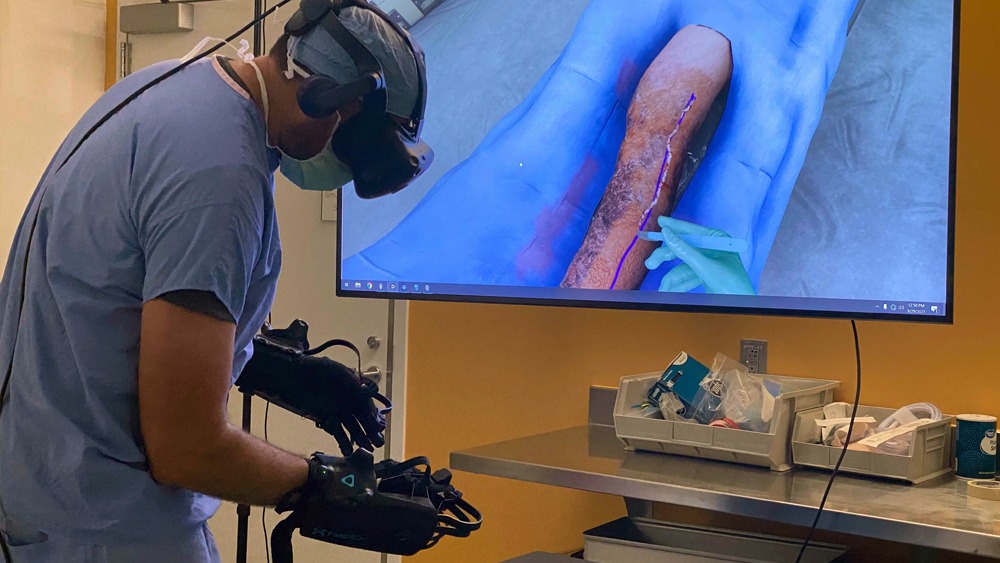
 Medical · R&DVITALS-HT (Advanced Haptics SBIR)Haptics-enabled VR medical training with instructor-led teleteaching for the Defense Health Agency.View project »
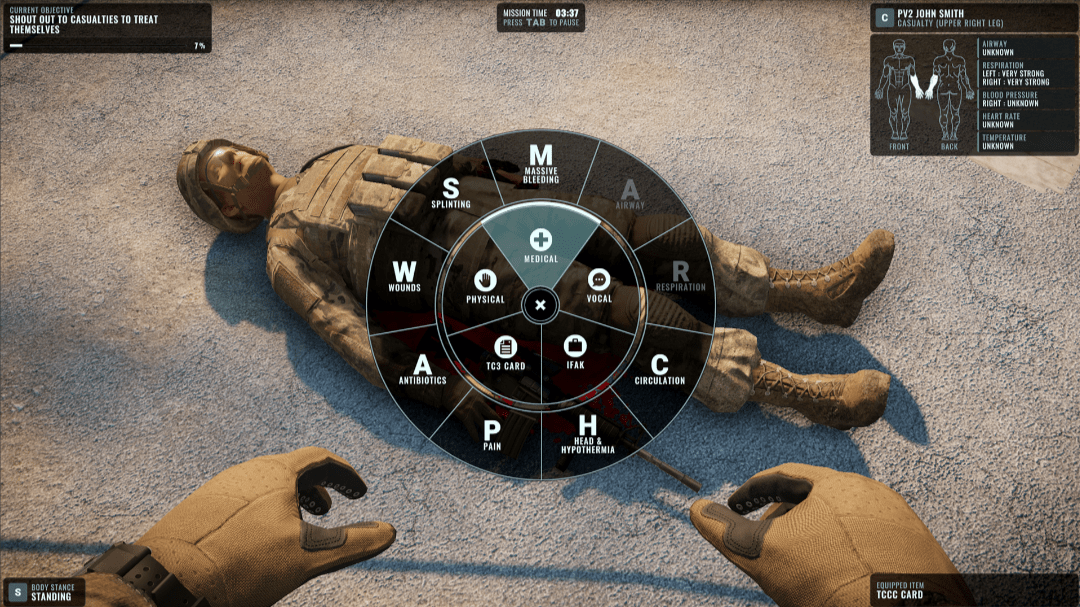 MedicalTactical Combat Casualty Care Simulation (TC3Sim)Serious game for military trauma medical training, now on iOS and Android.View project »
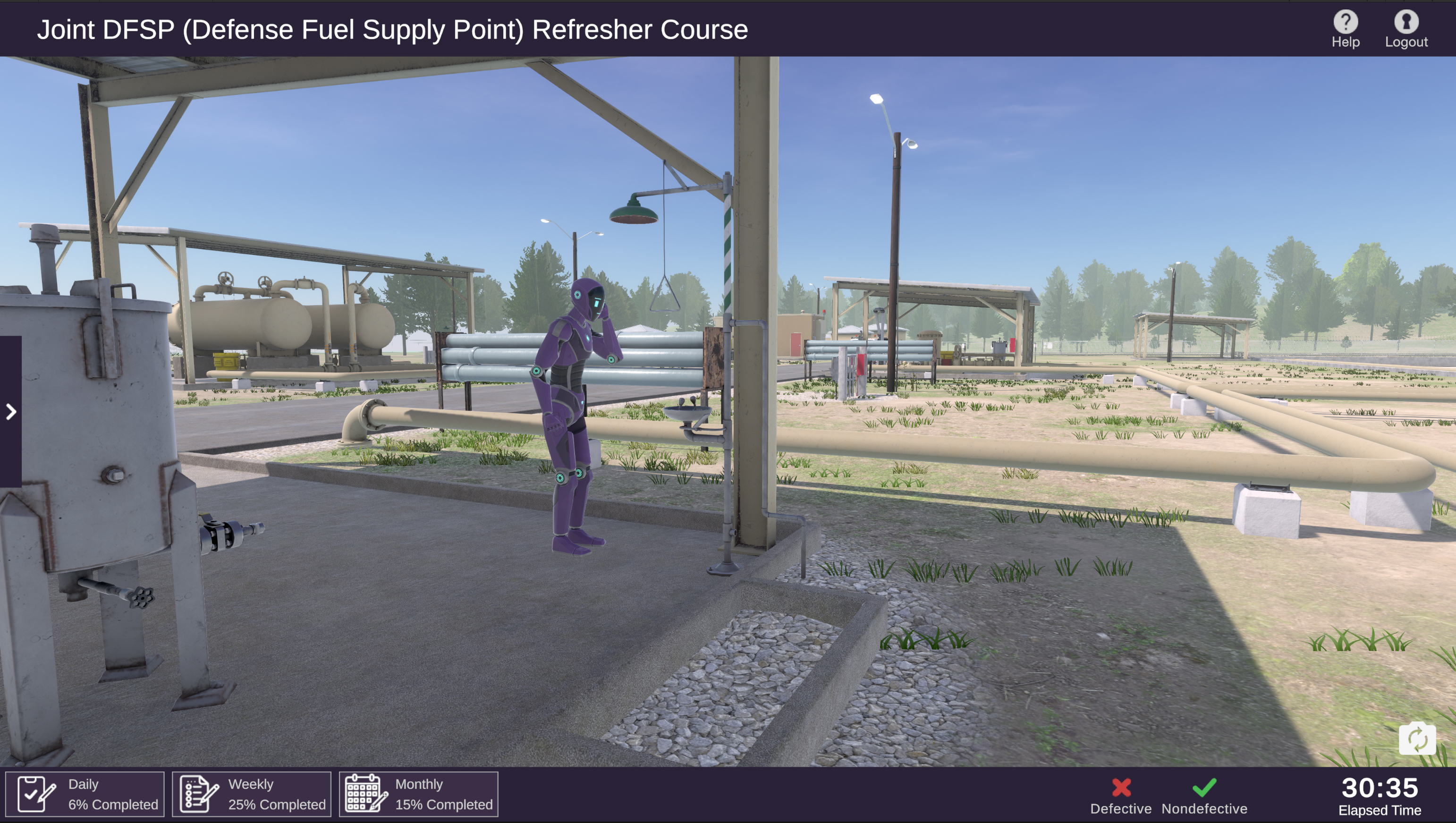 Logistics · CoursewareDefense Logistics Agency – Energy (DLA-E)Joint petroleum courseware, curriculum development and training.View project »
No success stories in this area yet. See the past performance list below.
// Past Performance
Proven Track Record.
- Apache Helicopter Logistics Analysis (Project Manager Apache)
- Augmented Reality Medical Training Prototype (AR MTP)
- Choosing Wisely
- Clinical Skills
- Combined Arms Command and Control Trainer Upgrade System (CACCTUS)
- Crash Cart Countdown
- Cross Cultural Competence Trainer (3CT)
- CSX Management Trainer
- Emergency Management & Crisis Preparedness Training
- Enterprise Training Services Contract (ETSC)
- Goals of Care Conversations
- Haptics-Enhanced AR Training System for Care Under Fire
- Hospital Administrative Response Trainer (HART)
- Jabil Manufacturing Prototype
- Lifeboat Project – ACT!
- Medical Modeling and Simulation Training (MMAST)
- Military Working Dog (MWD) Virtual Reality Casualty Care
- Modular Medical Environment (MME)
- NATO Maritime Interdiction Operations (MIO)
- NATO VOHQ Virtual Operations Headquarters
- Navy Medical Modeling and Simulation Training (NMMAST) Program
- Physiology Abstraction Model (PAM)
- Professional Education Center-ISR (PEC-ISR)
- Risk Assessment Trainer
- Ship On Land Virtual Environment (SOLVE)
- SIMILE
- Tactical Combat Casualty Care Simulation (TC3Sim) Modernization
- Tele-ICU
- Traffic Safety Challenge
- TraumaCon
- U.S. Air Force Air University Squadron Officers School (SOS)
- U.S. Air Force Profession of Arms Center of Excellence (PACE) Course
- Veterans Affairs Virtual Medical Center (VA-VMC)
- Virtual Empathy Soft-Skills Trainer (VESST)
- Virtual High School
- Virtual Medical Simulation (vMedic)
- Virtual Oil Platform
- Virtual Reservoir
- Virtual Staff Trainer
- Weatherford Tubular Visualization
Featured · U.S. Army · Constructive Simulations
One Semi-Automated Forces (OneSAF)
Through the Army’s One Semi-Automated Forces (OneSAF) program, ECS-Riptide JV provides a unified, computer-generated platform that supports training, analysis, experimentation, and operational planning across all Army modeling and simulation communities. OneSAF currently serves more than 200 users across U.S. and allied installations. Its open-source architecture operates within the Live, Virtual, Constructive Integrating Architecture (LVCIA) and supports Next Generation Constructive (NGC) modernization efforts, enabling realistic and adaptable training environments for commanders and their staffs.
- Support for six critical modeling and simulation domains: Acquisition, Analysis, Experimentation, Intelligence, Training, and Test & Evaluation
- Unified, open-source simulation platform replacing multiple legacy tools
- Approximately 30 new capabilities integrated annually to maintain operational relevance
- Flexible architecture enabling customization for diverse mission requirements
- Integrated within LVCIA and supports Next Generation Constructive (NGC) training modernization
- Trusted expertise through ECS and Riptide collaboration on OneSAF as ECS-Riptide Joint Venture
01 / 04
Featured · U.S. Army · Global Services
Warfighter Training Readiness Solutions (W-TRS)
Global Training Support: Delivering Readiness Through Innovation and Reliability
Engineering & Computer Simulations, Inc. (ECS) proudly supports Vertex Aerospace, LLC, a V2X Company, under the Warfighter Training Readiness Solutions (W-TRS) program awarded by the U.S. Army Portfolio Acquisition Executive for Command and Control and Counter Command and Control (PAE C2/CC2). Through this partnership, ECS provides highly skilled technical labor and full-spectrum sponsorship and life support services that ensure mission-ready operations in some of the most complex environments worldwide.
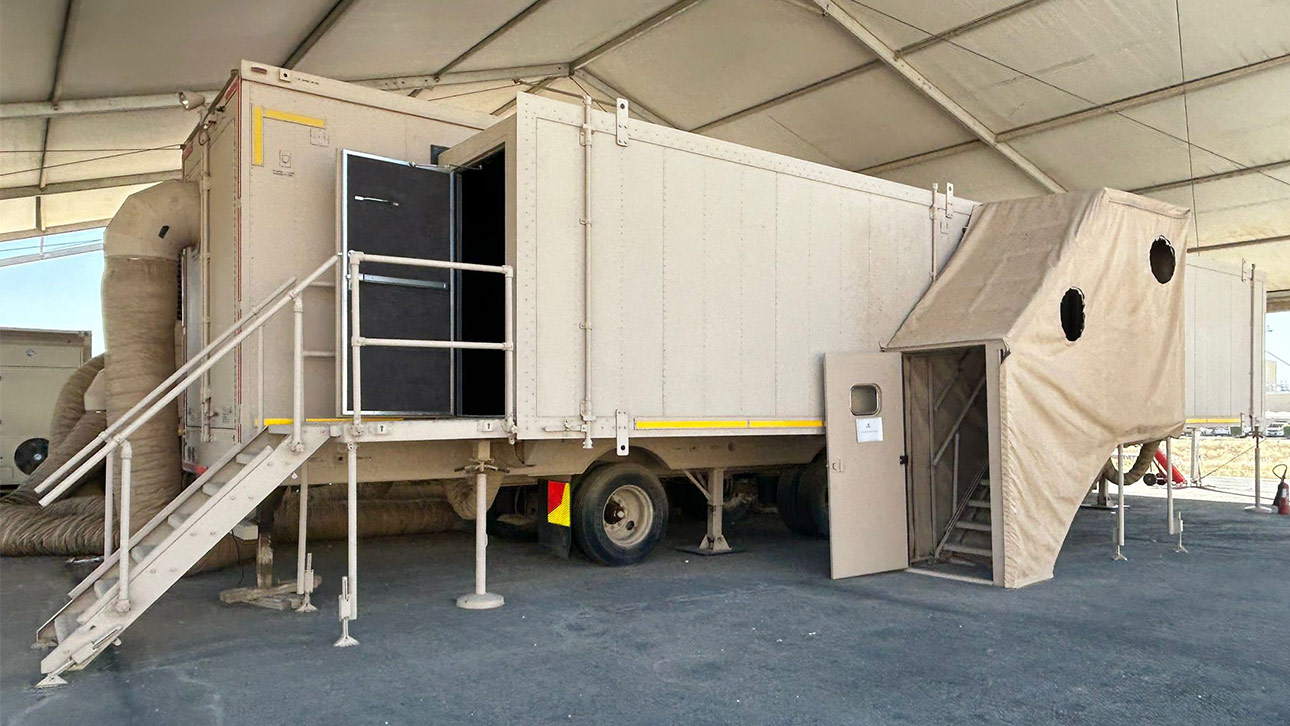
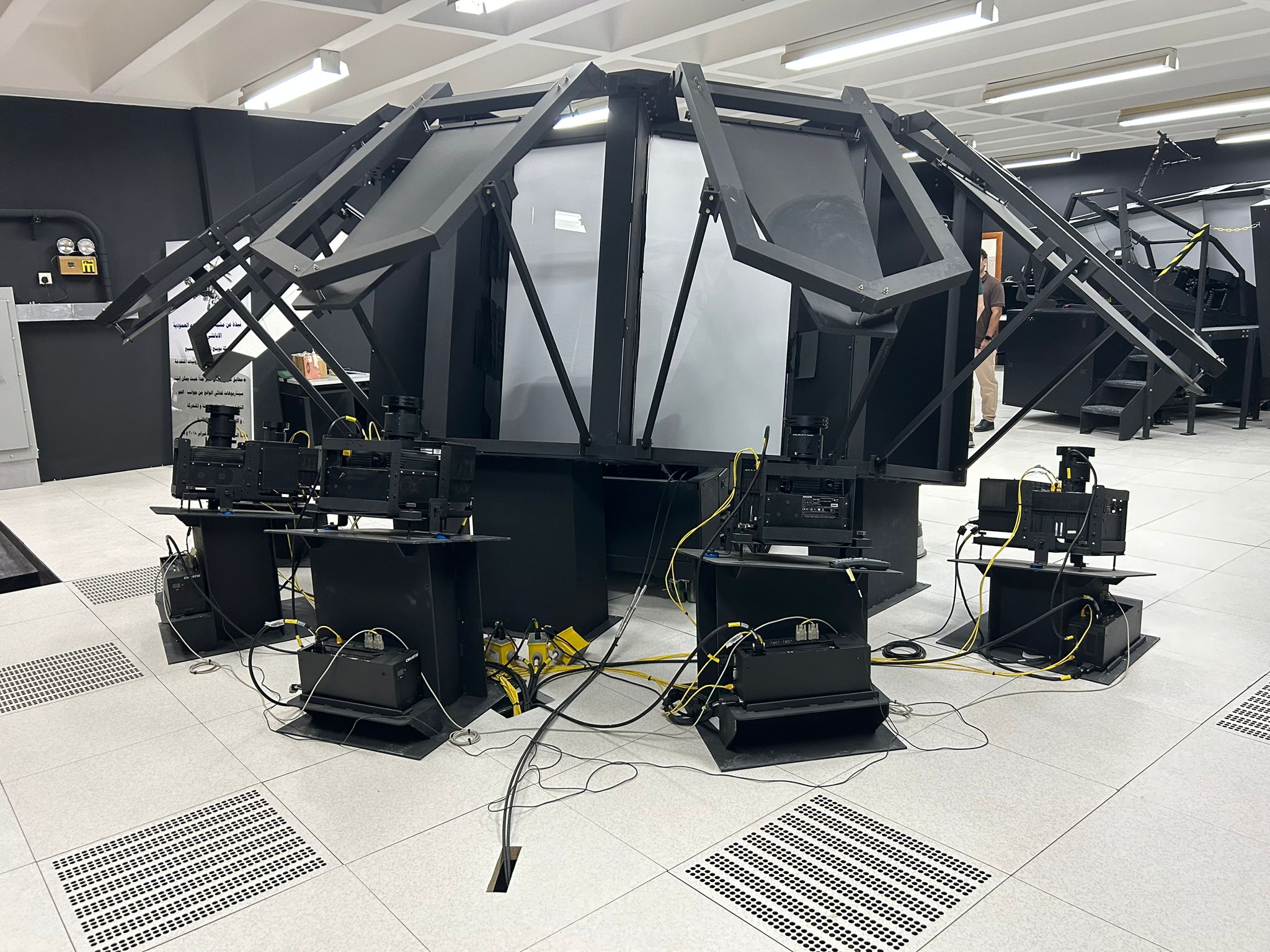
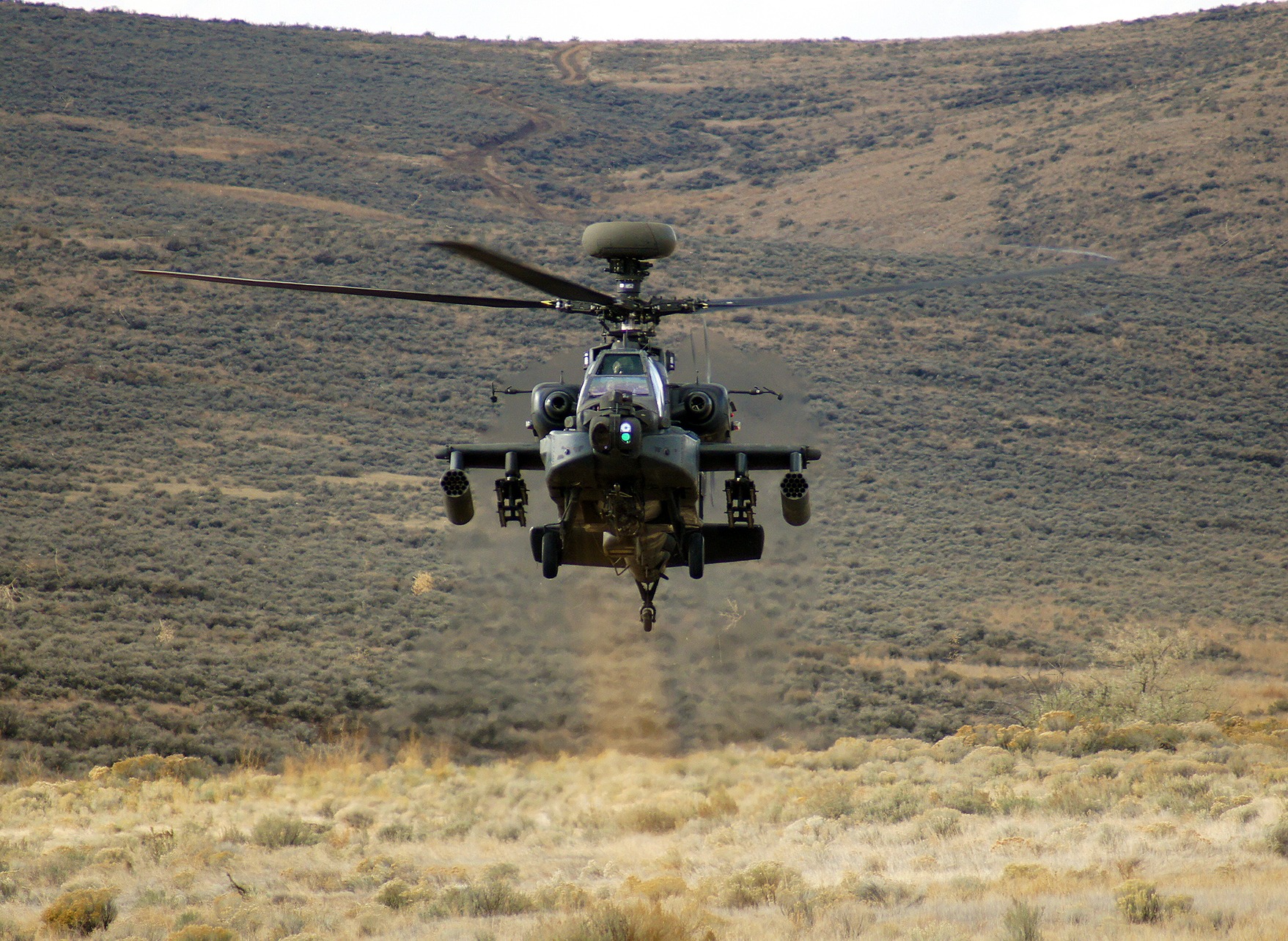
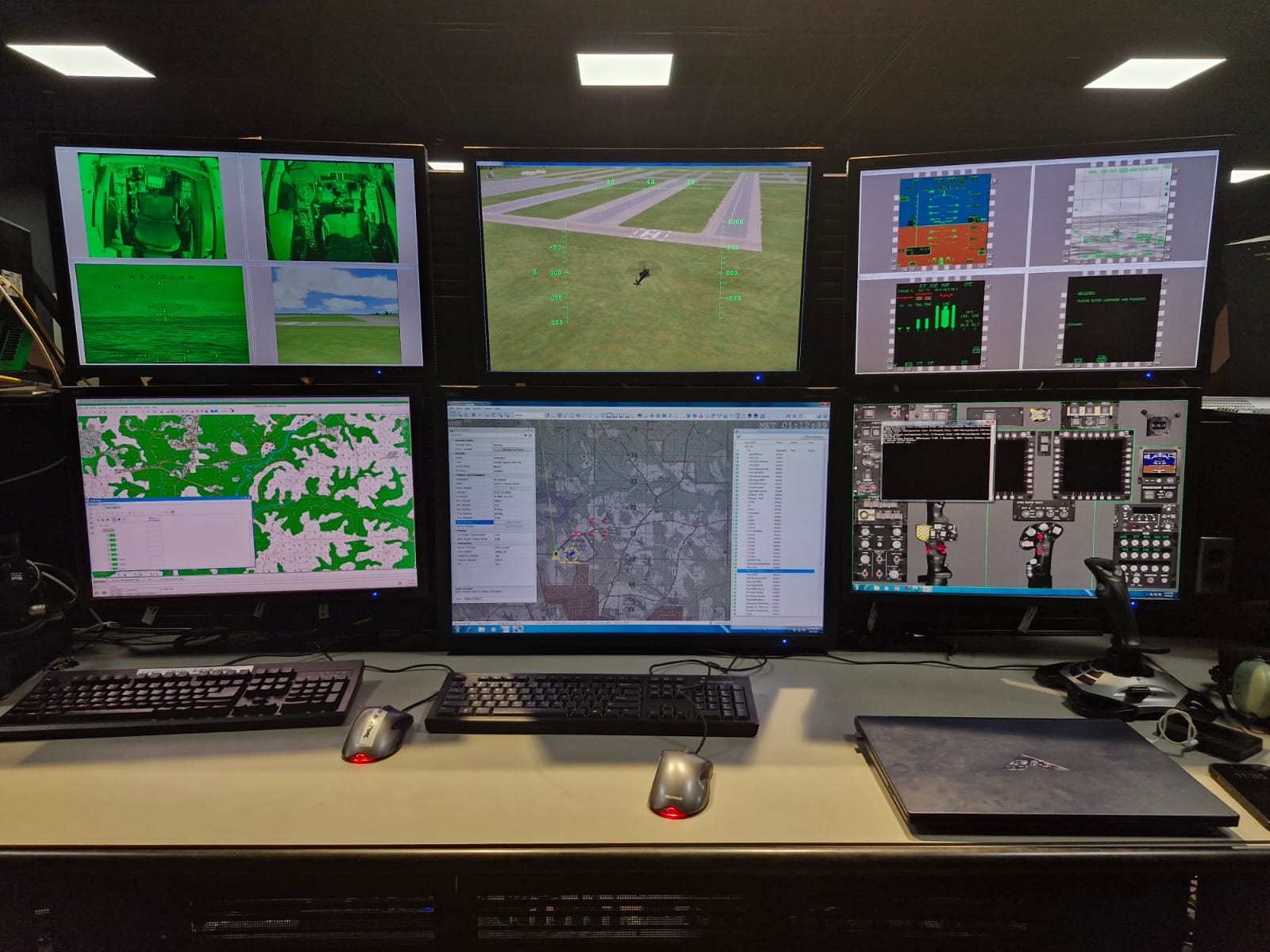
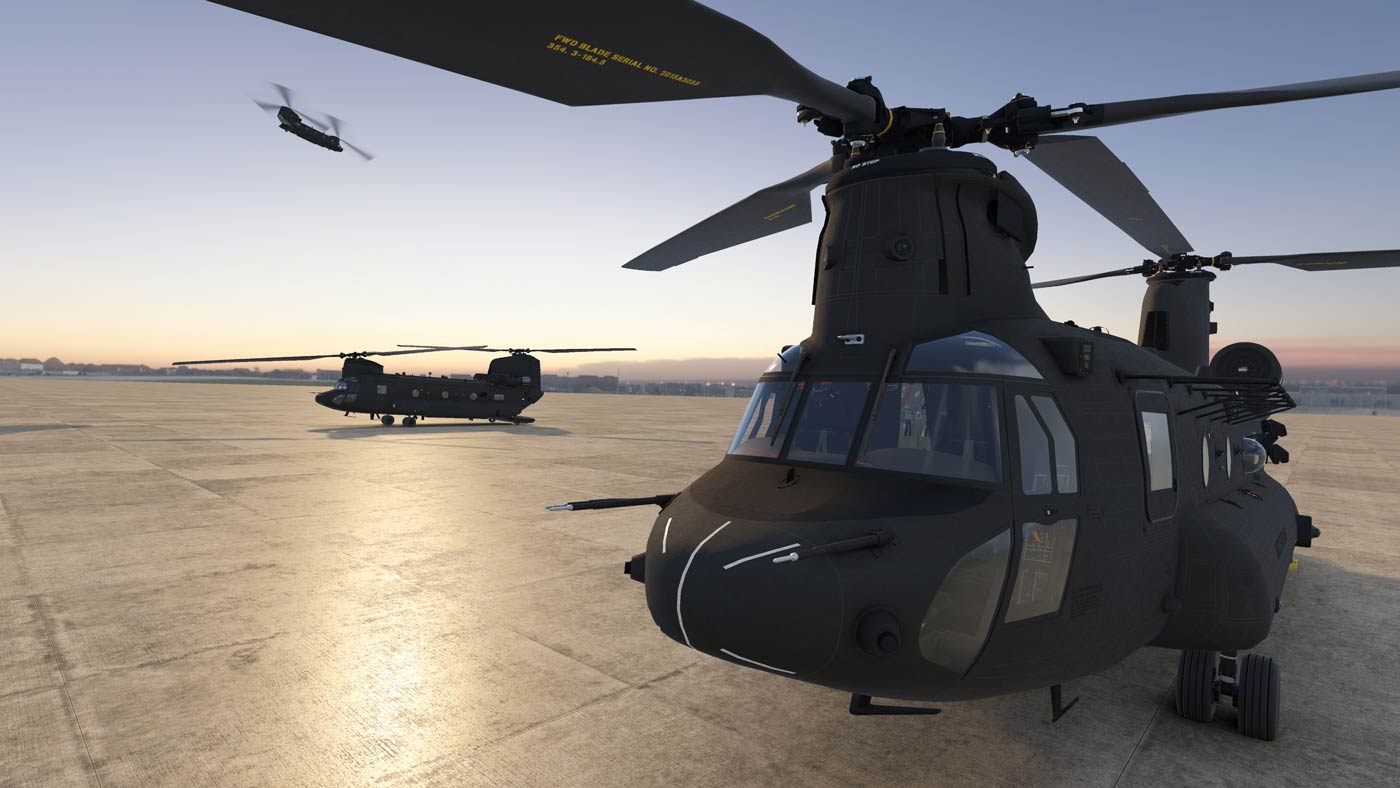
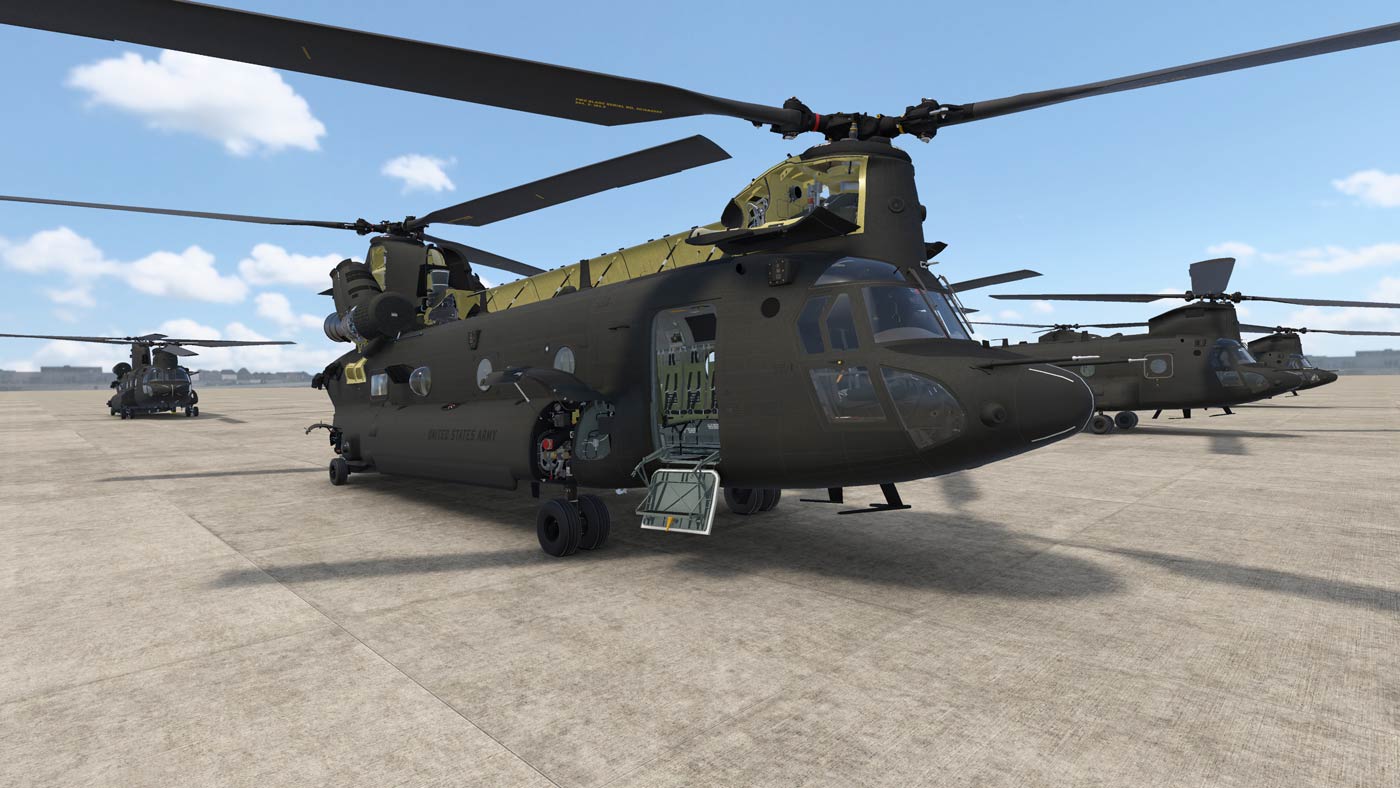
ECS deploys expert Instructor Operators (I/Os) and Maintenance Technicians to sustain, maintain and operate advanced simulation systems, including the Longbow Crew Trainer (LCT) for the Apache helicopter and the Transportable Flight Proficiency Simulator (TFPS) for the Chinook helicopter. Our teams deliver precision training, maintenance and technical excellence that enhance readiness and operational effectiveness across multiple global theaters in support of U.S. Army Foreign Military Sales (FMS) programs.
This performance-based partnership supports V2X and PAE C2/CC2 in maintaining and operating Training Aids, Devices, Simulators and Simulations (TADSS), managing property, and providing logistics transactional support. Our footprint spans the Kingdom of Saudi Arabia, the United Arab Emirates and Indonesia, with expansion underway to additional international locations.
As a trusted partner to V2X and PAE C2/CC2, ECS delivers reliable, in-country support that strengthens defense partnerships and enhances global Warfighter readiness.
01 / 03
Featured · U.S. Army · PEO Aviation
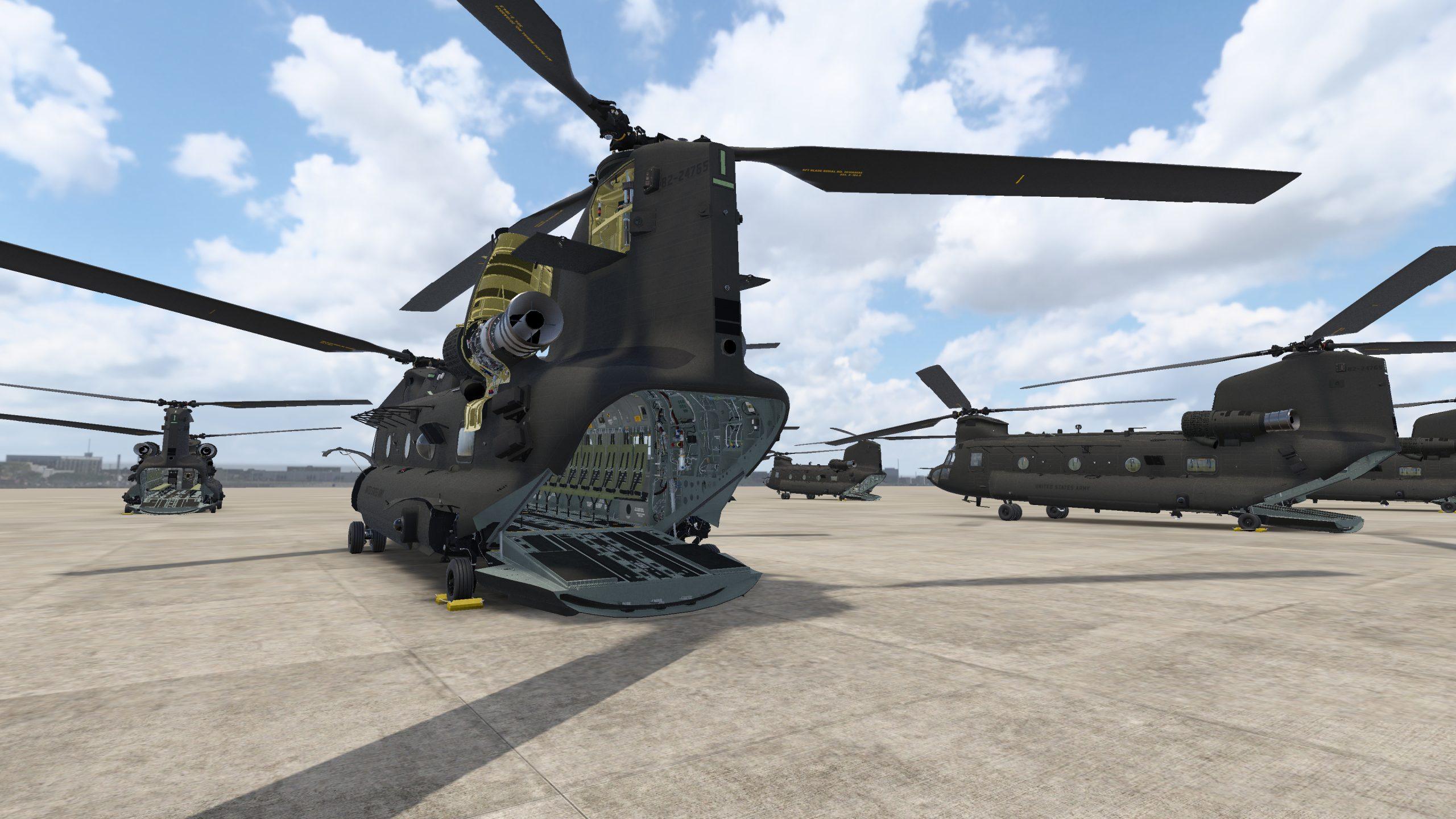
CH-47F Block II Cargo Helicopter Immersive Aviation Training Suite
PEO Aviation
Our dedicated team of Subject Matter Experts, Instructional Systems Designers and Software Developers supports the U.S. Army Program Executive Office Aviation, Project Manager Cargo’s CH-47F Block II training program with immersive aviation training. ECS is tasked with the mission to provide the Soldier with comprehensive and engaging technical training that promotes job proficiency of Operators and Maintainers and increases mission success. ECS uses the ADDIE process to maximize training effectiveness and minimize unit mission disruptions to arrive at the best value solution for PM Cargo while providing optimal performance, the lowest cost of ownership, and the maximum return on investment.
To accomplish this, ECS purposely designed a software suite of customized immersive aviation training that is adaptive, to encourage critical thinking and target individual learners’ levels of learning and learning styles. The evolving software suite consists of Computer Based Training, Preflight Instructor Tool, and Cockpit Desktop Trainer.
Key Features
- First-person perspective
- High-fidelity 3D immersive environment
- 39 interactive courses delivered (39 TLOs, 93 LSAs)
- Computer-Based Training for Rated Crewmember, Non-Rated Crewmember, 15F, 15U, 15N, 15D
- Developed 3D Interactive Preflight Instructor Tool
- Cockpit Desktop Trainer, developed in partnership with SAIC: features current CH-47F and CH-47F Block II avionics software (CAAS), with desktop and touch-panel control interface
- Multi-platform delivery on Windows standalone, WebGL and mobile
01 / 06
Featured · U.S. Air Force
U.S. Air Force Expeditionary Operations School (EOS) Training Programs
Enhancing Logistics Training with Technology and Innovation
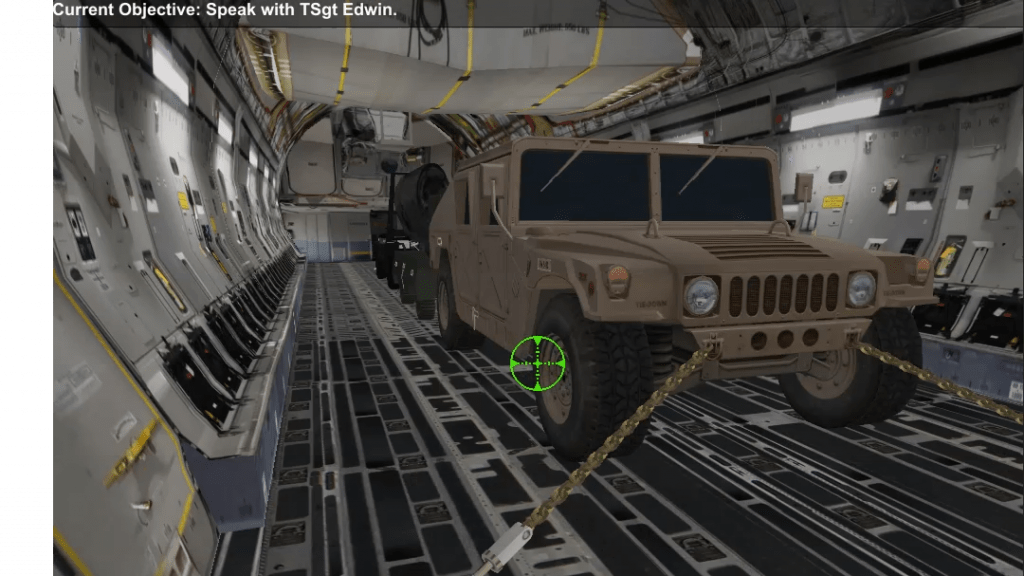
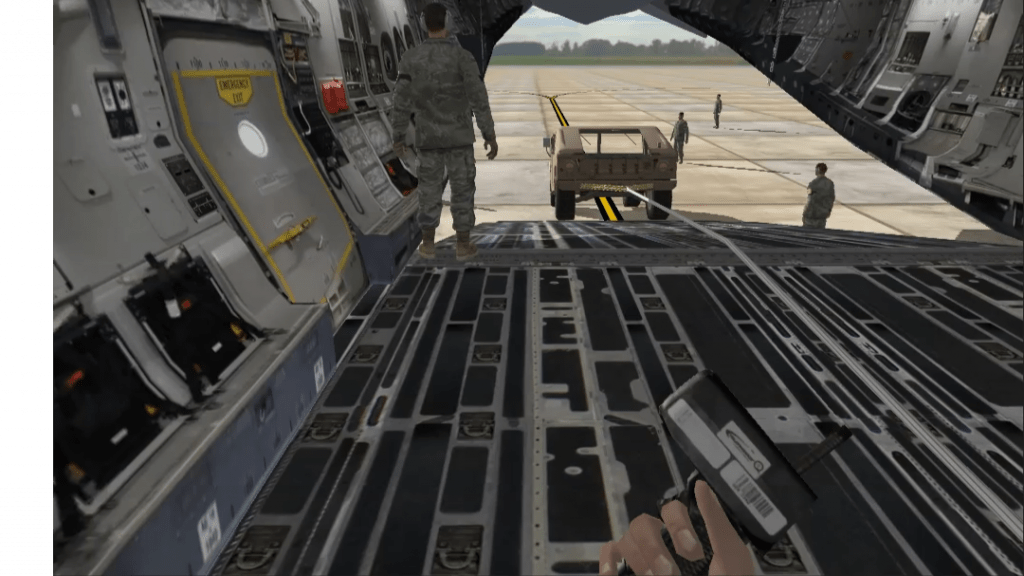
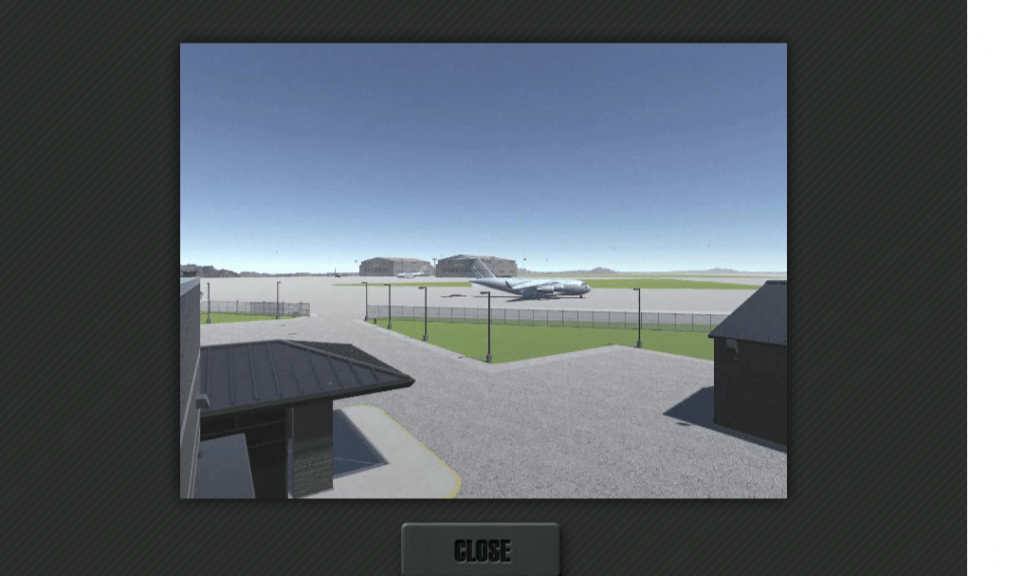
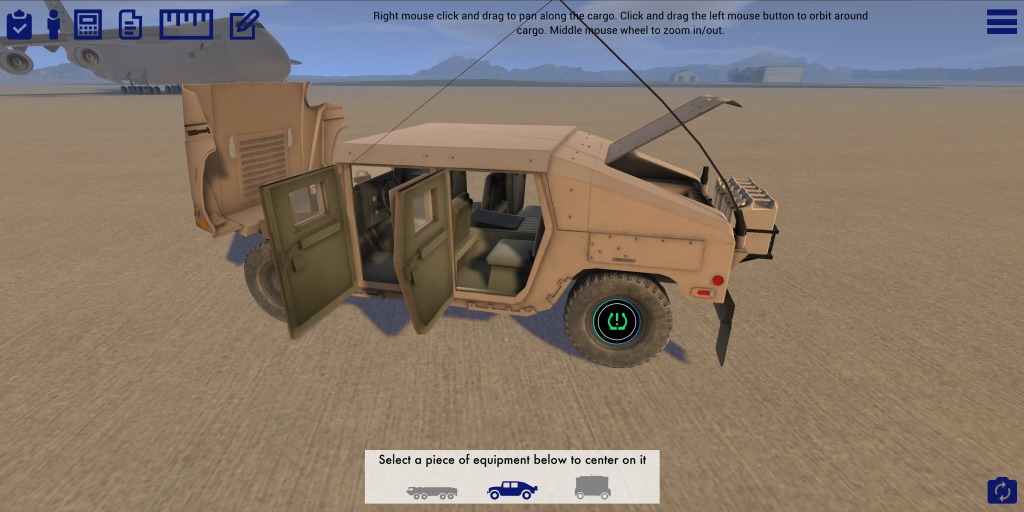
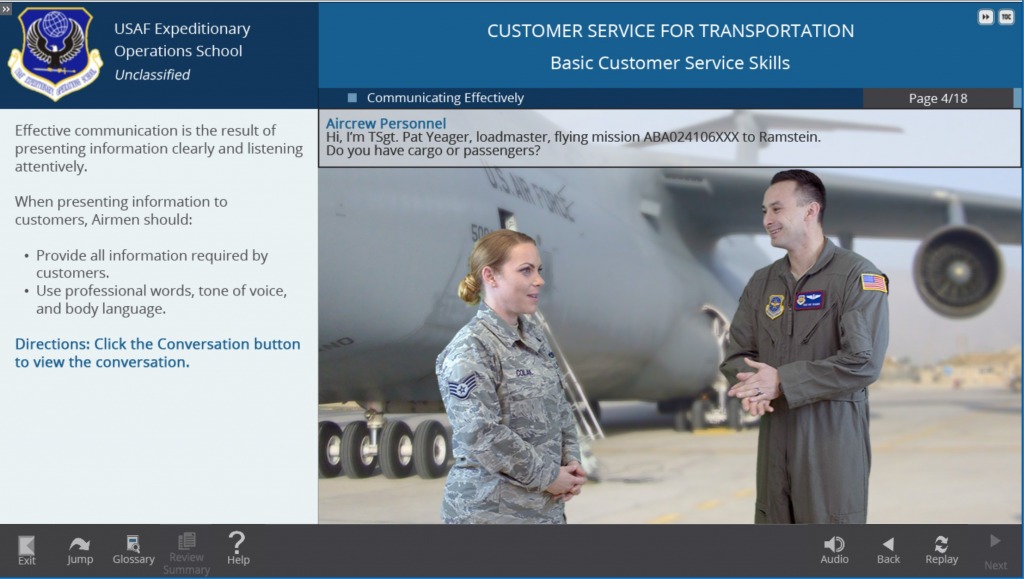
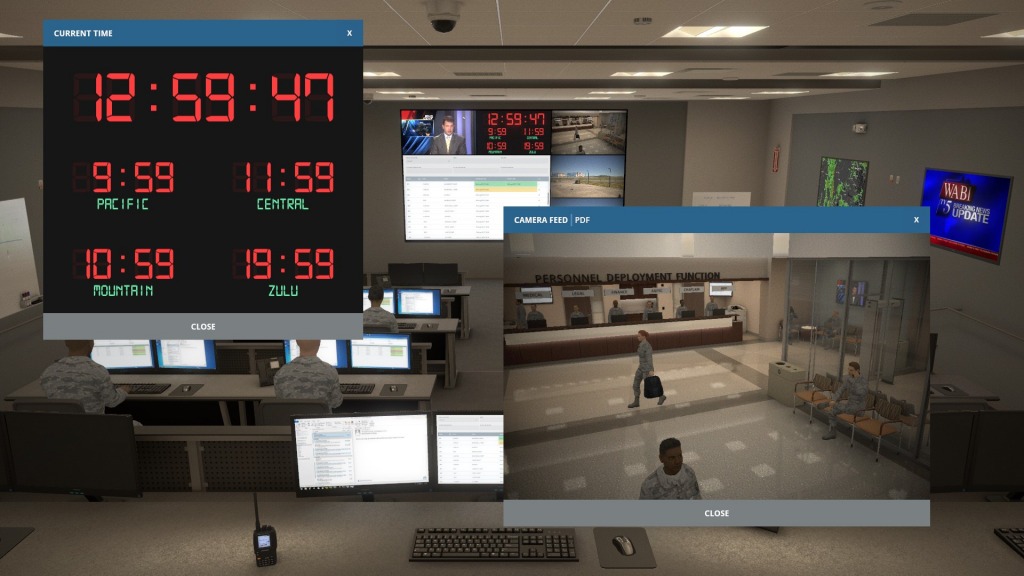
ECS is supporting the U.S. Air Force (USAF) by modernizing and advancing the use of innovation and emerging educational technologies for its training programs at the Expeditionary Operations School (EOS) at JB McGuire-Dix-Lakehurst. By utilizing the latest technology to develop animated models of aviation equipment and logistics environments that mirror real-world operations in an academic environment, Airmen can safely prepare for in-garrison and deployment operations in the full range of expeditionary operations, including deployment planning, logistics readiness, air transportation, maintenance, and command and control.
ECS maintains, upgrades and improves capabilities through constant communication with the EOS.
Key Features
- Applications, courseware and simulation that directly support the Air Force’s combat support mission
- The latest technology and equipment integrated into the simulators
- Full range of expeditionary operations: deployment planning, logistics readiness, air transportation and maintenance
- Improved capabilities through constant communication
Specific Projects
- Aerial Port Expeditor
- Installation Deployment Officer
- Air Mobility Command & Control
- Pallet Build-Up
- Air Terminal Operations Center
- Passenger Service
- Unit Deployment Manager
- Customer Service course
- Center-of-Balance application
- Cargo Restraint applications
01 / 06
Current · Medical · R&D
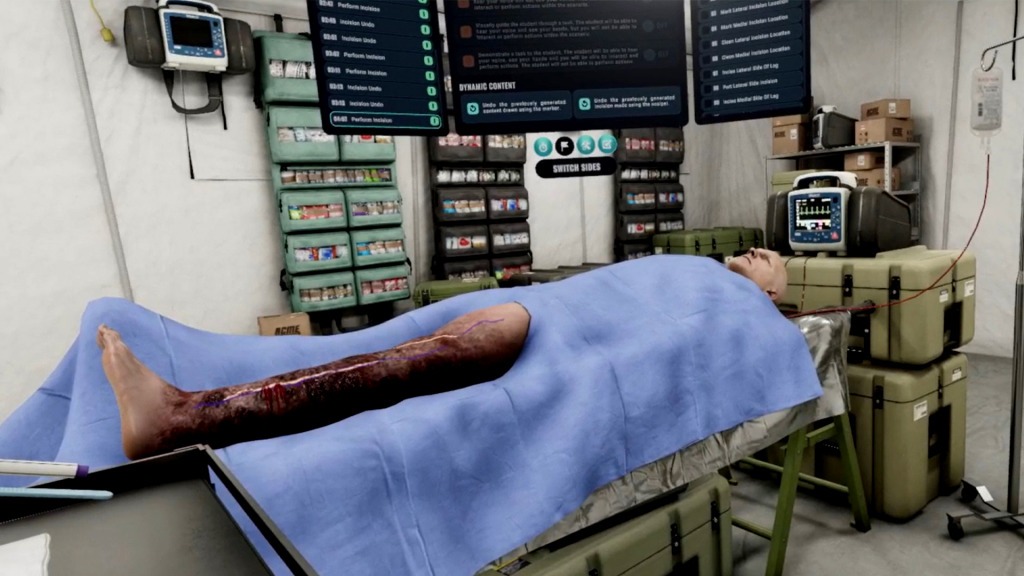
Virtual Interactive Trauma Assessment & Learning Simulation – Haptics Teleteaching (VITALS-HT)
2026 FinalistSerious Games Showcase & ChallengeAdvanced Haptics for Medical Training · Defense Health Agency SBIR
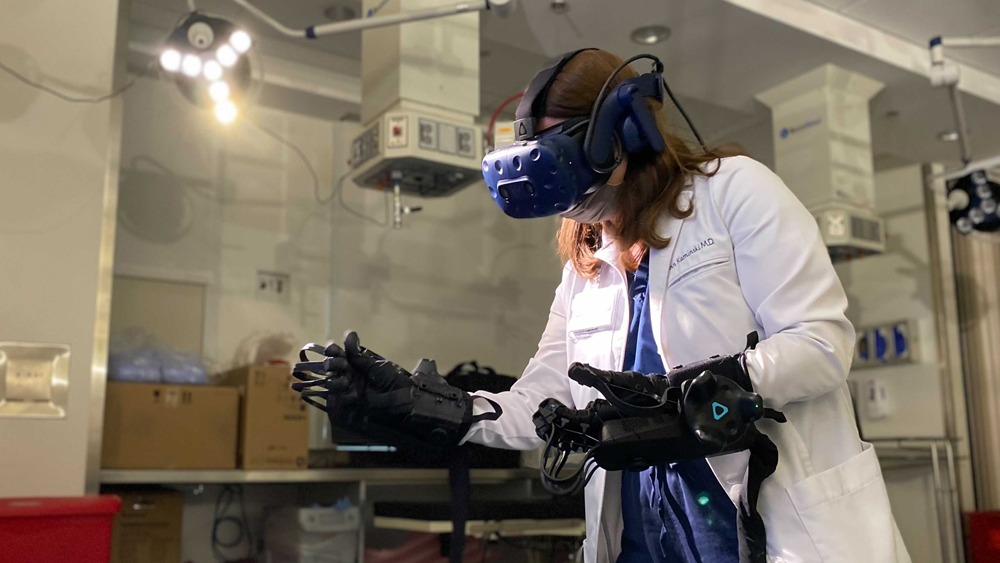
Originally launched through a Defense Health Agency SBIR effort focused on Advanced Haptics for Medical Training, VITALS-HT has progressed through multiple phases of research, development, and transition, including Direct-to-Phase II, Phase II Enhancement, Phase III, and the current Sequential Phase II effort. This sustained investment has enabled the evolution of a prototype concept into a comprehensive, next-generation medical training platform.
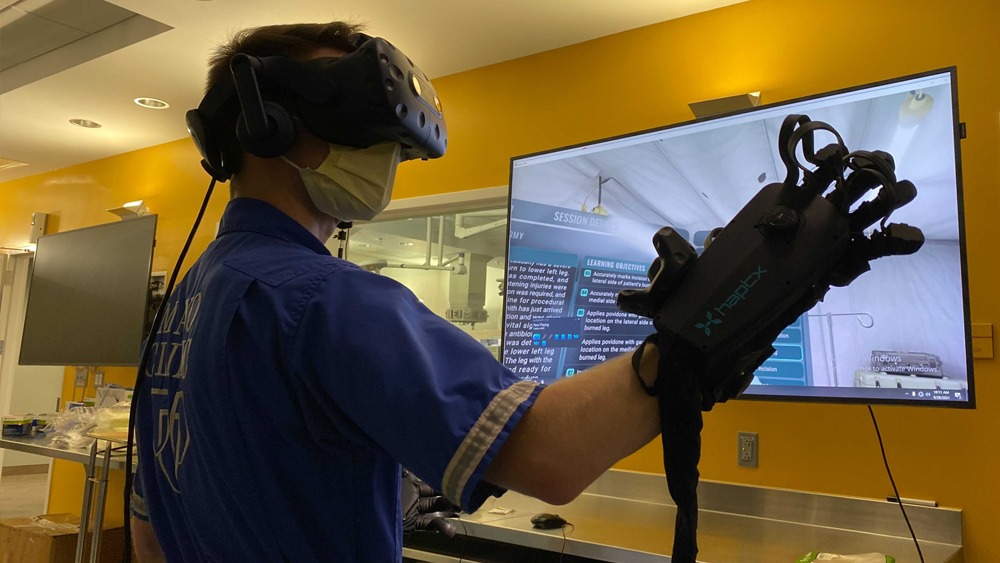
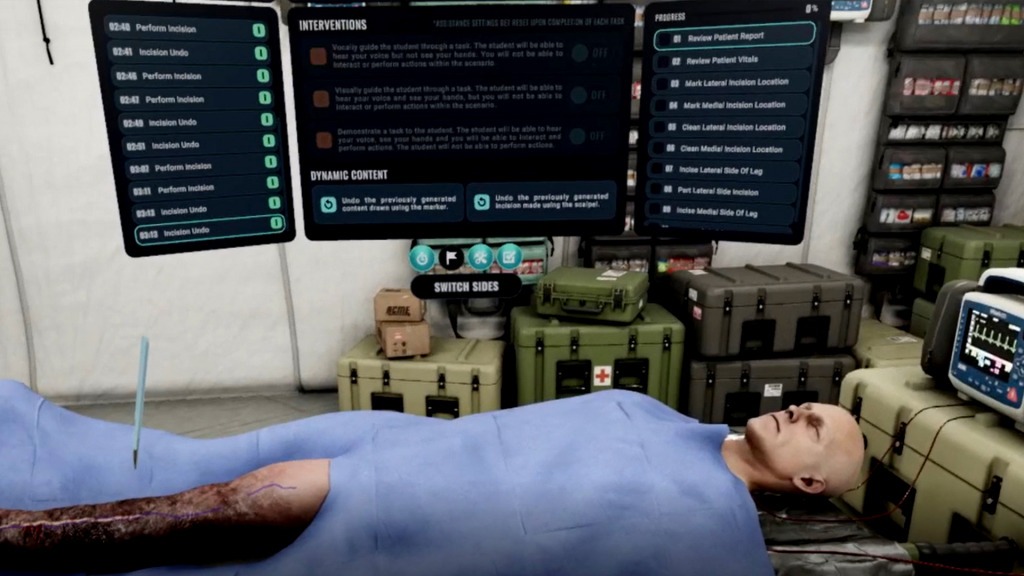
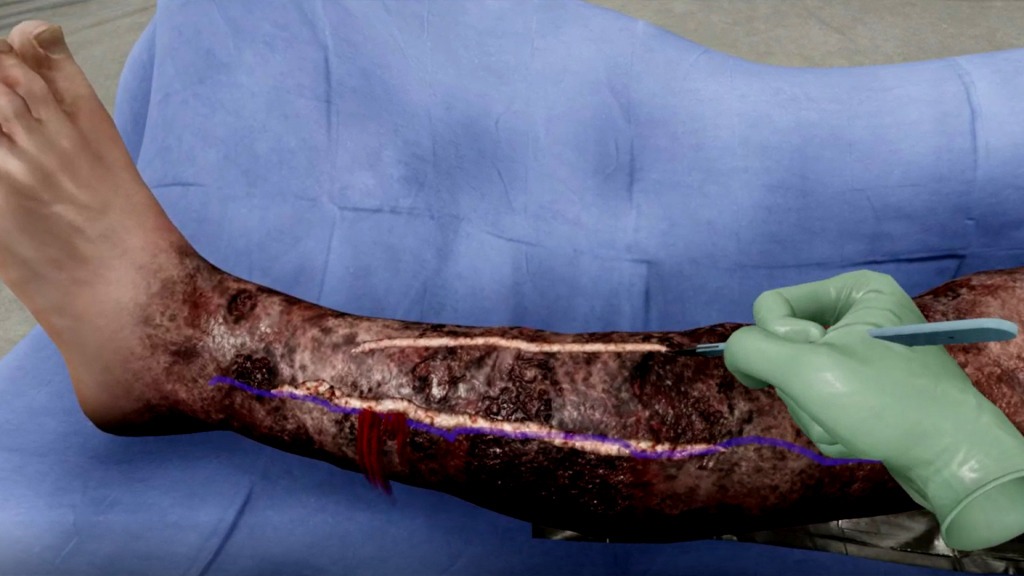
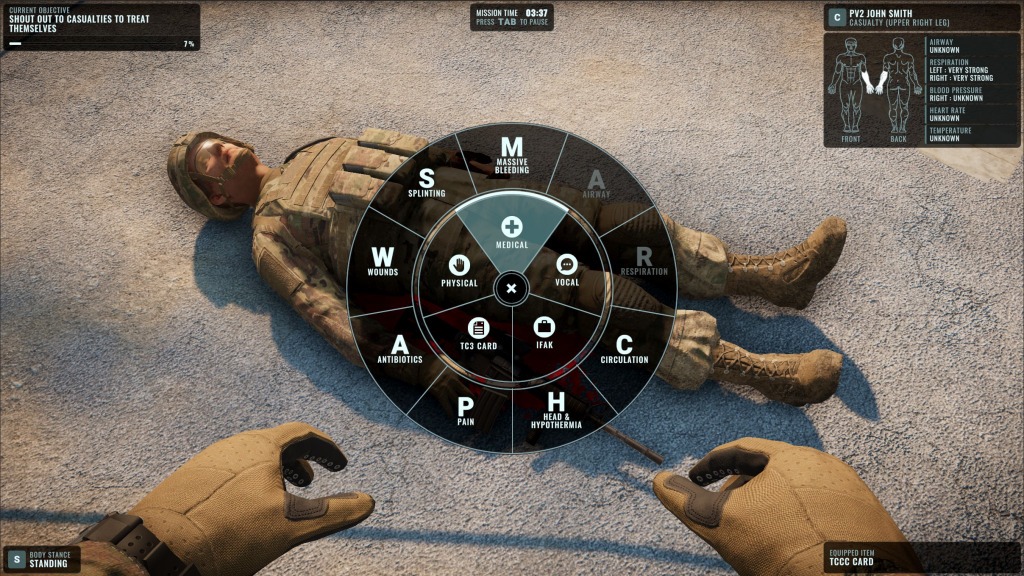
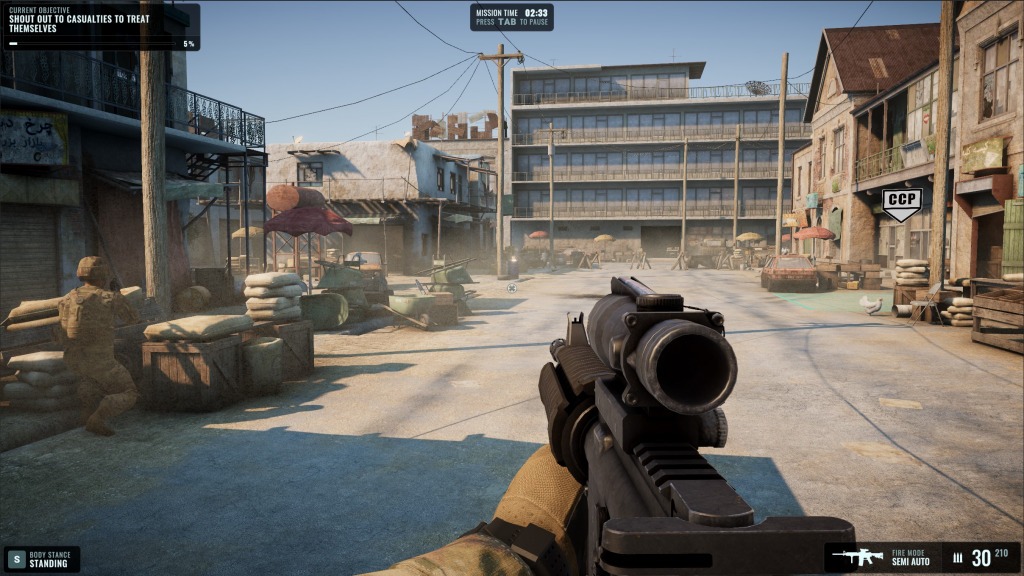
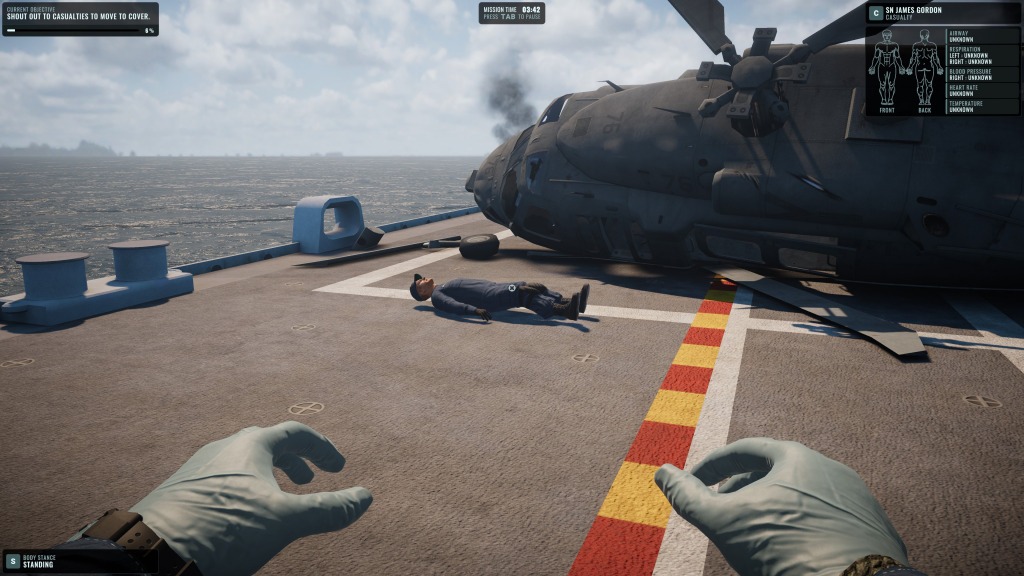
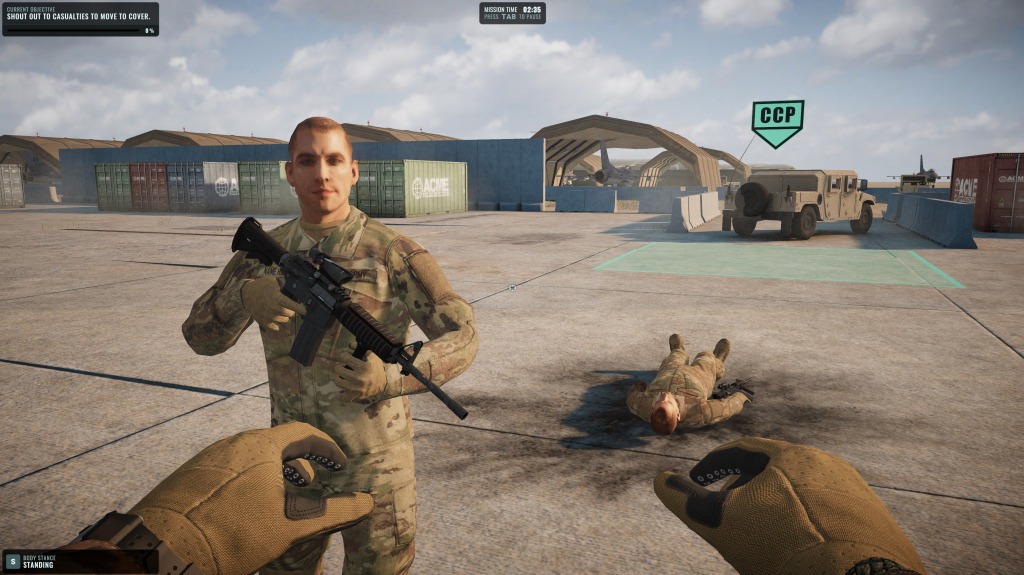
VITALS-HT combines immersive virtual reality, advanced haptic technology, and instructor-led teleteaching to deliver highly realistic medical training for military, emergency response, and clinical learners. The platform features a growing library of trauma and clinical care scenarios that allow users to practice critical hands-on skills in a safe, repeatable, and scalable environment.
Built in collaboration with government, industry, and medical partners, VITALS-HT supports both individual skill development and collaborative training through real-time performance assessment, instructor dashboards, and shared virtual learning environments. From battlefield care and trauma interventions to clinical procedures and patient assessment, the system is advancing how complex medical skills are taught, measured, and sustained.
VITALS-HT is developed in collaboration with Mayo Clinic Jacksonville and HaptX.
Program Progression
- Direct-to-Phase II
- Phase II Enhancement
- Phase III
- Sequential Phase II (current)
Key Capabilities
- Advanced haptics-enabled VR medical training
- Trauma, clinical, and point-of-injury care scenarios
- Real-time instructor-led teleteaching
- Automated performance measurement and after-action review
- Multiplayer and collaborative training environments
- Scalable architecture supporting future training content expansion
01 / 06
Current · Medical
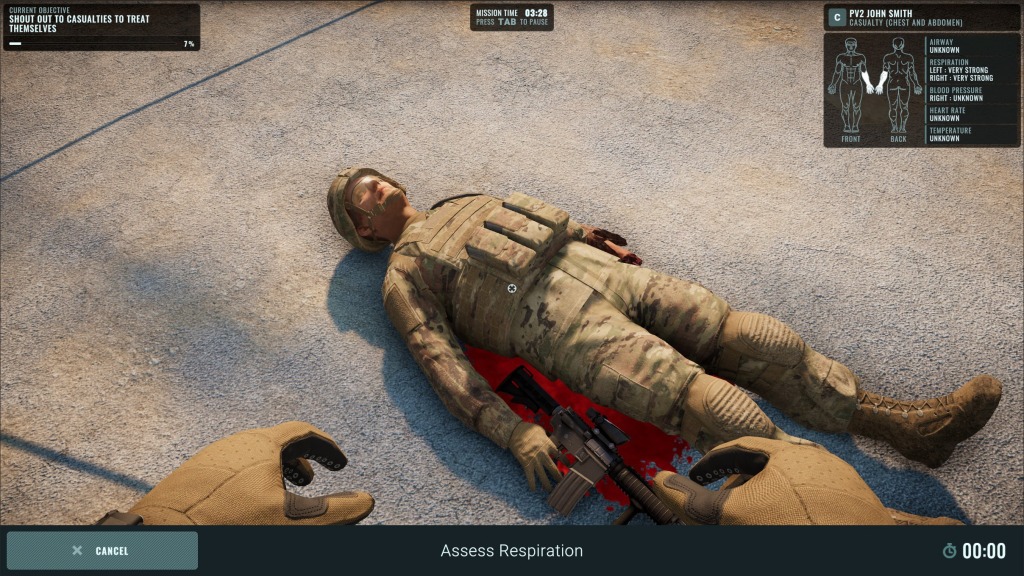
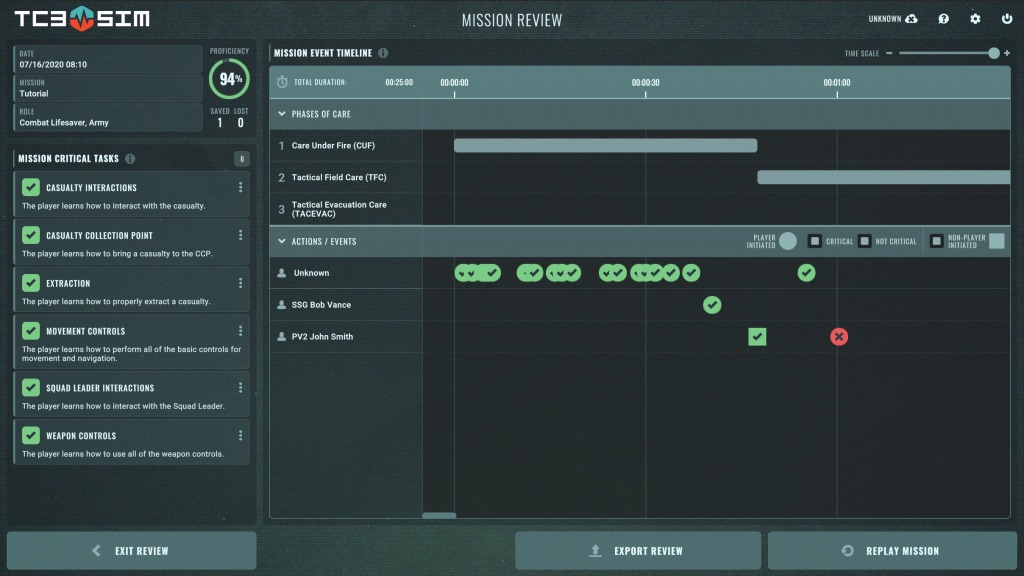
Tactical Combat Casualty Care Simulation (TC3Sim)
Transforming Combat Medic Training through Immersive Technology
A recognized leader in military medical training, ECS has been developing the U.S. Army’s Tactical Combat Casualty Care Simulation (TC3Sim) for over 16 years, continually investing in new and developing technologies. TC3Sim is a cognitive skills trainer for trauma medicine focused on the three preventable causes of death on the battlefield. Its primary users are military personnel, first responders, combat medics and combat lifesavers. ECS has delivered the updated cross-platform 2020 version of the application to support the existing training curriculum within the Army. In 2020, TC3Sim transitioned to the U.S. Army’s simulation and training acquisition office, now PAE C2/CC2.
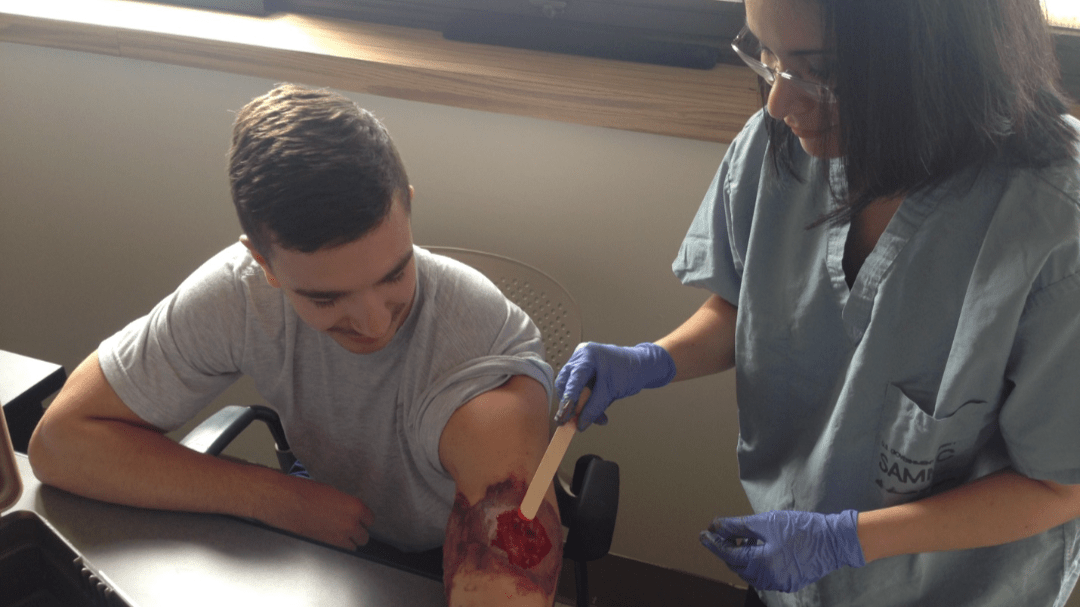
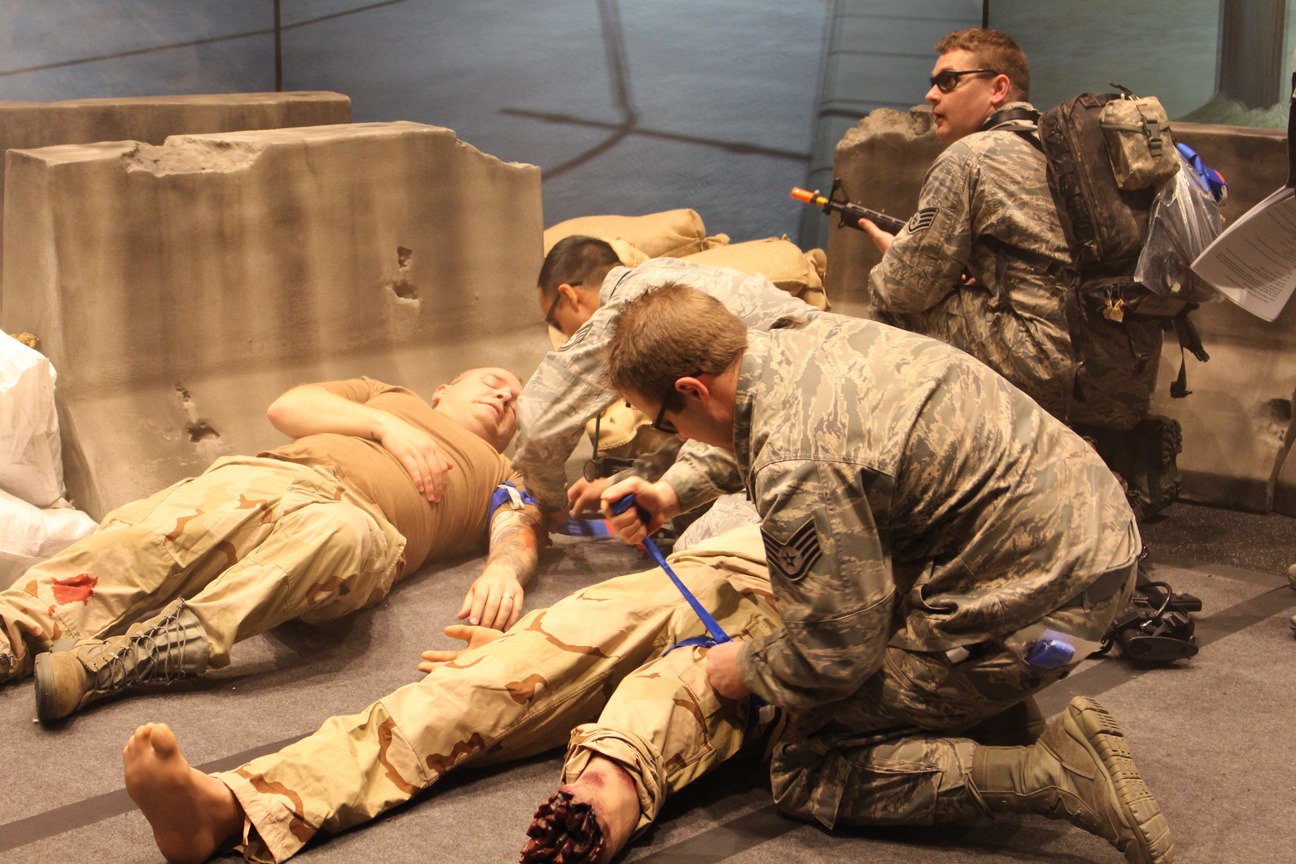
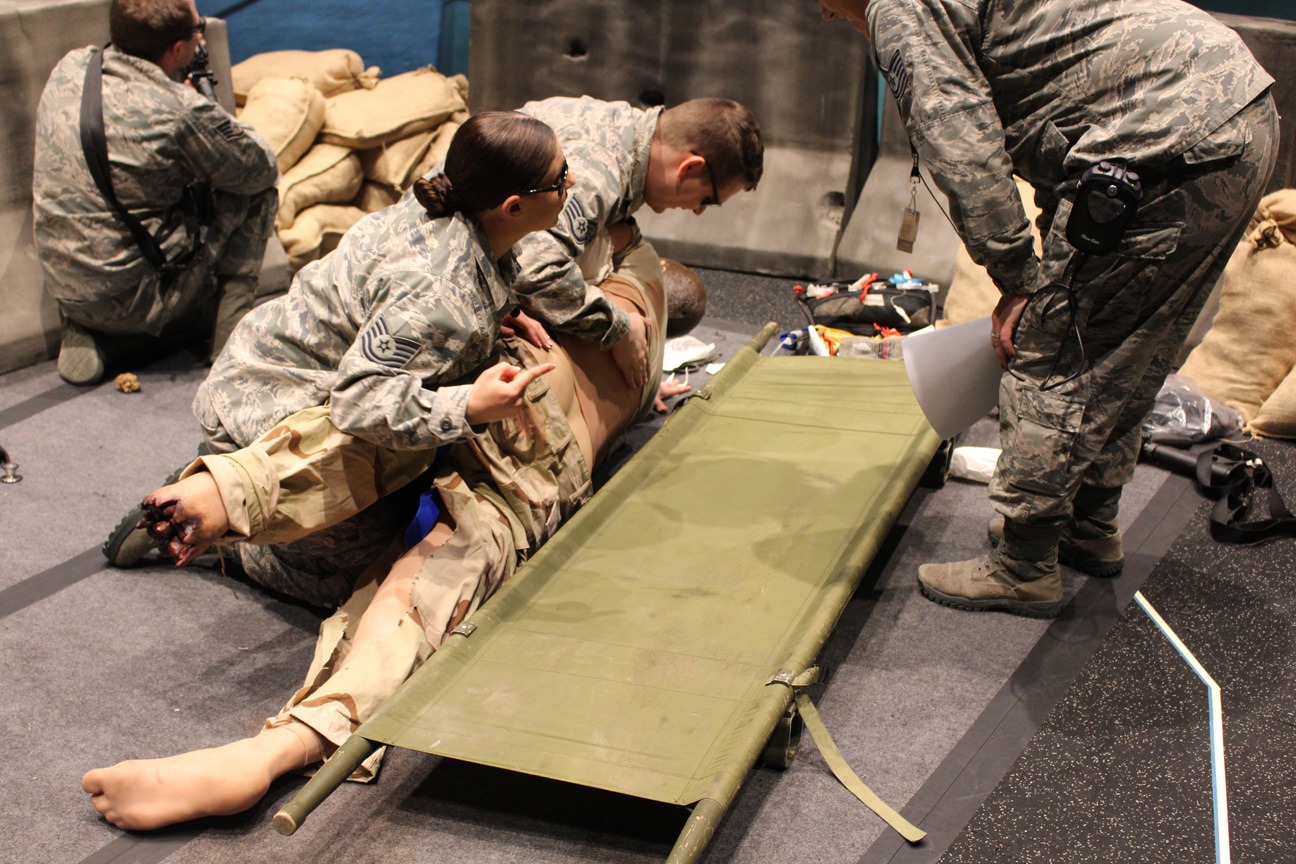
The updated TC3Sim system architecture and content is continually leveraged to advance innovation through ongoing research at ECS. This research focuses on integrating virtual reality (VR) and extended reality (XR) platforms with groundbreaking haptic technologies that enable realistic touch, force feedback and precise motion tracking.
TC3Sim and the related research demonstrate how Warfighters can use immersive training to further enhance their training experience and learning opportunities. The goal of this transformational use of serious games, XR and haptics technology is not only to improve the quality and retention of training, but to save more lives on the battlefield.
Improvements and New Features
- Extended gameplay to include Care Under Fire (CUF), Tactical Field Care (TFC) and Secondary Assessment
- Updated timeline-based After-Action Review (AAR) system for critical measures and detailed remediation
- Seamless multi-platform experience across desktop, web browsers and mobile tablets
- Multi-service scenarios and content for the Army, USMC, Navy and Air Force
- User profiles for saving and loading progress, completion and proficiency
Visit TC3Sim.com to register and download from the mobile app stores (a .mil email address is required to register).
01 / 04
Current · Logistics
Defense Logistics Agency – Energy (DLA-E)
Integrating Expertise with Learning Science to Deliver Logistics Training
ECS is supporting the Defense Logistics Agency – Energy (DLA-E) by providing Subject Matter Experts (SMEs) and instructional design expertise to support the analysis, design, development, implementation and evaluation of several key DLA-E initiatives related to skilling and upskilling supply chain employees.
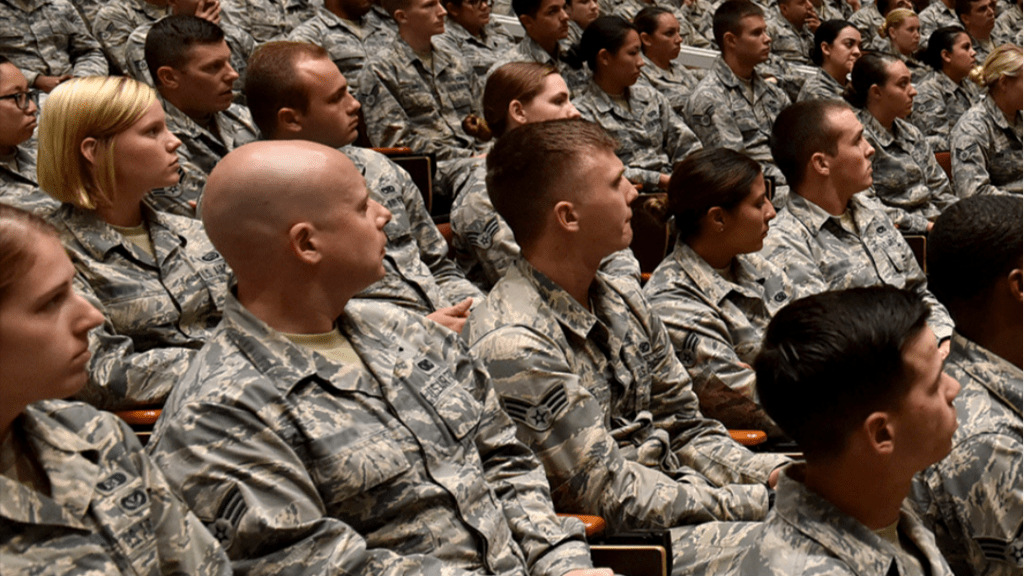
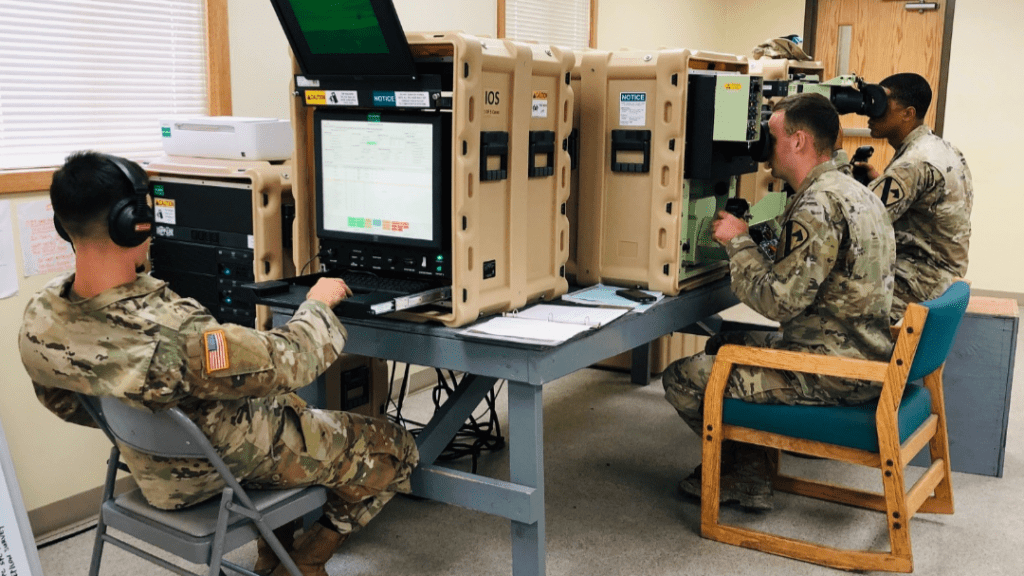
Our Instructional Science team worked closely with experienced SMEs to design, develop and deliver the in-residence Joint Petroleum Course (JPC) and to conduct a supply-chain training needs assessment. The team brings extensive experience in energy, fuels, logistics operations and policy, along with deep knowledge of instructional design, courseware development and learning science, which it applied to update and convert existing DLA courses and to develop new distance-learning courses that improve the quality and retention of training.
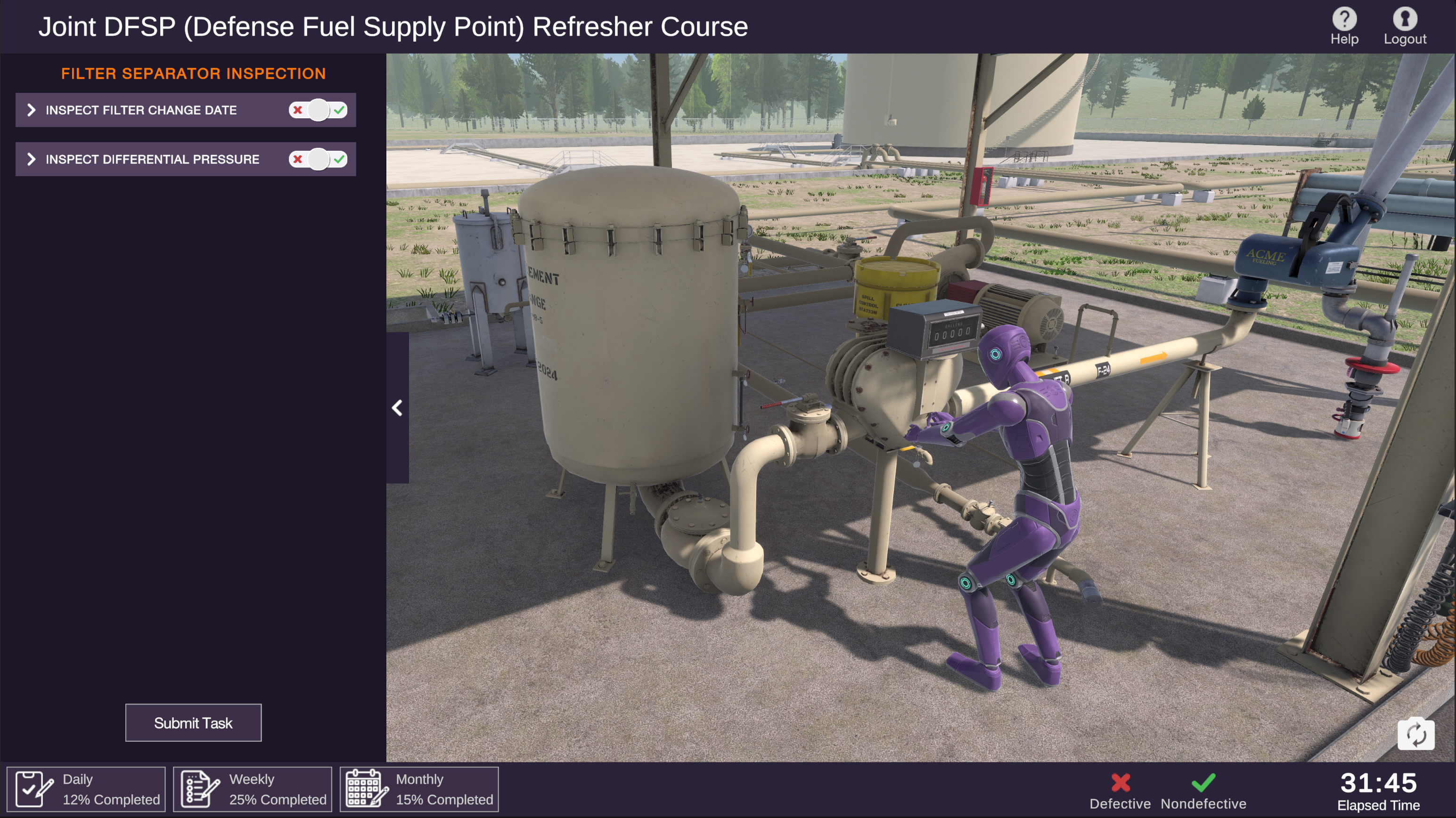
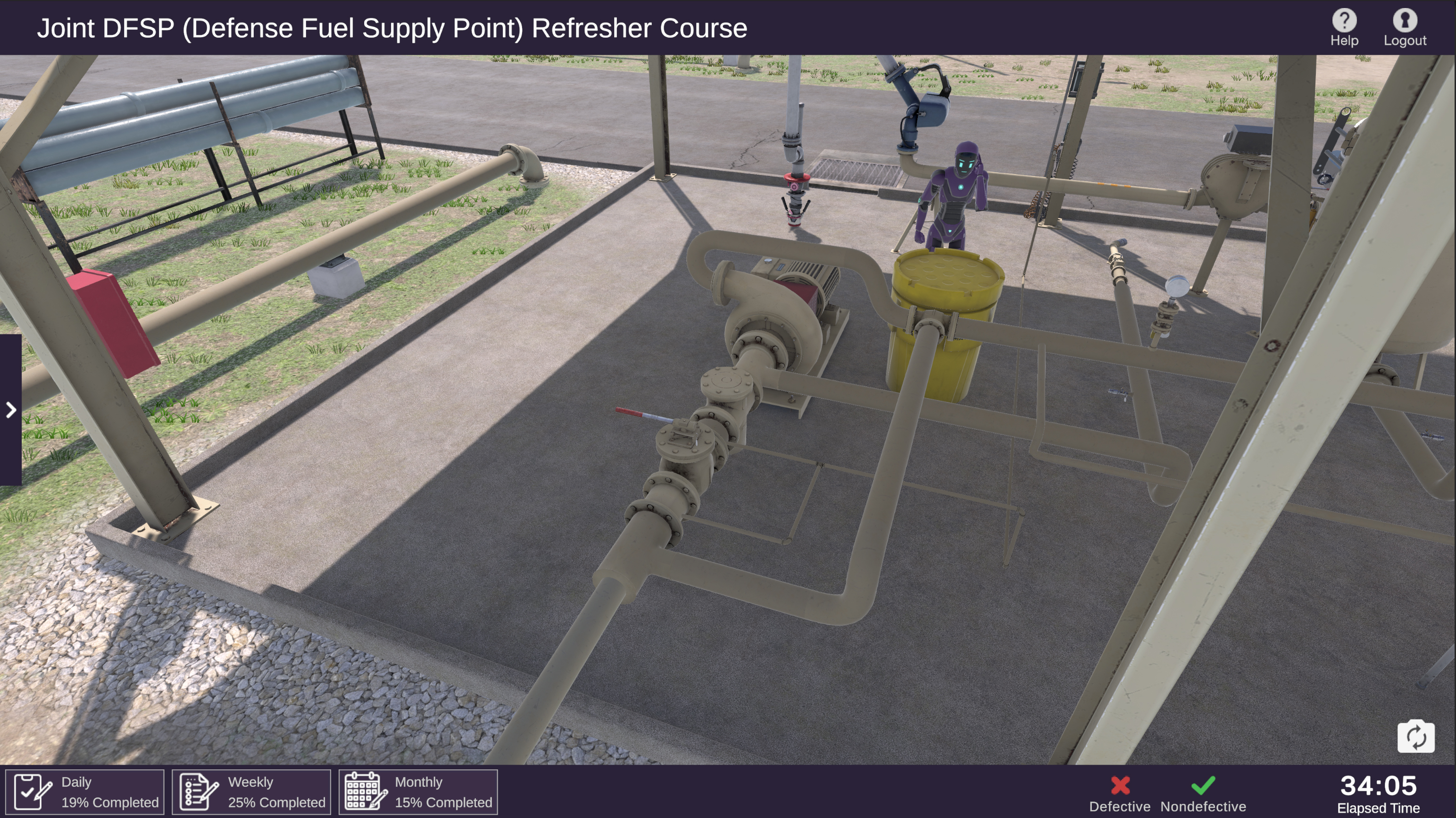
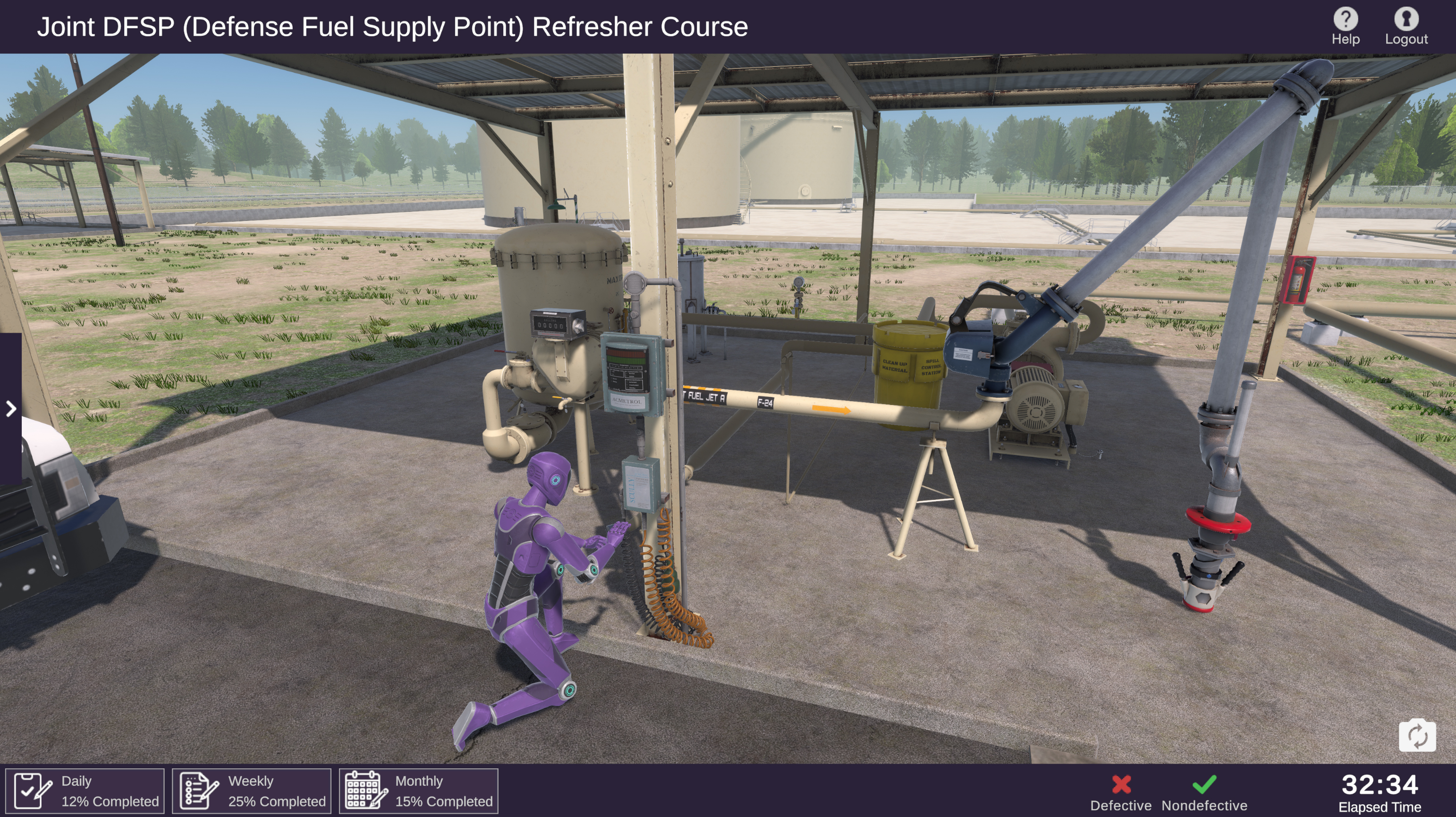
After delivery of the courses, the team was asked to deliver additional work during an option year that included two more courses. Using the full ADDIE (Analysis, Design, Development, Implementation and Evaluation) process, the team delivered a Joint Petroleum Advanced Planning Course and an immersive Bulk Petroleum Storage Operator’s Refresher Course simulation, both aimed at experienced bulk fuels professionals across the DoD.
Achievements & Expertise
- Supply-chain training assessment
- Joint Petroleum Advanced Planning Course
- In-residence Joint Petroleum Course
- Bulk Petroleum Storage Operator’s Refresher Course
01 / 03
Past performance · U.S. Army · Prime
Enterprise Training Services Contract (ETSC)
Providing Global Training and Services to Military Teams
As a Prime Contractor on the Enterprise Training Services Contract (ETSC), a multi-award indefinite delivery/indefinite quantity contract, our Global Services team managed six task orders. We provided a workforce of dedicated professionals supporting military and civilian personnel in contingency operations and training programs in Texas, Pennsylvania, Korea, Saudi Arabia, Indonesia, Kuwait, the United Arab Emirates, Morocco and Norway.
These Programs Included
- Foreign Military Sales (FMS) Aviation Simulation Instructor/Operator (I/O) Support
- Detainee Operations
- Defense Support to Civil Authorities
- Chemical, Biological, Radiological and Nuclear Response Enterprise (CBRN CRE)
- Joint Conflict and Tactical Simulation (JCATS)
- Senior Instructor Operator (SIO) Gunnery / Knowledge Wall Maintenance (KWM)
01 / 04
Past performance · Aviation · Courseware
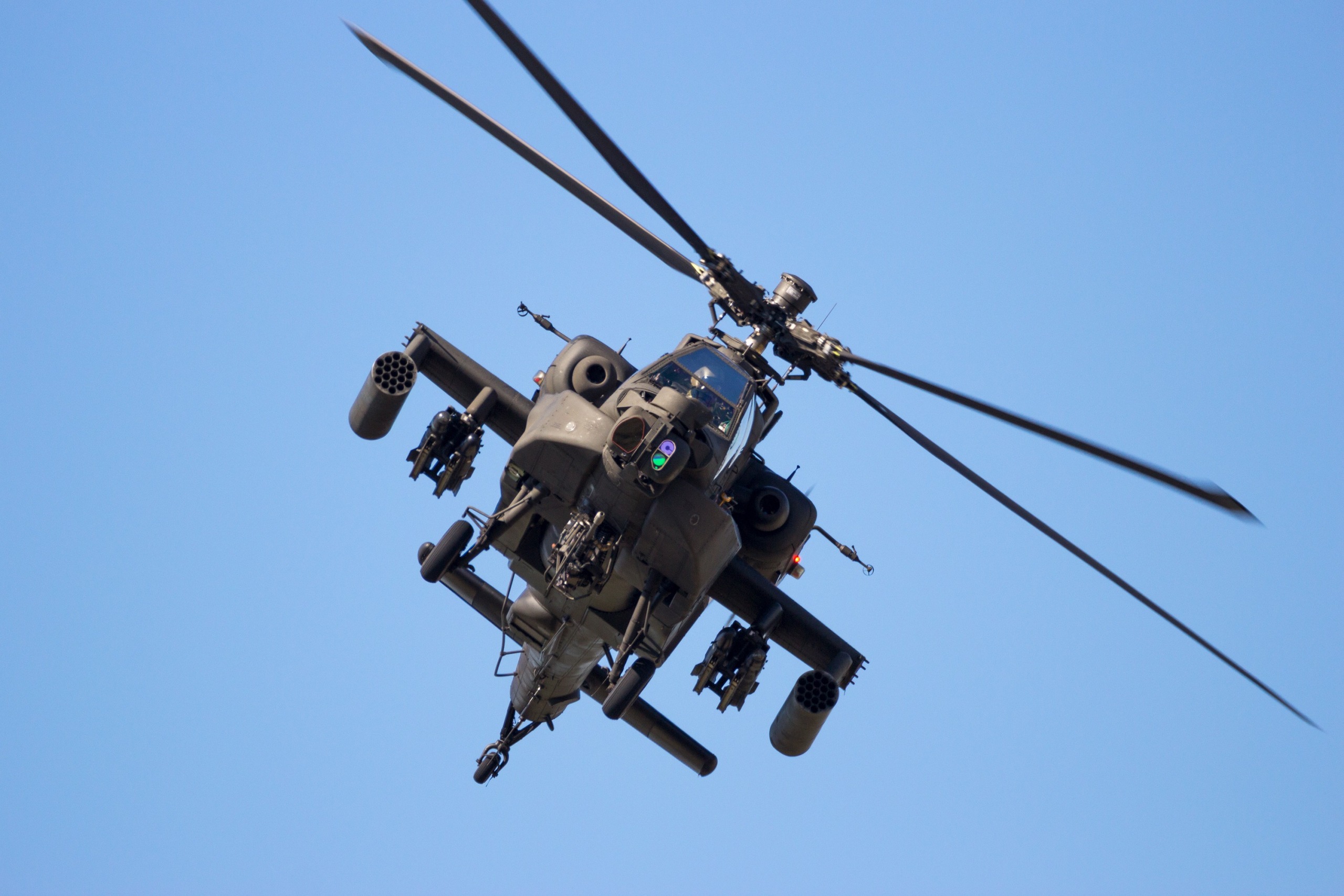
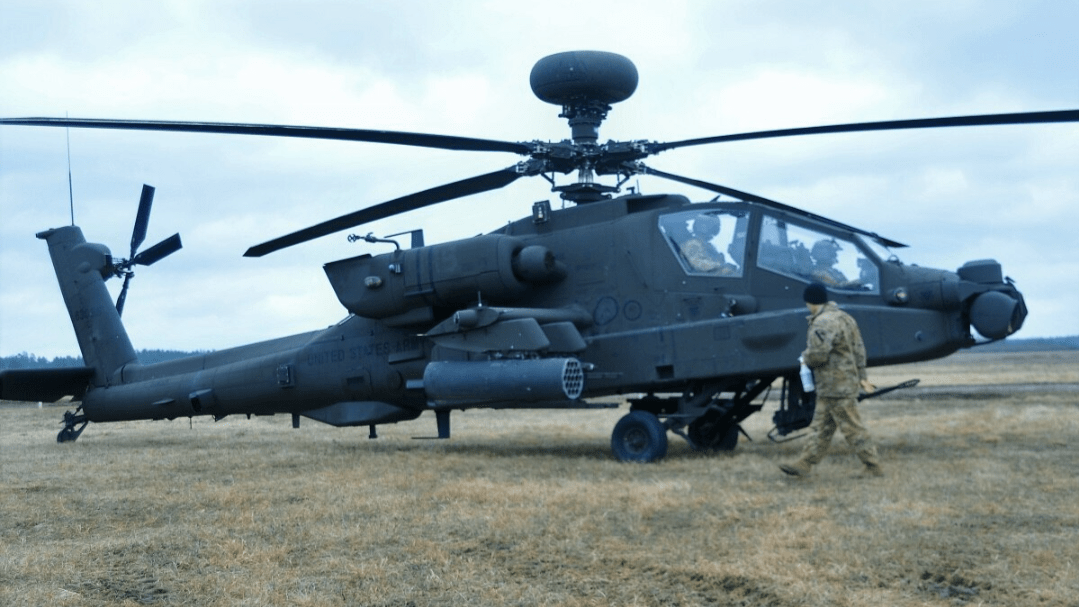
Apache Helicopter Logistics Analysis (Project Manager Apache)
Enhancing Learning Experiences for Aviation Teams
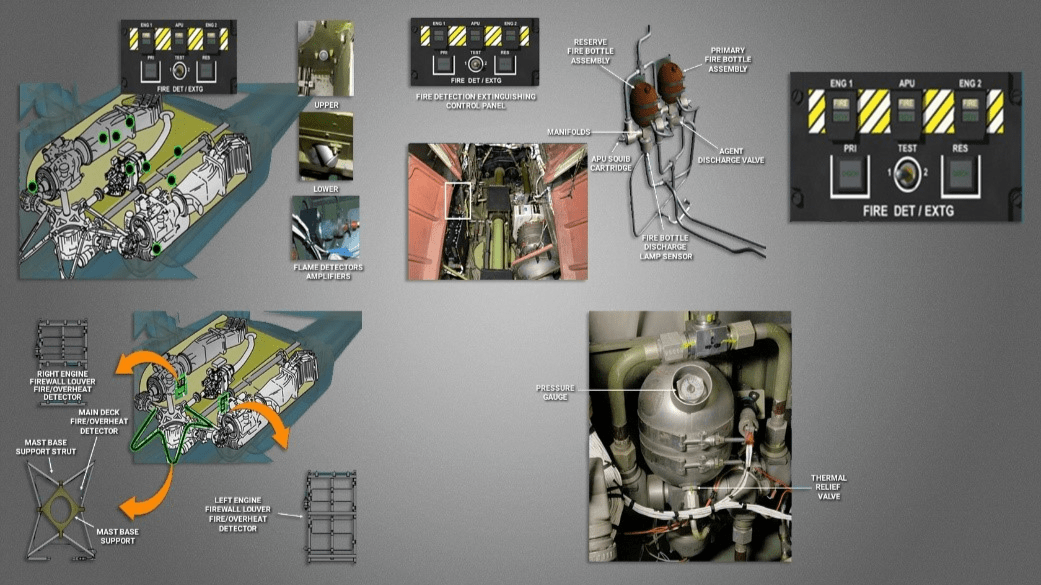
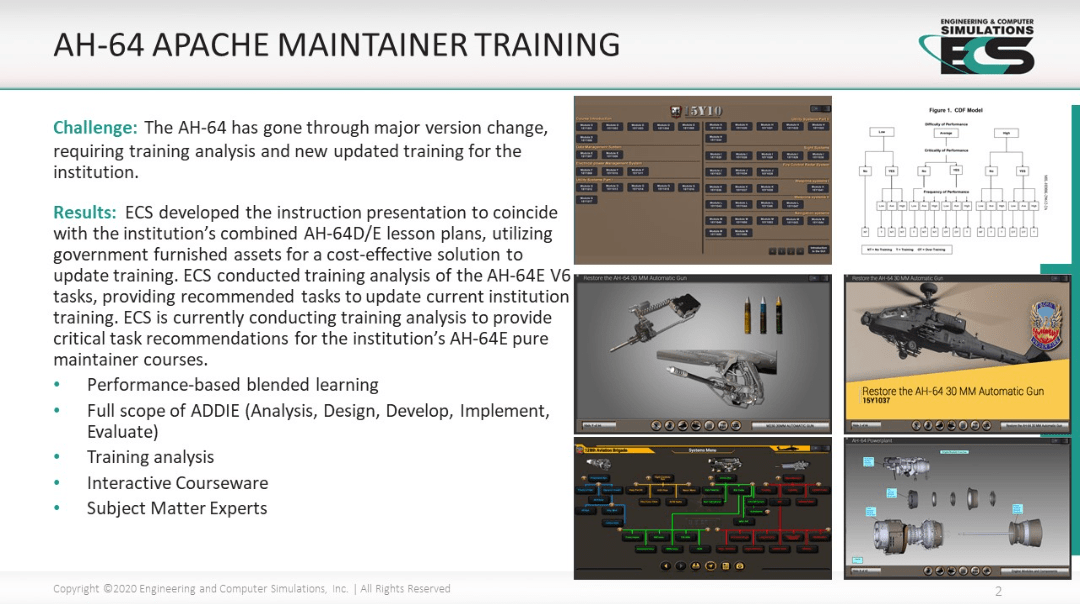
Beginning in 2018, ECS integrated maintenance training programs for the AH-64D Apache Longbow and the AH-64E Apache Guardian under a contract with the U.S. Army Program Executive Office – Aviation (PEO Aviation) Project Manager Apache (PM Apache) office. Our team delivered additional upgrades and training analyses for the AH-64E to improve Soldier training. These aviation maintenance training and modernization programs, Apache Helicopter Logistics Analysis, were implemented by ECS subject matter experts (SMEs) and instructional systems designers (ISDs) through the development of courseware and instructor-led training that covered both airframes.
Our SMEs and ISDs collaborated to develop a Total Task Inventory List (TTIL) and Critical Task List to deliver additional training specifically on the AH-64E. This scope of services included conducting a training analysis to assist the 128th Aviation Brigade (AVN BDE), stationed at Fort Eustis, VA, to build a full AH-64E course for maintainers. At the time, the aviation training taught a combined course of AH-64D and AH-64E aircraft configurations; this training initiative was critical, as the field was close to converting its fleet of Apache aircraft from the AH-64D to the new AH-64E and would require that the field of maintainers be trained on the newer platform.
Following the same procedures that led to the previous success, the team investigated new ways to improve the science of learning and task retention with a secondary goal of lowering recurring training costs. This helped ensure that the knowledge and the skills a Soldier needs to operate and maintain the aircraft would always be available to them.
01 / 03
Past performance · Medical · R&D
Augmented Reality Medical Training Prototype (AR MTP)
Bringing the Power of TC3Sim to the Cloud and 5G
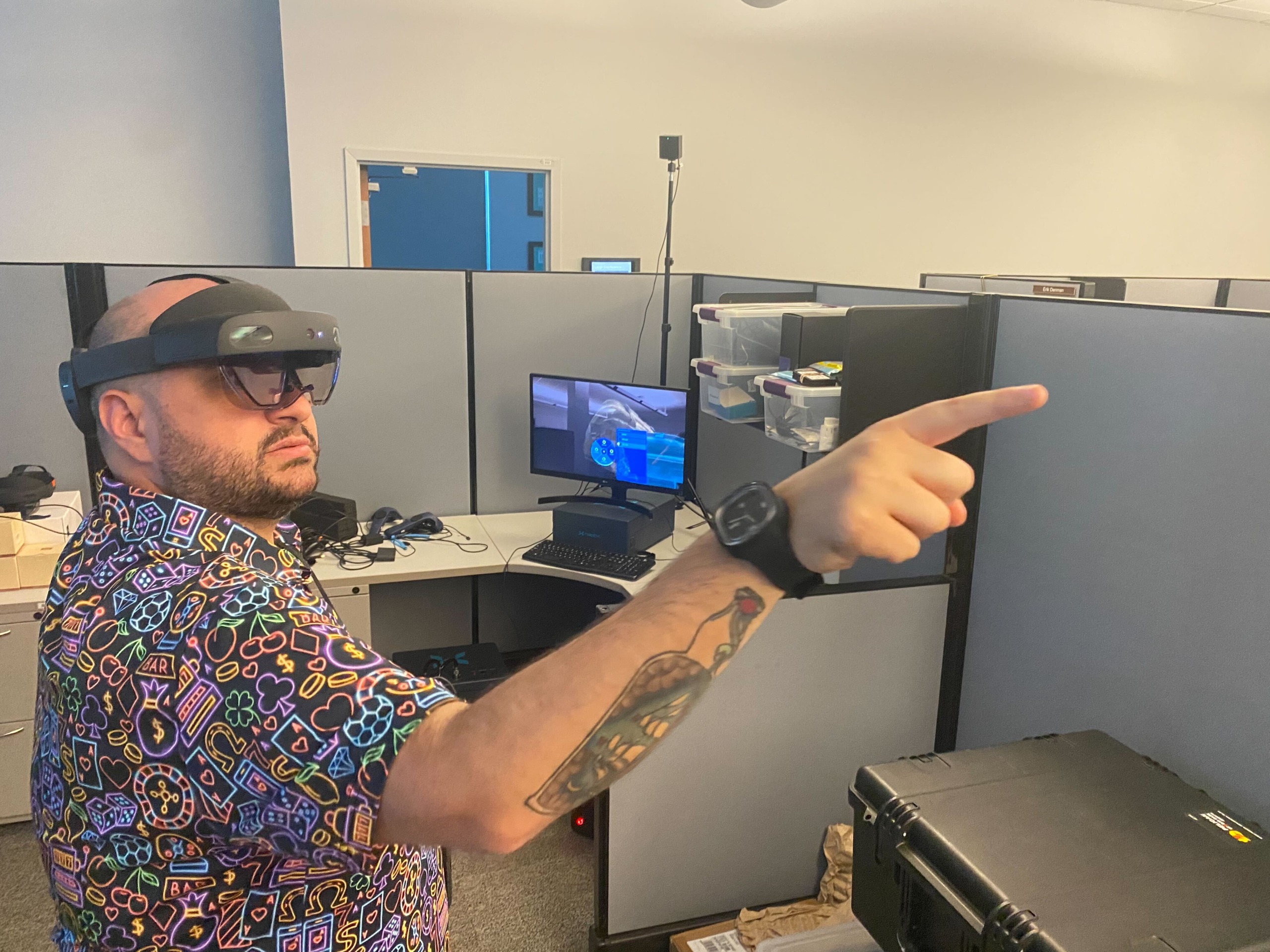
ECS developed the Augmented Reality Medical Training Prototype (AR MTP), a cutting-edge medical training innovation for military personnel that leveraged 5G enabled technology and cloud architectures combined with the high TRL capabilities of Tactical Combat Casualty Care (TC3Sim).
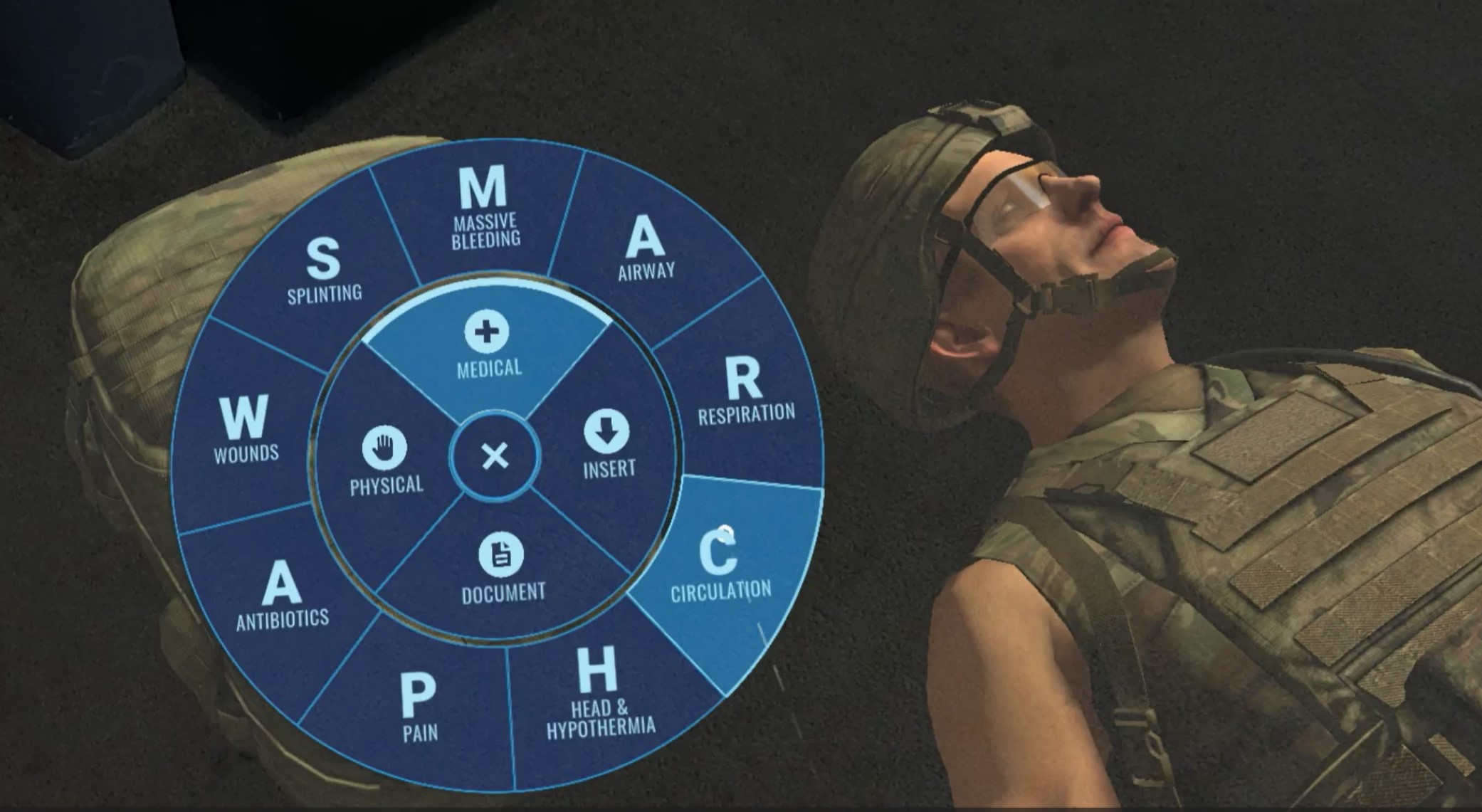
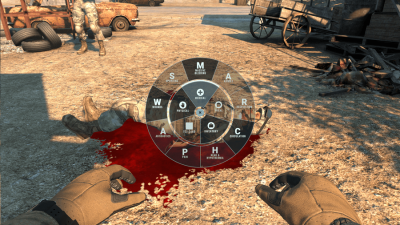
For the first time, our ECS team fully developed an AR use case for TC3Sim, creating an immersive and realistic training environment. Our agnostic approach ensured maximum flexibility, enabling integration with custom deployment environments and accommodating new use cases. The prototype used a microservices architecture, offering unparalleled support for cloud-native approaches and infrastructure-as-code. Instructors could effortlessly manage groups of learners, with one instructor supervising up to 20 students, making AR MTP an ideal solution for one-to-many training scenarios. The user interface was designed with utmost clarity, following the MARCHPAWS doctrine for virtual medical interventions, allowing learners to make critical decisions in high-pressure situations.

01 / 04
Past performance · Medical
Choosing Wisely
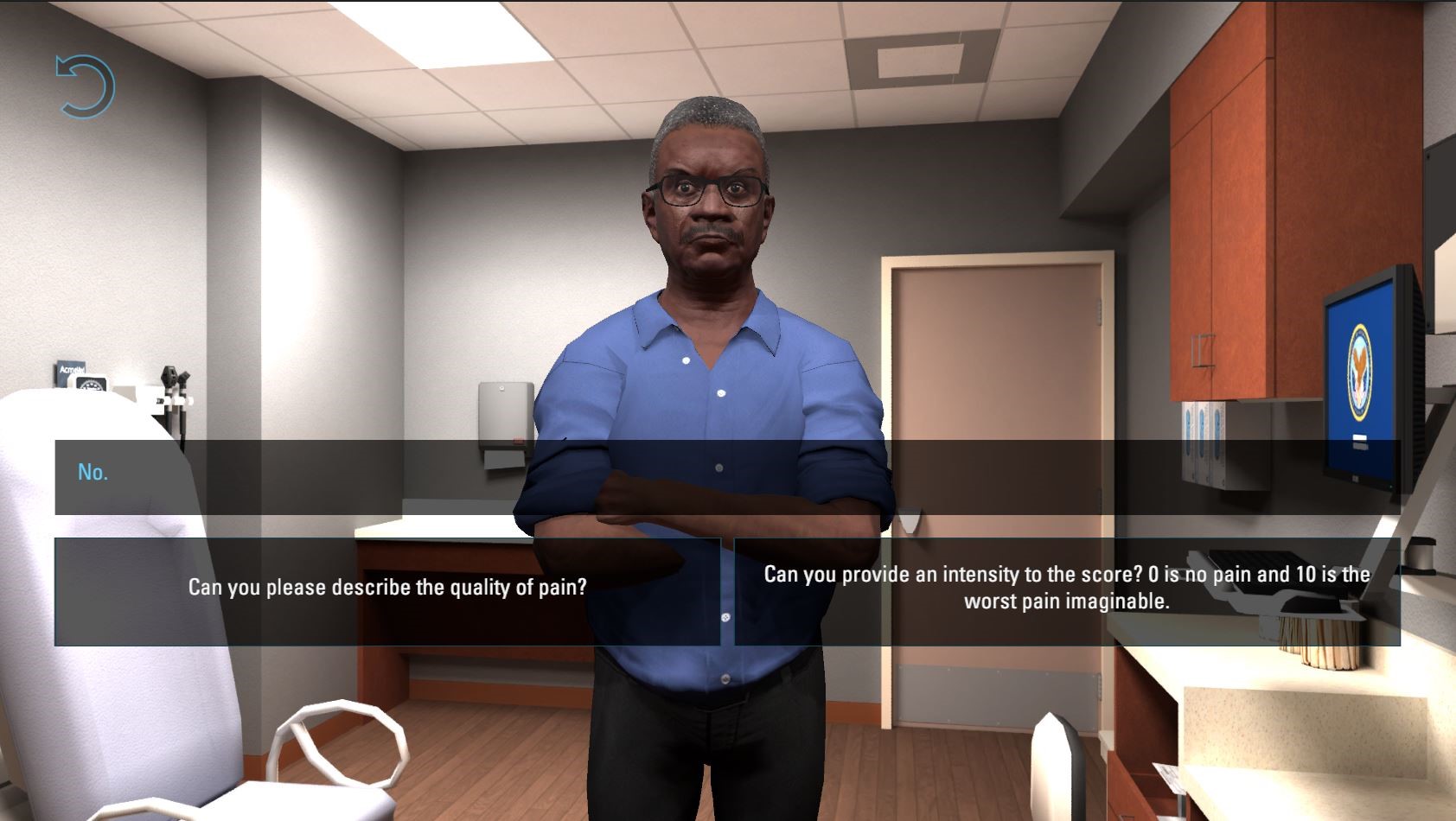
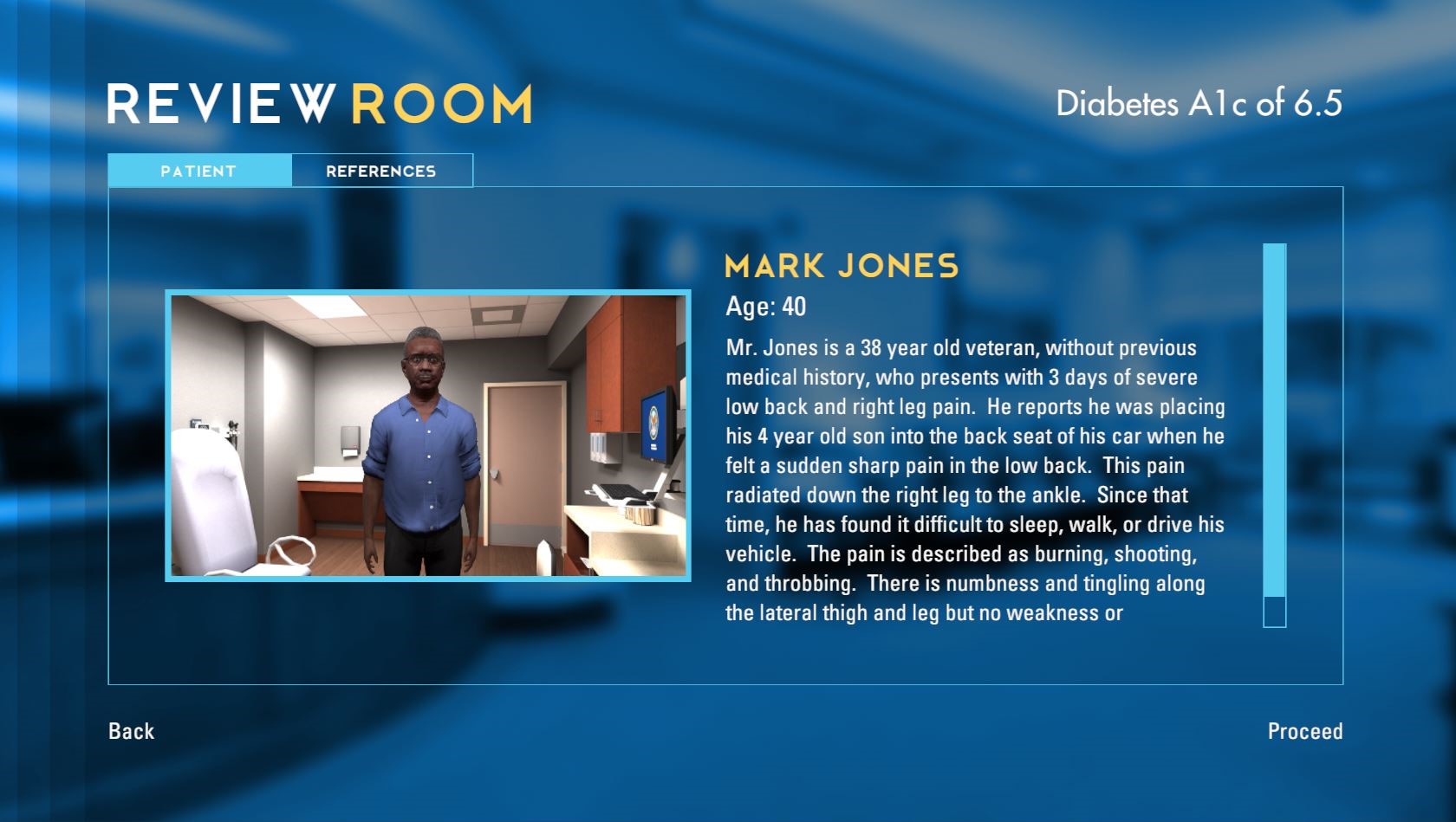
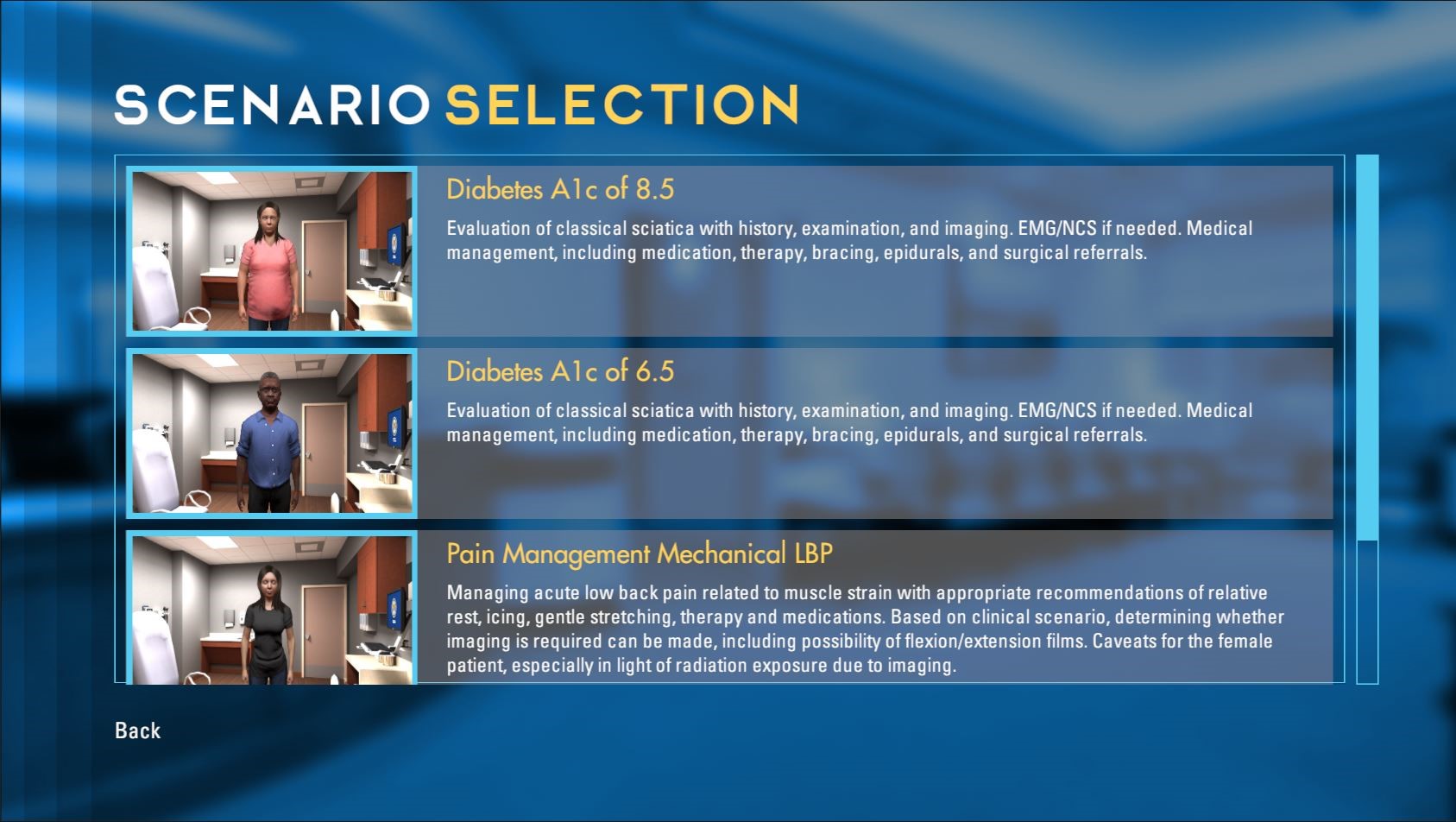
Choosing Wisely was a training application that tested a medical provider’s knowledge of what integrative medicine is and its associated concepts and methods. Users fulfilled the role of a physician in a clinic or hospital and interviewed virtual patients. Each patient presented opportunities to offer traditional, alternative, or integrative treatments while providing the player with information to compare and contrast the different options to guide the dialogue. The application served as an introduction or refresher that explained the different aspects and applications of integrative medicine.



01 / 08
Past performance · Medical
Clinical Skills
To simulate a wide range of clinical settings and integrate the specific skills needed to produce the best patient outcome.
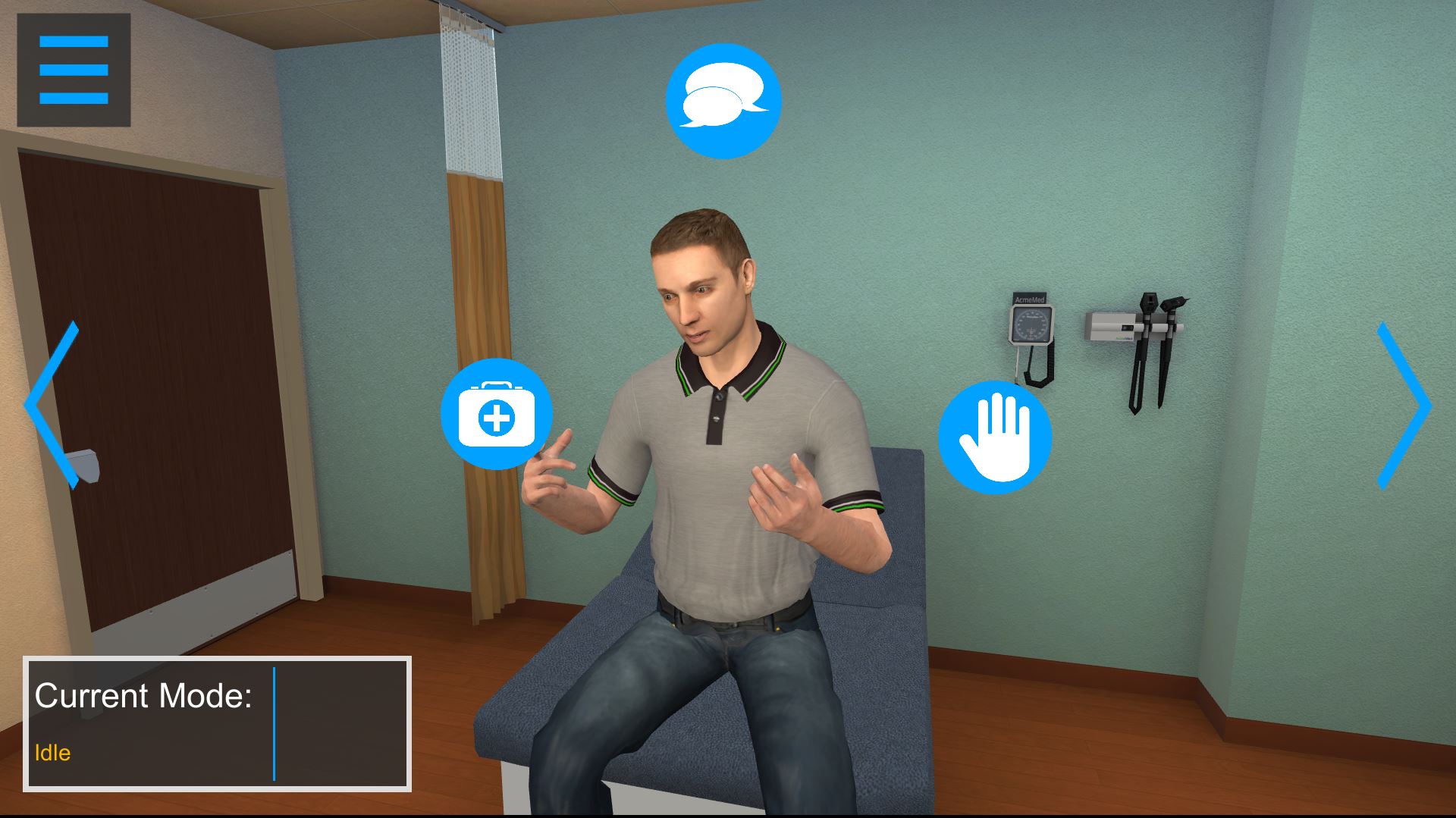
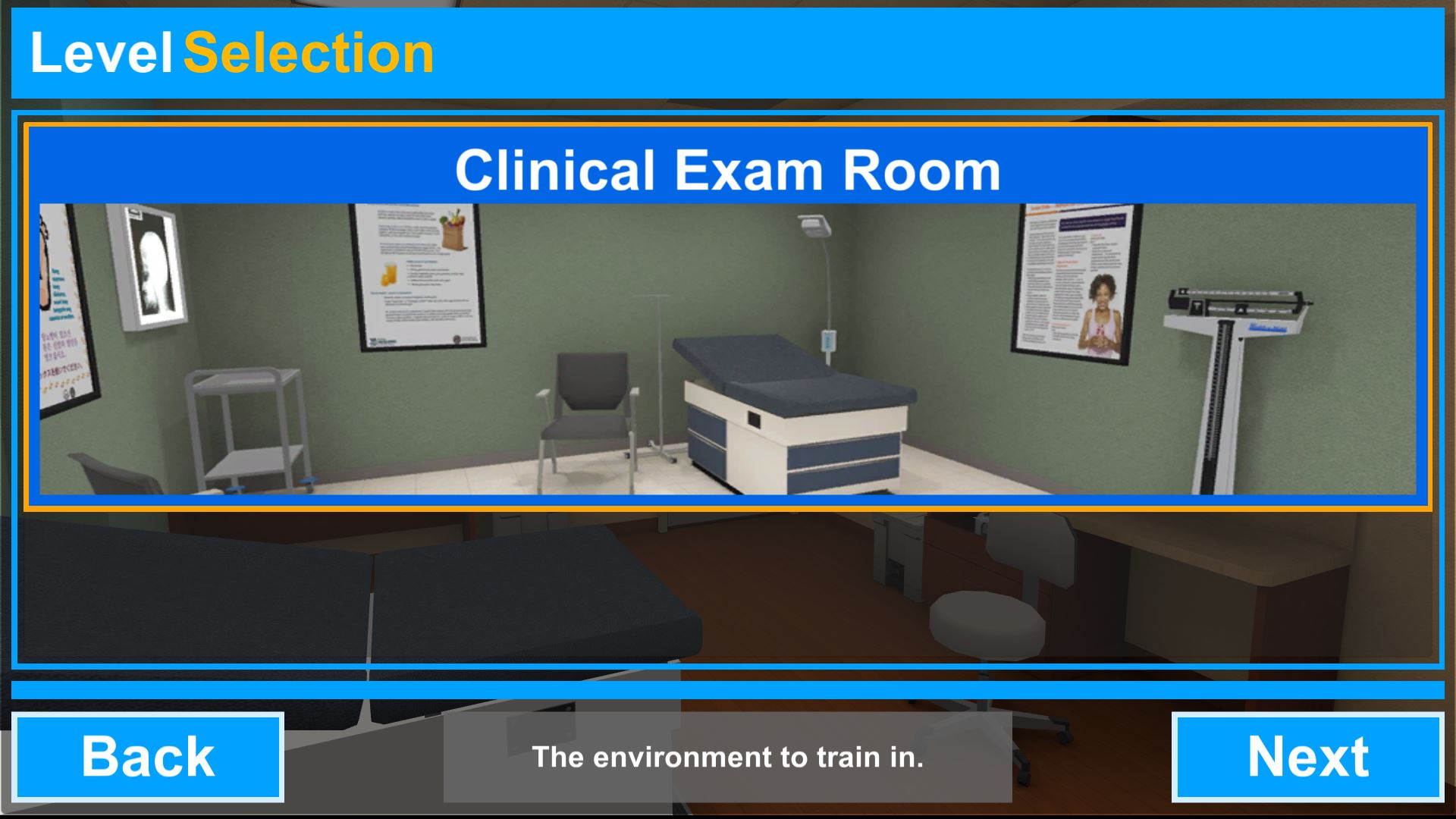
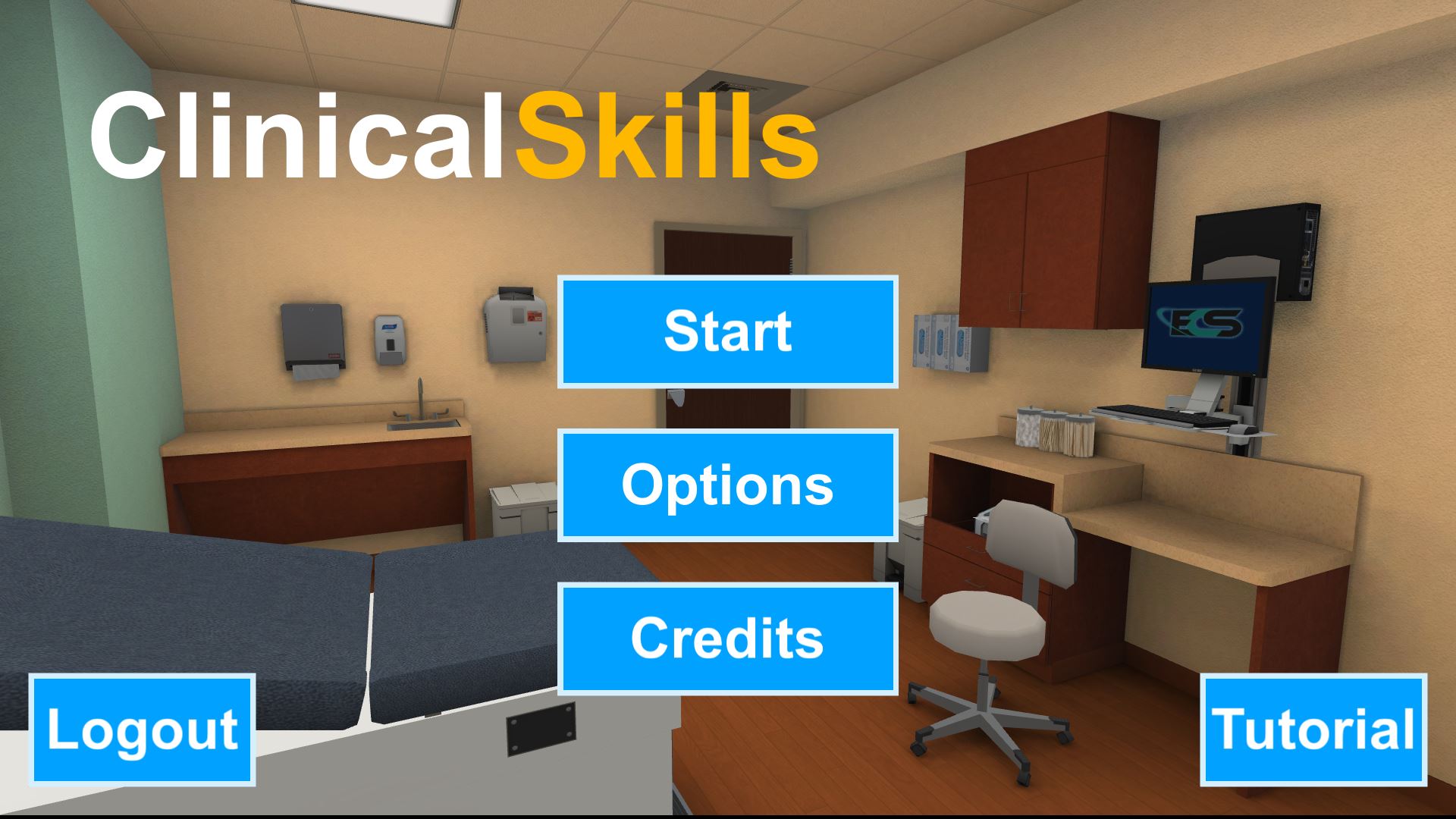
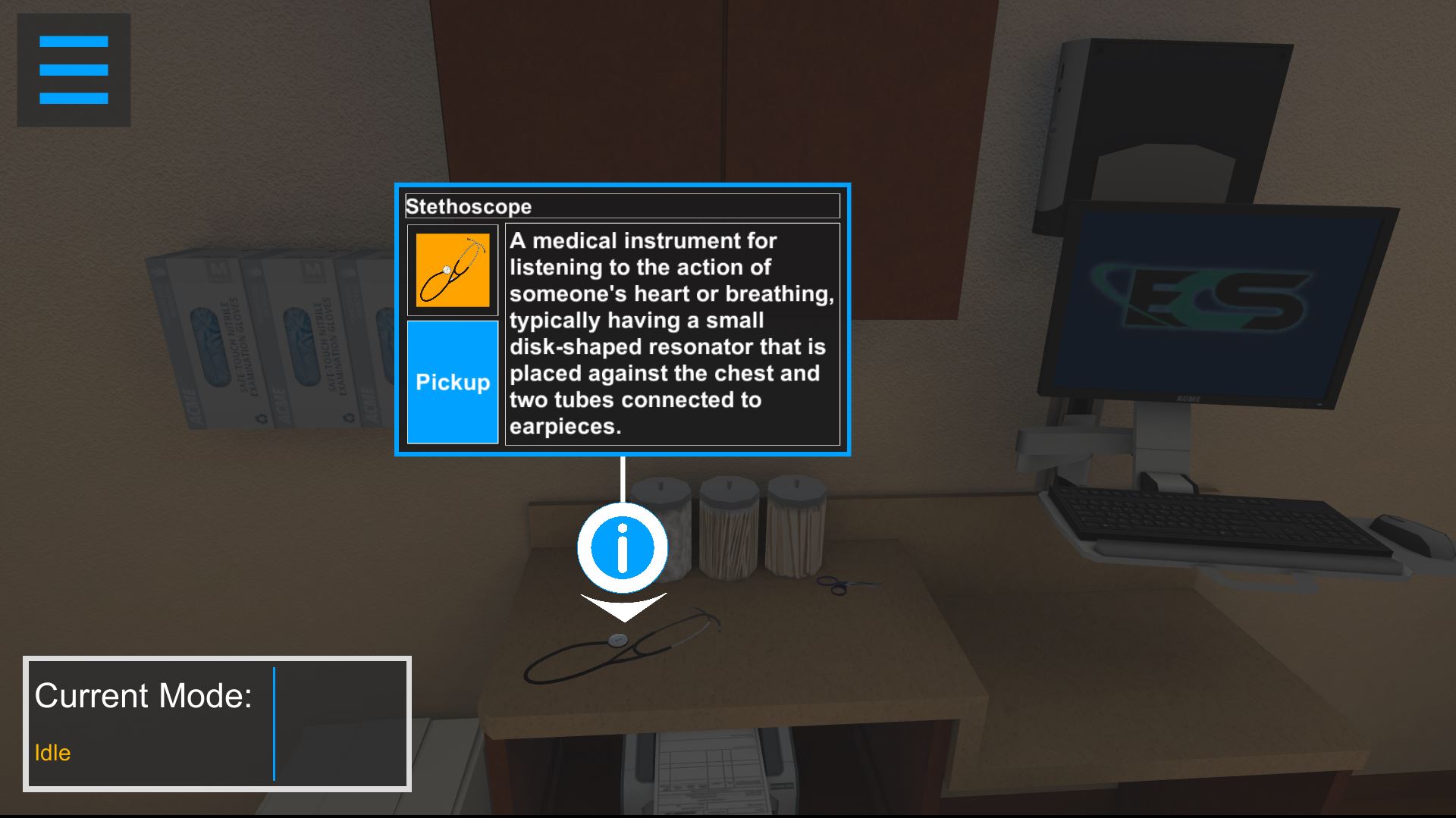
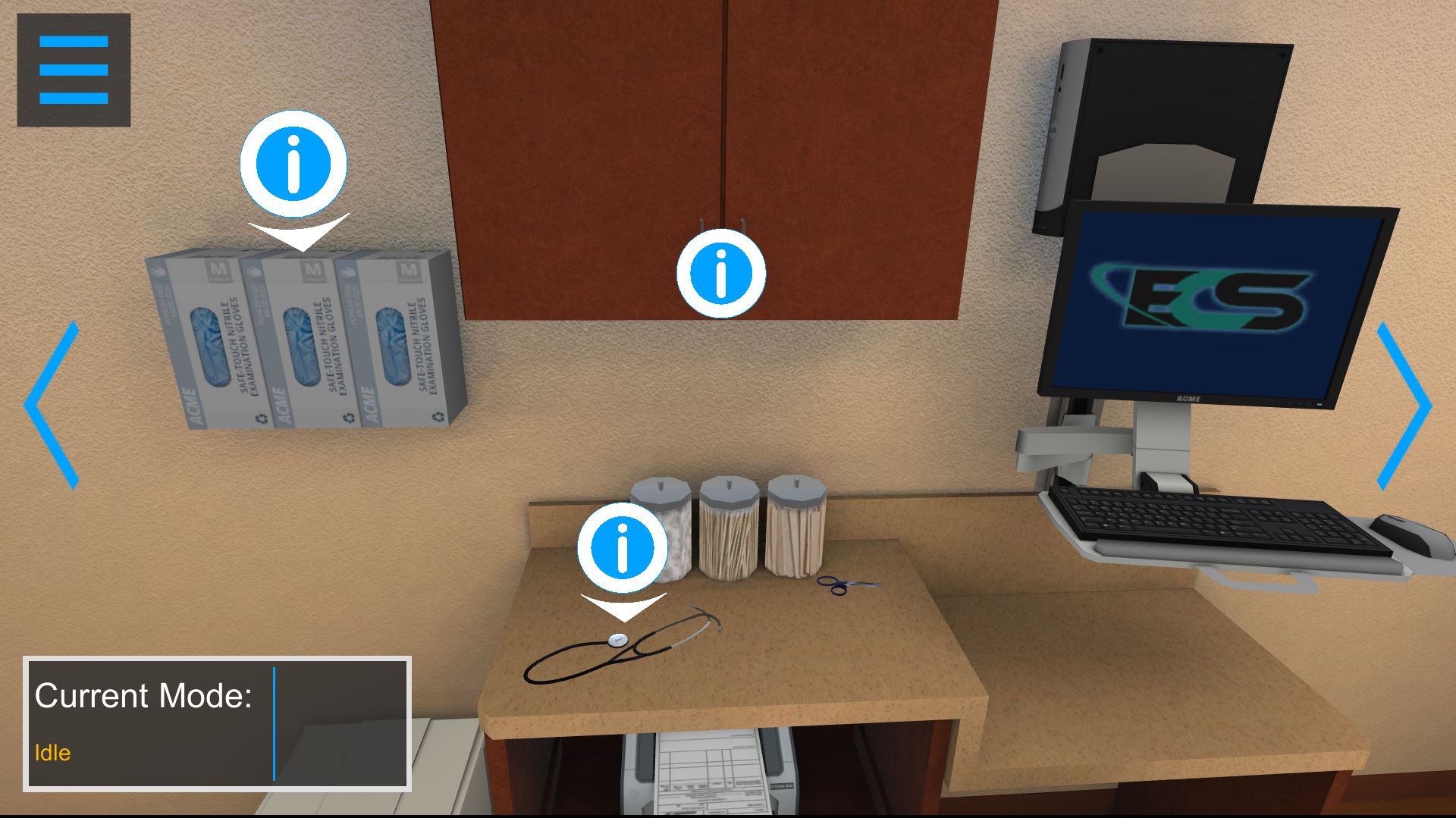
Blending game-based training with virtual reality (VR) hardware, Clinical Skills was an interactive and immersive trainer that simulated a wide range of clinical settings. Using this mobile application, medical professionals could train practically anywhere to prepare for specific situations, all within the safety of a virtual training environment.
The Clinical Skills Mobile App used a variety of conversation-based scenarios in a deep learning environment, which prompted learners to use specific approaches while conducting patient interviews:
- Interact with medical inventory items to take vital signs and perform physical examinations on realistic patient avatars
- Proper sequencing of events
- Reinforced patient interview techniques
- Incorporated productive patient dialogue
- Helped hone diagnostic reasoning skills that can be applied to various situations — both in regular checkups and even in more severe cases, where extreme sensitivity is required
The app also included essential environmental cues, such as patient feedback, as well as instructional feedback. The user was evaluated at each step of the clinical exam and could not progress until the correct action was performed.
Past performance · Constructive simulation · Services
Combined Arms Command and Control Trainer Upgrade System (CACCTUS)
Constructive Model, Scenario-Driven, Simulated Environment
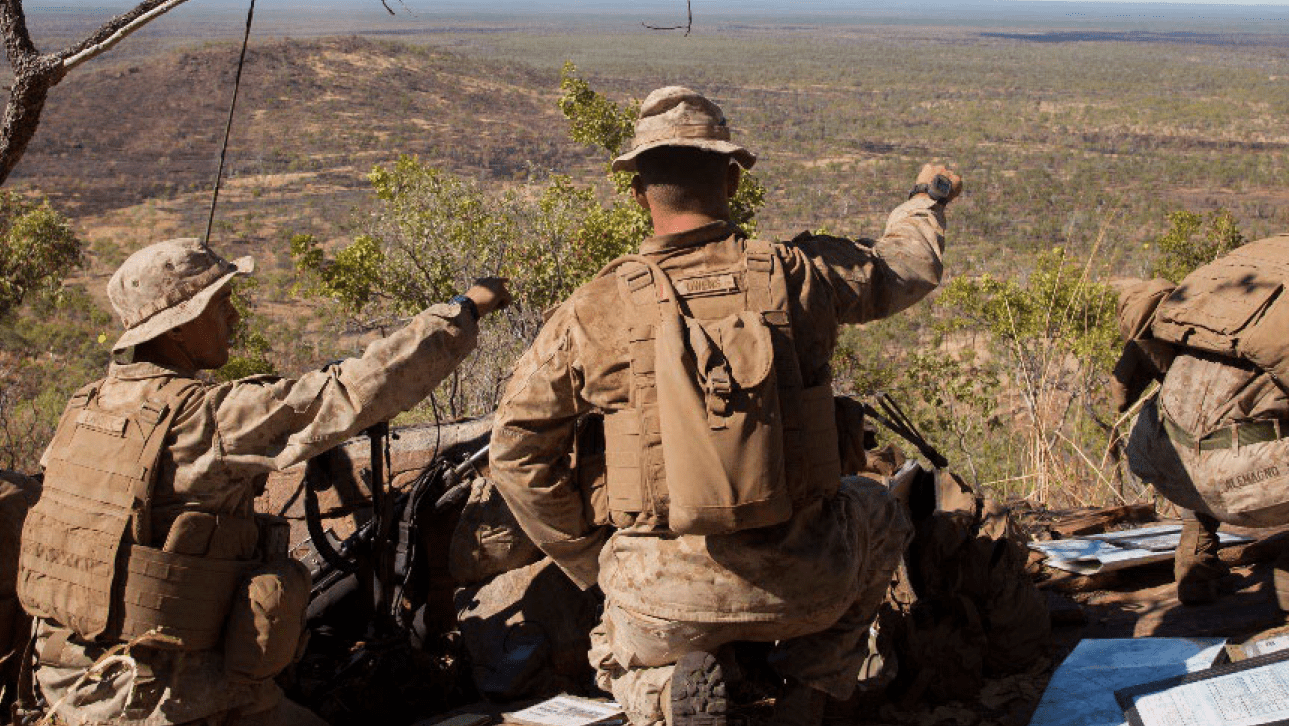
ECS was awarded the Combined Arms Command and Control Trainer Upgrade System (CACCTUS) from the Program Manager for Training Systems (PM TRASYS) Marine Corps Systems Command. One of the significant objectives of CACCTUS was to immerse Marines in a realistic, scenario-driven environment so that commanders and their battle staffs can train or rehearse combined arms tactics, techniques, procedures, and decision-making processes. CACCTUS was an upgrade to the United States Marine Corps’ (USMC) Combined Arms Staff Trainer (CAST). The CACCTUS system comprised simulation, 2D and 3D visuals, interfaced C4I, synthetic terrain, and After-Action Review (AAR) software.
The effort involved supporting a large baseline of deployed systems on a 24/7 basis while incorporating new features based on government-directed task orders. ECS successfully orchestrated these tasks while conducting full life cycle support and introducing new innovations and technology to the CACCTUS program.
The ECS team successfully supported and maintained the system until the USMC transitioned the program to the Marine Air-Ground Task Force (MAGTF) Tactical Warfare Simulation (MTWS) in conjunction with the USMC launch of Project Tripoli. ECS used/modified and deployed a OneSAF version to support the CAST training system.
Team Features
- ECS, Phoenix Defense, and AIT Engineering executed CACCTUS under PM TRASYS’ Electronic and Communication Services Multiple Award Task Order Contract.
- ECS provided strong technical and management leadership utilizing processes assessed at Capability Maturity Model Integration (CMMI) Maturity Level (ML) 3.

01 / 07
Past performance · Medical
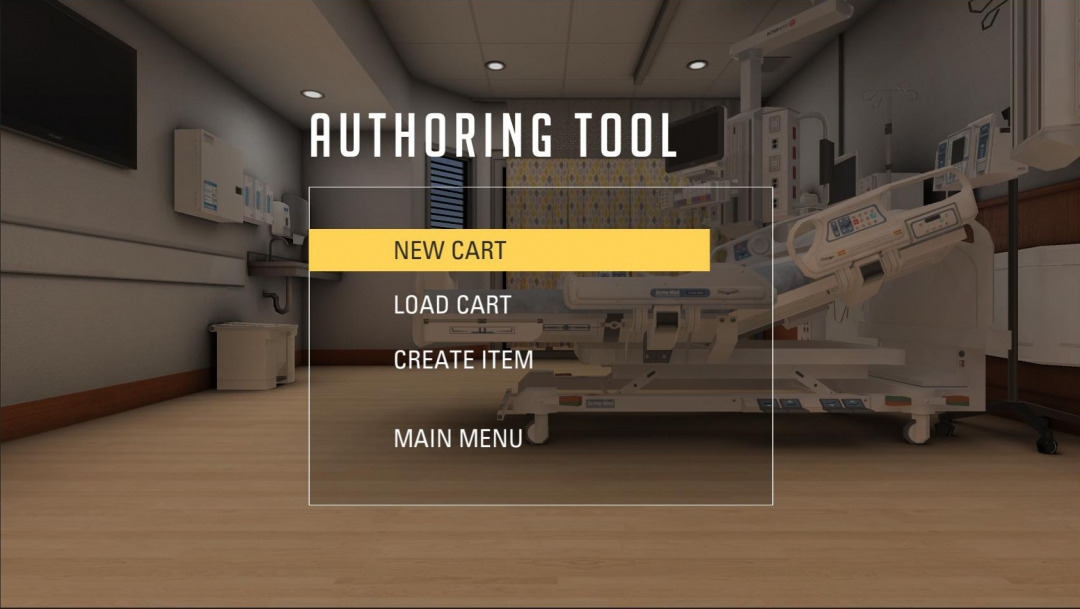
Crash Cart Countdown
Enhancing Cognitive Recall Skills for Emergency Response Teams
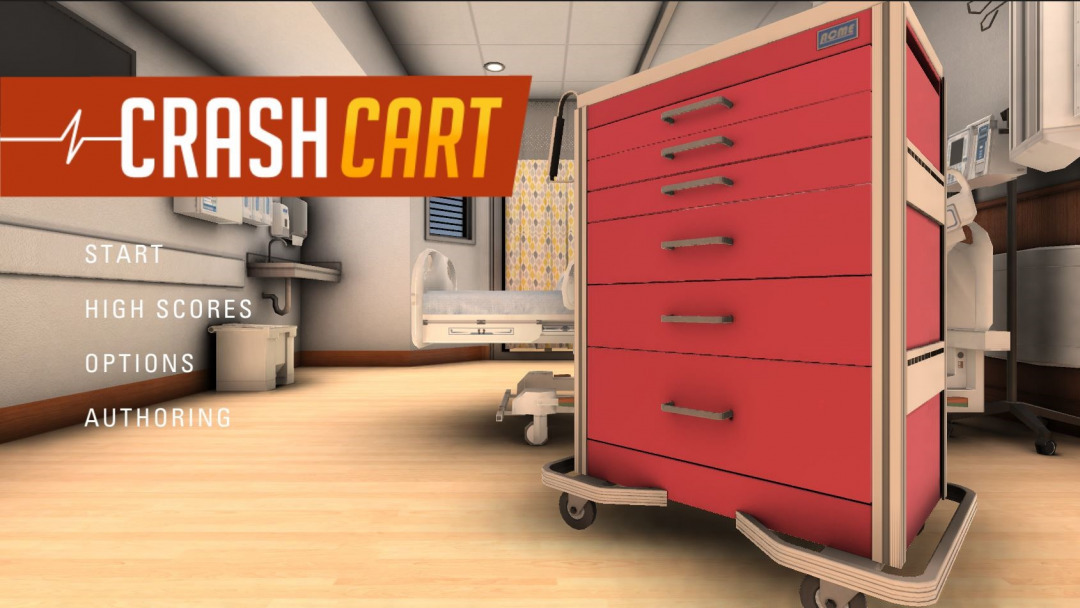
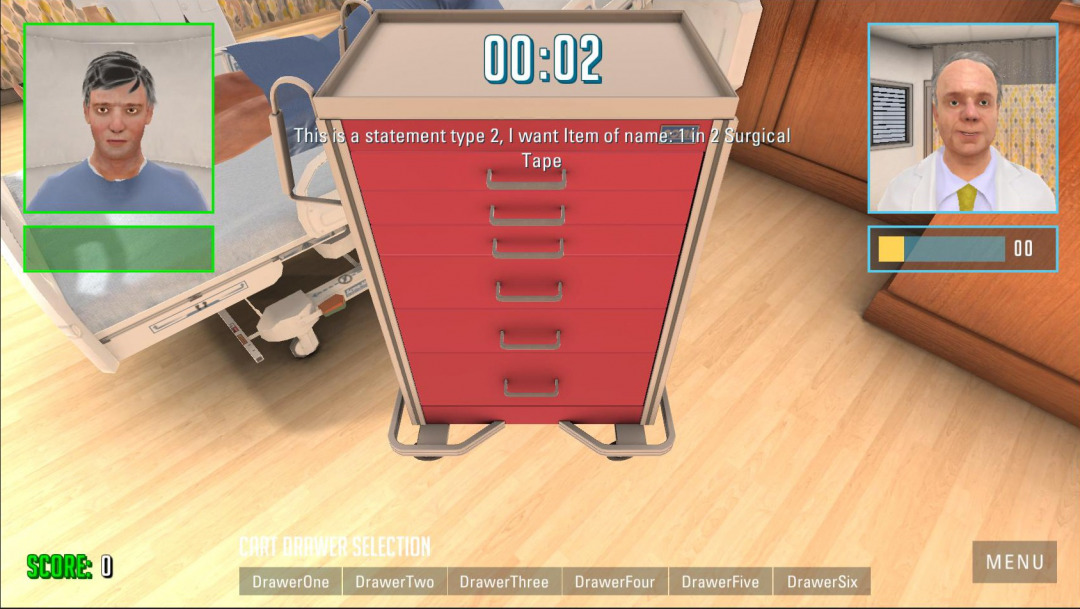
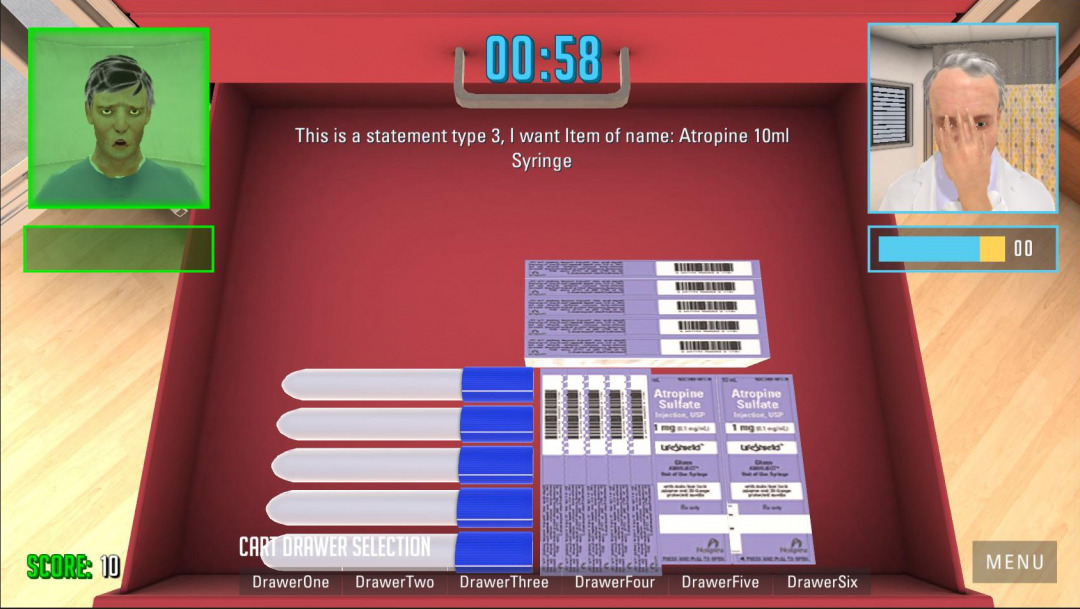
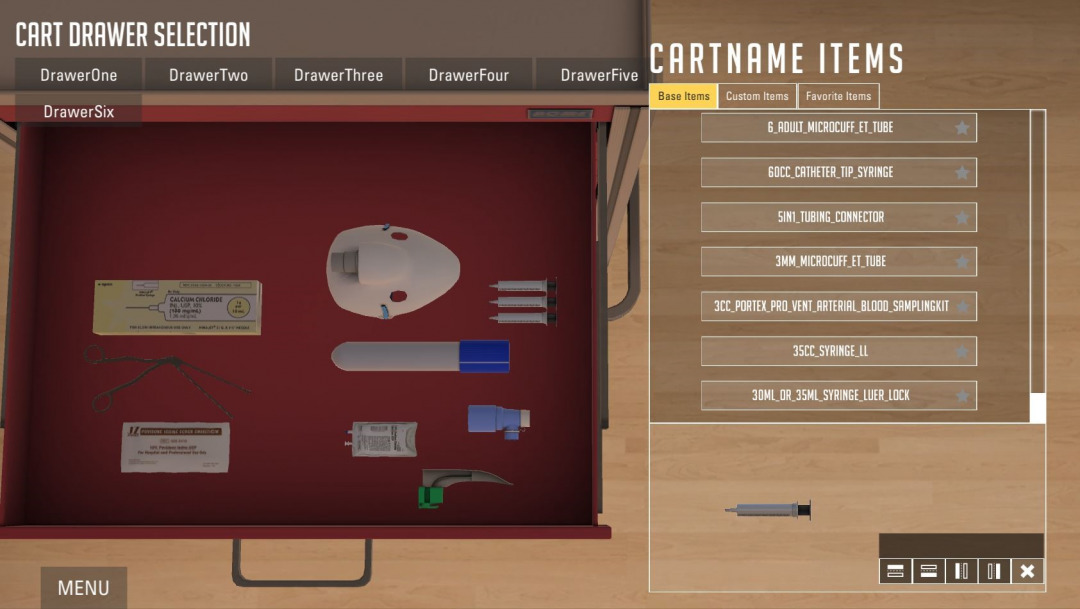
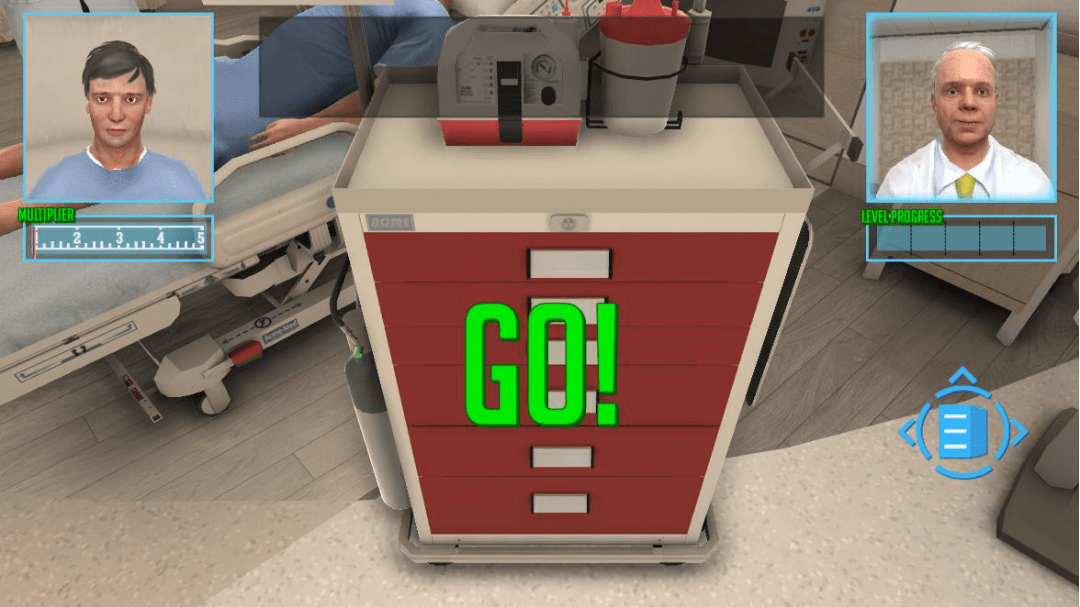
ECS developed Crash Cart Countdown to engage trainees in an arcade-style 3D game that simulates rapid response emergency medical situations. The game used medical equipment and supplies associated with standardized hospital emergency carts and prompted users to locate all necessary equipment in a situation where time is of the essence, then evaluated their efficiency and accuracy. Sequences were randomized during each play-through to enhance cognitive recall and produce precise evaluations of user knowledge. Organizations could also customize the carts to reflect the specific requirements of their facilities and workforce. The objective was to locate medical supplies and equipment within specific crash cart configurations with efficiency and accuracy.
This award-winning serious game was designed to increase cognitive recall skills using an educational role-playing game-based approach. Originally developed for the VA, the primary audience of Crash Cart Countdown was Rapid Response Teams (RRT), Medical Emergency Teams (MET), and High Acuity Response Teams (HART). Enabling these teams to master these critical skills through training saved valuable time needed to locate supplies in an emergency.
Key Features of Crash Cart Countdown included
- Game-based 3D Interface – Provided the learner with a contextual method of locating equipment within the various carts used by the healthcare facility
- Integrated Leaderboard – Tracked player high scores to encourage friendly competition and increase replay value
- Customization Feature – Allowed admins to tailor or update existing carts and content, as well as create new cart configurations
01 / 05
Past performance · Virtual simulation
Cross Cultural Competence Trainer (3CT)
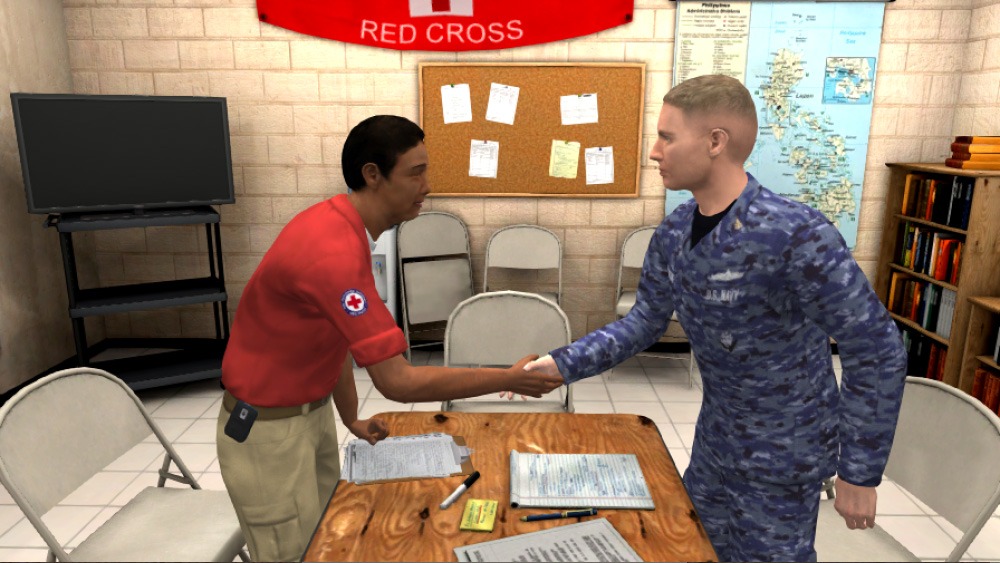
The understanding of both one’s own and other cultures is essential for the Department of Defense as it faces the increasingly complex security challenges of the 21st century. Interaction with local populations and other cultural factors not only are critical elements in persistent conflict but contribute to the success and/or failure of stability, peacekeeping, humanitarian aid, and disaster relief operations.
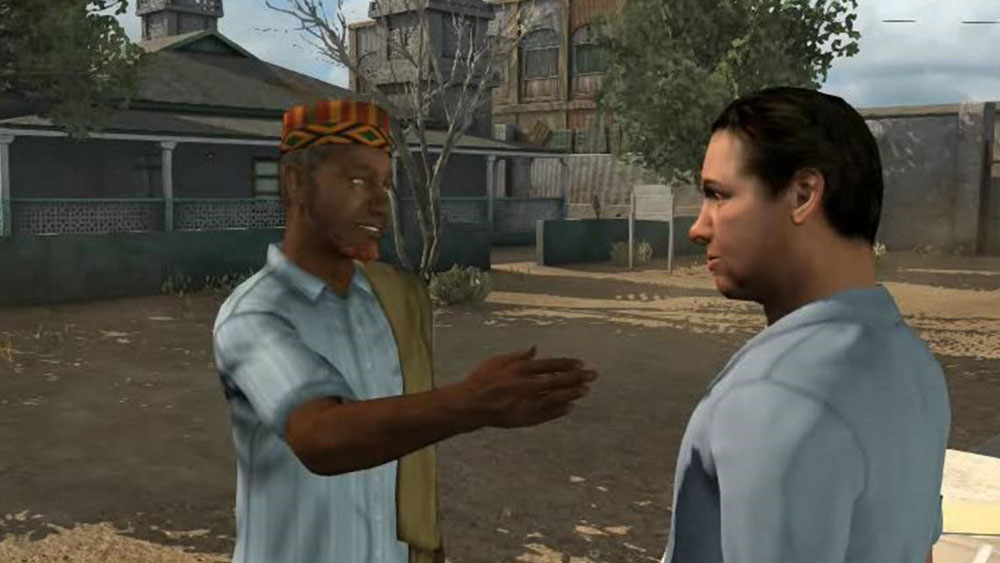
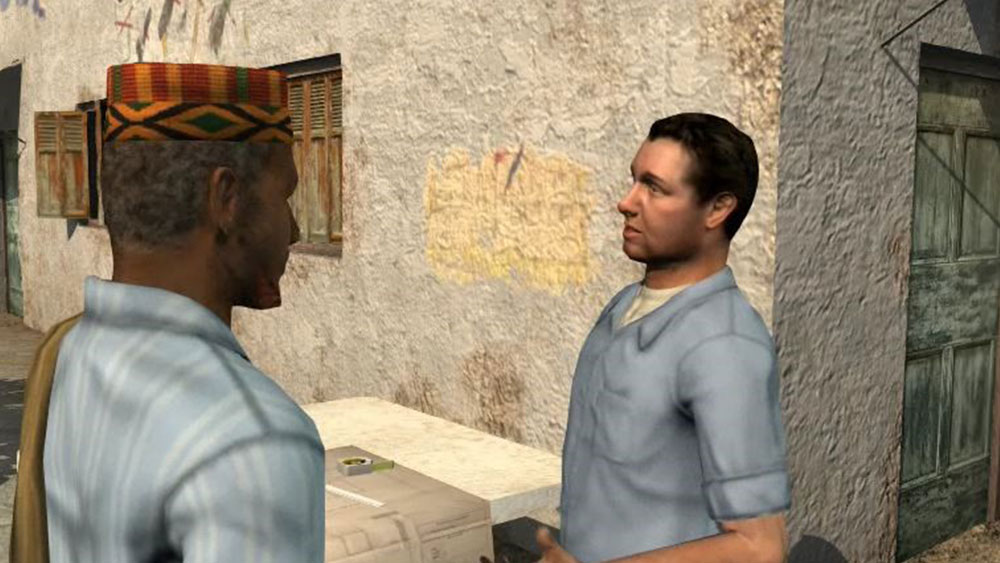
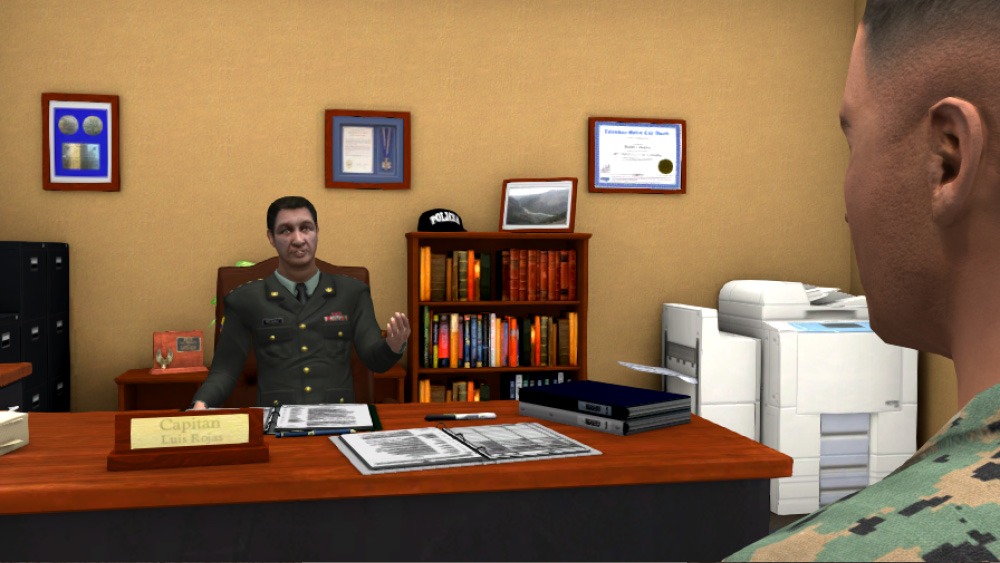
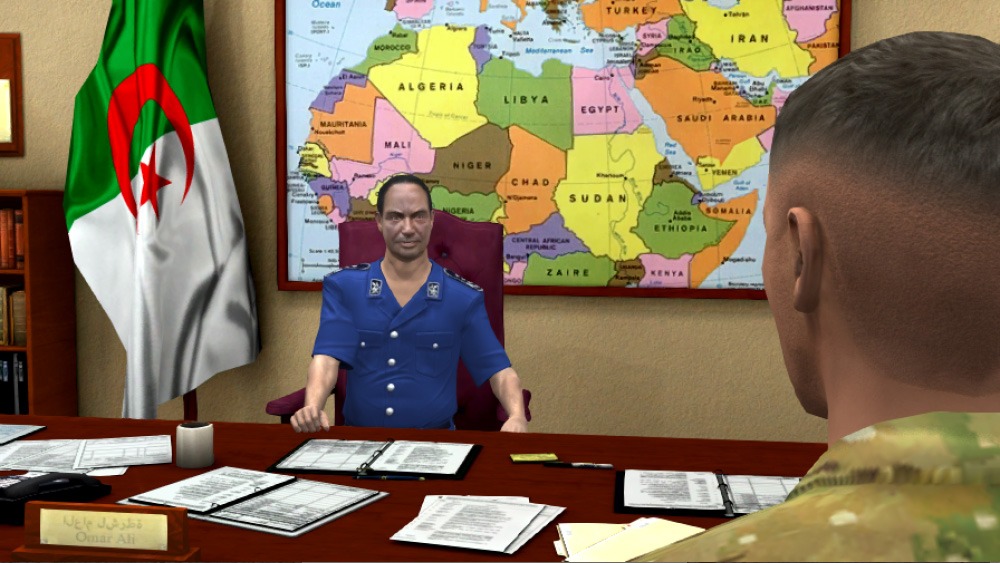
The Cross-Cultural Competence Trainer (3CT) course covered a core list of learning objectives that encompassed the cultural general knowledge, skills, abilities, and attitudes needed to operate in a culturally diverse environment and facilitate mission success.
The same tenets of instruction used in this training scenario are applicable in the global oil & gas industry. Interaction with diverse cultures in the work environment is required and necessary. This type of solution can provide familiarization for all personnel involved.
Features
- Immersive, engaging 3D environment
- Consequence-based action
- No software install required
- High Fidelity Avatars
- Performance Assessment
Past performance
CSX Management Trainer
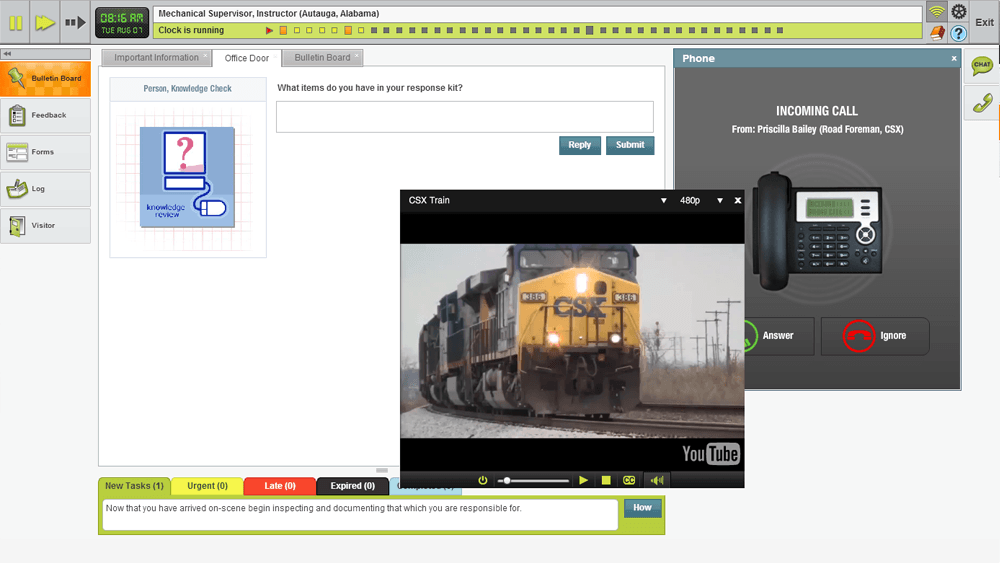
ECS assisted CSX Rail in educating and developing its young employees through the use of our Virtual Staff Training platform. Our team of talented scenario designers and web developers worked closely with the management staff at CSX to develop six scenarios that trained the employees on both commonly occurring incidents, as well as more rare and complex incidents. Students were able to work through the scenarios as individuals and as members of a core team of managers. The scenarios aimed to train the students on key learning objectives including disseminating incident information, knowledge of protocol, and proper incident documentation.
Past performance · Virtual simulation
Emergency Management & Crisis Preparedness Training
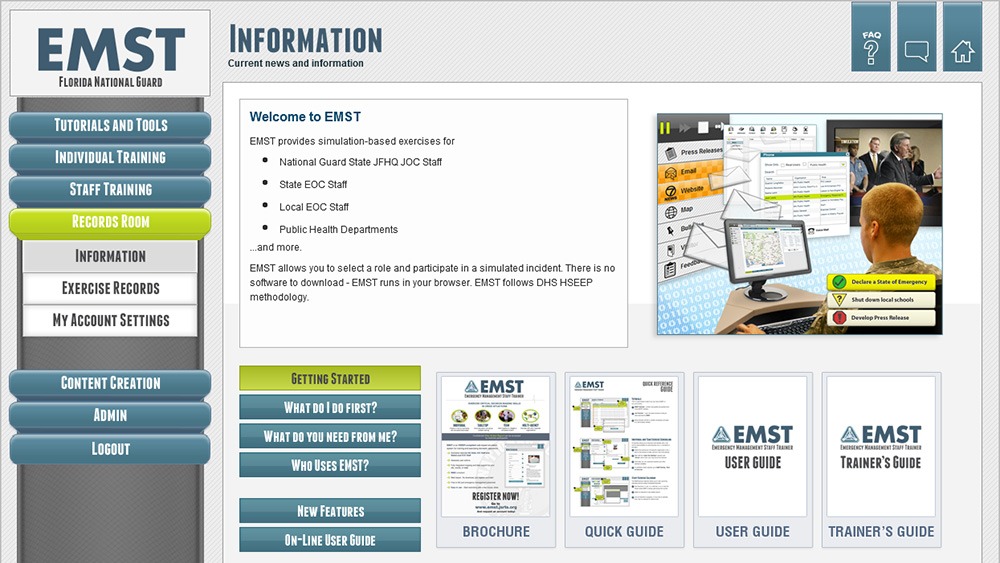
Emergency Management Staff Trainer (EMST)
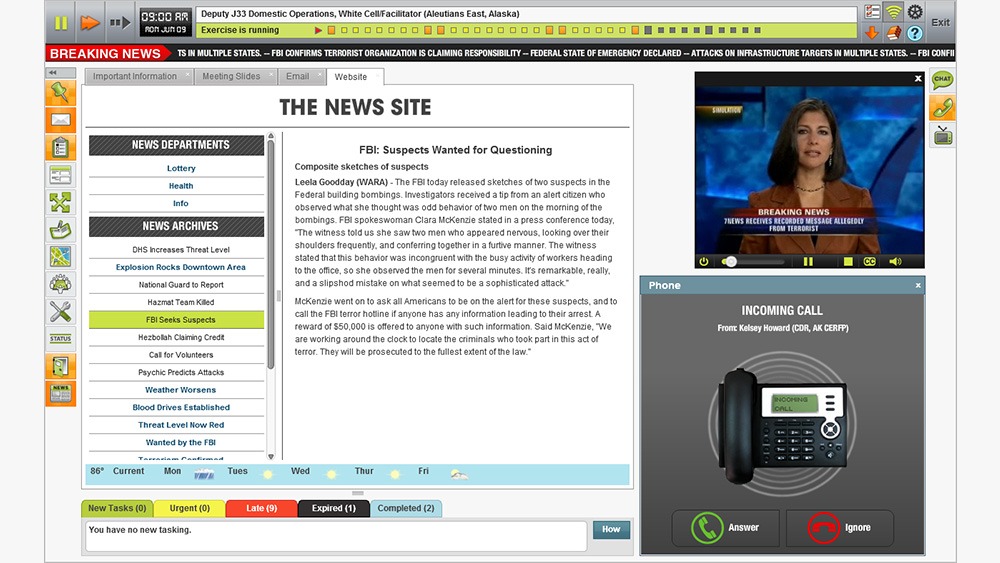
Available through the web, EMST presented real-time injects incorporating emails, social media updates, news videos, website articles, simulated conversations, meetings, maps, and images. These injects required participants to prioritize tasks, respond to or moderate situations, and predict how their responses would affect the remainder of the emergency situation. An all-hazards trainer, this virtual staff trainer incorporated a wide variety of scenarios, ranging from small-scale human error to large-scale natural disasters, terrorist attacks, pandemics, and civil unrest. Scenarios could be easily customized and allowed for role-specific training for individuals, teams, and multiple agencies working together as a joint state response system (JSRTS). EMST also incorporated an After-Action Review capability that automatically assessed each participant’s performance.
Crisis Response Simulation (CRS)
To train and improve user’s understanding of specific administrative and documentation standards during unplanned black-swan incidents.
A comprehensive virtual staff trainer, CRS incorporated real-time instructor support tools, tracked and provided performance assessments, and allowed leadership to remotely conduct team-training exercises with up to 200 participants at a time. CRS was fully customizable and integrated with existing courseware, documents, CAD software and/or 3D assets, so that the training was truly authentic.


01 / 04
Past performance · Medical · Virtual simulation
Goals of Care Conversations
Enhancing Patient Care Communication Techniques with Virtual Training
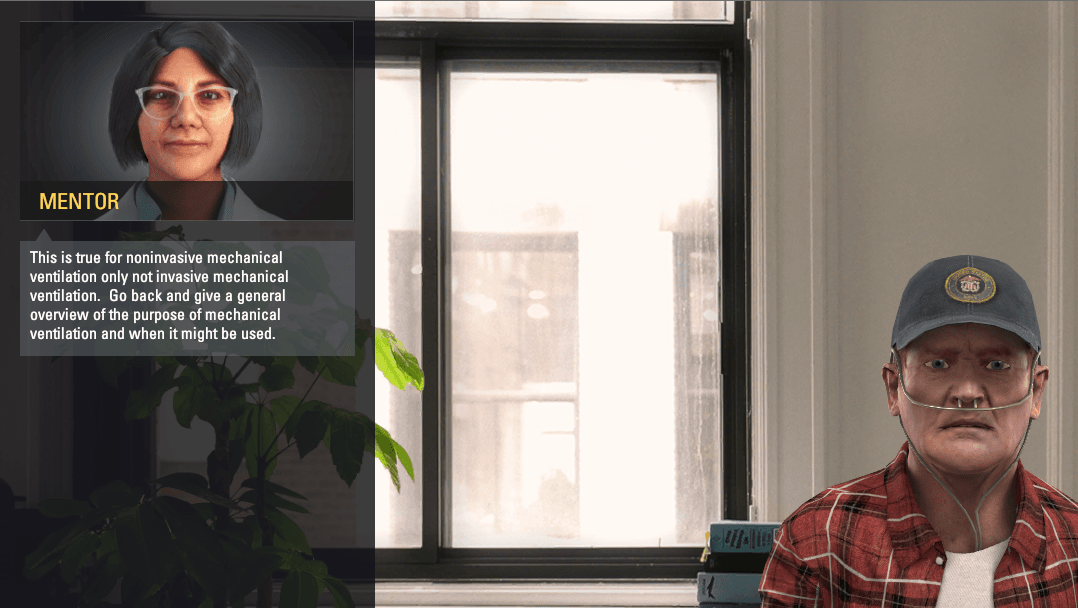
ECS worked in collaboration with the VA Sim LEARN program to design Goals of Care Conversations to hone skills in helping a patient and their family to make palliative care decisions with empathy and thoughtful care. Palliative care is specialized medical care for people with serious illnesses, focusing on providing relief from the symptoms and stress. Proactively conducting goals of care conversations with a patient with a serious illness is important in ensuring that the patient’s values, goals, and treatment preferences are followed.
The purpose of the tool was to emphasize and reaffirm the importance of the relationship between practitioner and patient. The learner practiced these skills in an immersive and realistic environment with immediate feedback from a virtual mentor to help reinforce important skills.
This virtual training program helped busy clinicians practice including the patient and their caregivers in making quality-of-life decisions.
Through this work, ECS helped improve the quality of healthcare services for America’s Veterans through the application of simulation-based learning strategies to clinical workforce development.
Key Features of Goals of Care Conversations included
- High Fidelity Avatars – High-quality visuals for the patient and caregivers gave a sense of realism and portrayed evocative responses.
- Challenging scenarios – Navigate through the challenging nuances of the soft skills of empathy and choosing not only what to say, but when and how to say it.
- Virtual Mentor and Review – A virtual mentor acted as a guide throughout the scenario to keep learners on track and provide instant feedback, as well as remediation and review upon completion of a scenario.
- Ease of Access – Goals of Care Conversations used WebGL to run natively in any modern browser without the need for additional software.
Past performance · Medical · R&D
Haptics-Enhanced AR Training System for Care Under Fire
AR + Haptics CUF
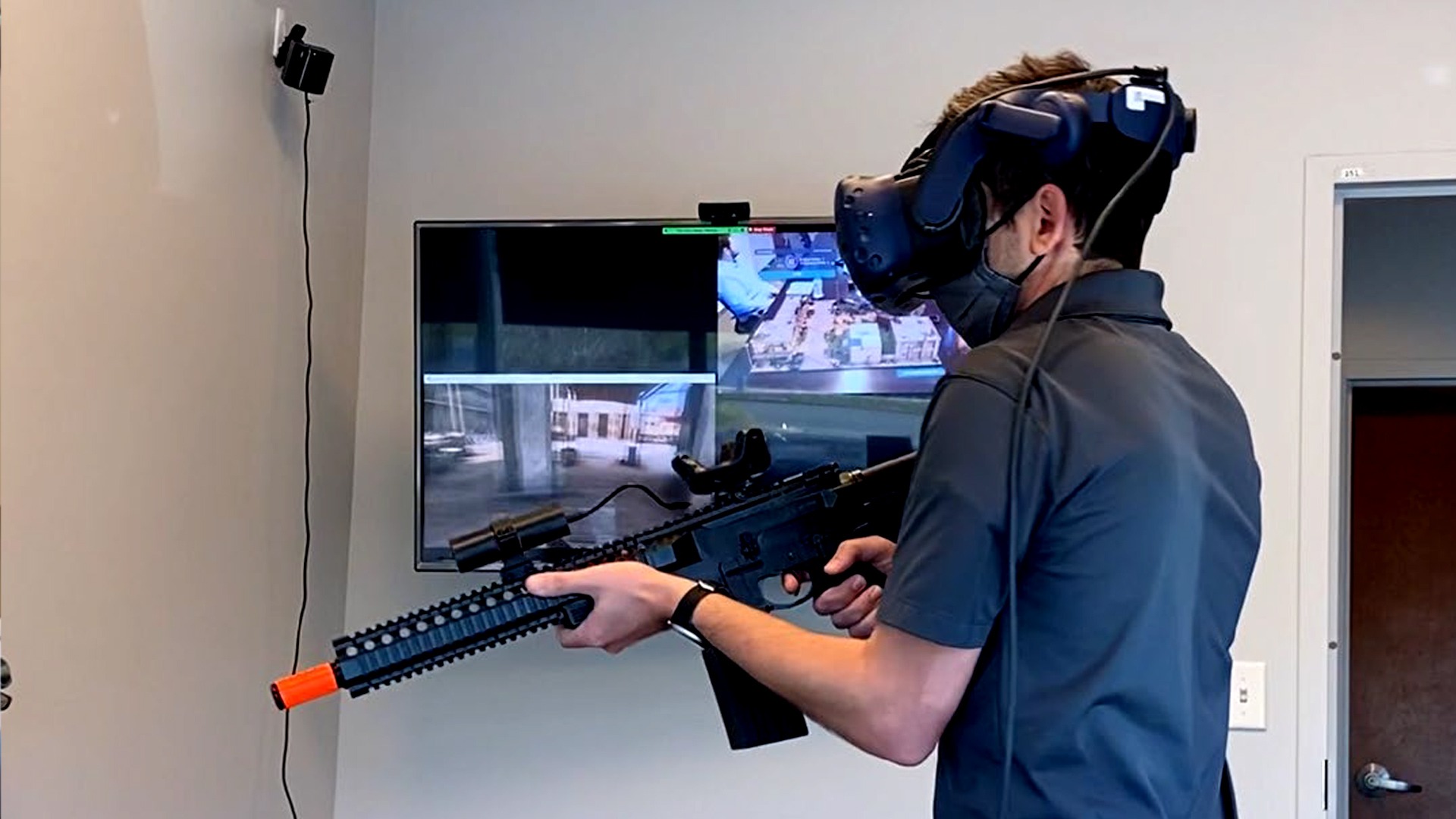
U.S. Army Research Laboratory – HRED – STTC awarded a Small Business Innovation Research (SBIR) Phase I contract for a six-month project effort titled Haptics-enhanced Augmented Reality Training System for Care Under Fire. The research and development team included Engineering & Computer Simulations, Inc. (ECS), Quantum Improvements Consulting (QIC), and VRgluv (haptic glove manufacturer).
The research team followed a nine-step process to address the research questions and to ultimately create a CUF training flow concept reflective of a systematic process for placement of immersive technologies in the CUF training curriculum. The process began with a front-end analysis to determine what training was currently available and how it had been addressed in the past. The steps allowed for a detailed understanding of CUF training and how technological application could enhance it. This ultimately resulted in our CUF training flow concept which we used to create the feasibility demonstration.
The favorable results from the feasibility demonstration supported the team’s hypothesis that optimal placement of technologies within a CUF training should be based on a systematic analysis of role-specific tasks and the identification of sensory and information intake required to make decisions when executing those tasks, rather than through arbitrary assignment or use of technology for technology’s sake. Positive statements to support the findings included “the haptic feel of the weapon is very realistic” and “this provides the ability to simulate multiple different CUF scenarios with dynamic elements to surprise/confuse/test trainee response.” Stakeholders provided insight into some challenges to consider with implementing this solution such as costs and durability of equipment, ease of use, buy-in from all users, fielding of the haptic-based weapon to training sites, and multiplayer/multi-instructor capabilities. With this new knowledge from the research, we were able to expand our knowledge of application with haptic technology which furthered our abilities in additional haptic and medical work in other contracts.

01 / 02
Past performance · Medical · R&D
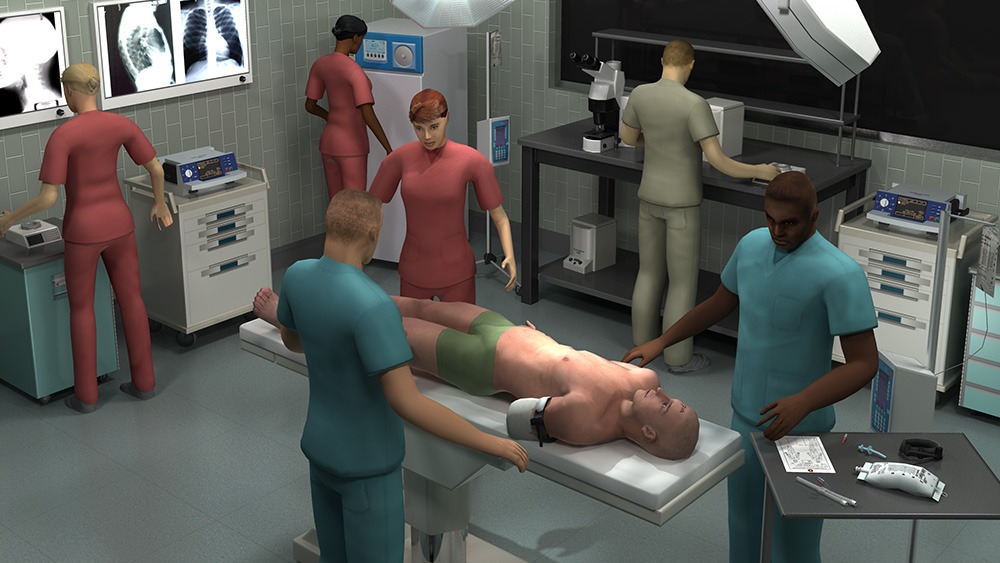
Hospital Administrative Response Trainer (HART)
Leveraging our Crisis Response Simulation (CRS) framework, ECS developed a virtual table top trainer for the hospital industry. Natural disasters such as Hurricane Katrina and Hurricane Sandy showed the need for hospital staffs and administrators to have a well-thought out evacuation plan for their patients. They also need to practice that plan amidst the demanding 24/7/365 schedules within a hospital. How do they do that?
The Hospital Administrative Response Trainer (HART) allowed individuals, teams, entire staffs, and even outside first responder organizations to practice their roles in a variety of scenarios that could affect the hospital. With all of the same benefits as CRS, HART was designed to replace the paper-driven table top exercises then in use by hospitals, which required all participants to physically come together for the exercise.
Fires, floods, hurricanes, active shooter, terrorist attacks on soft targets – each scenario immersed each role in an engaging, realistic exercise where simulated players enabled teams to train anytime, anywhere.
Features
- Hospital-centric scenarios
- Web-based enables practice anytime, anywhere
- No downloads to play, making HART IT-friendly
- Adaptive consequences based on decisions
- Based on approved standards and policies
Past performance · R&D
Jabil Manufacturing Prototype
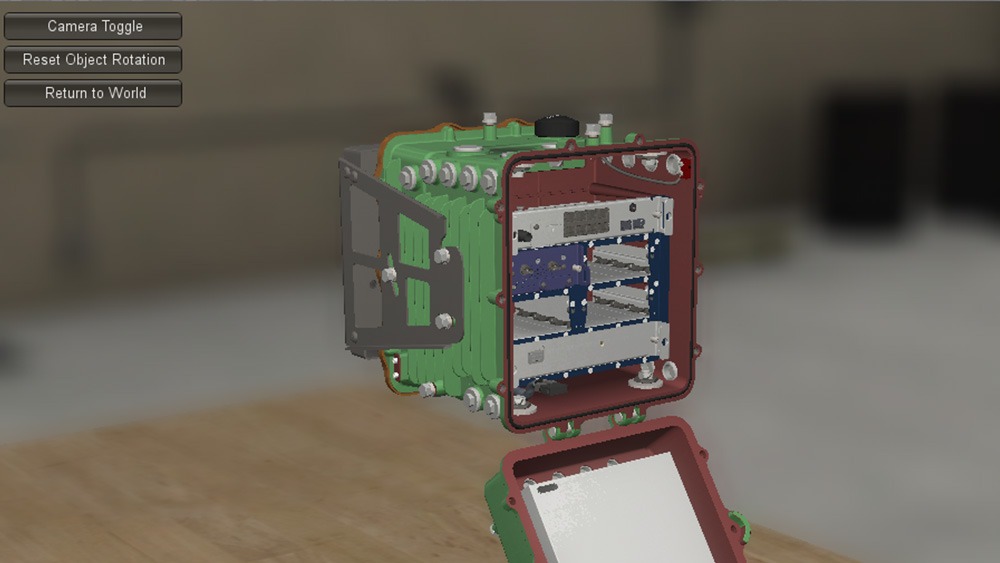
Jabil Engineering provides life-cycle engineering and manufacturing support to a diverse portfolio of business markets globally. One underlying issue of being truly global, is the need to convey manufacturing processes to assemblers/workers who do not speak English, or who may be less technology savvy. So, Jabil came to ECS.
ECS teamed with Jabil design engineers to develop a prototype simulation for multiple steps within an assembly process. The prototype used 3D simulation to show the assemblers how to follow the procedures. If a “picture is worth a thousand words, then a simulation is worth a thousand pictures”. Assemblers were able to intuitively follow the procedures without risk of misinterpreting the meaning of written instructions.
The Jabil project was an example of how ECS provides visualization for equipment, components, or physics-based processes within components. Accurate modeling provides a means to practice procedures, understand the consequences of proper or improper actions, assembly/disassembly steps, or maintenance requirements.
Features
- High fidelity, accurate models
- Working Components
- Ability to visualize 360 degree perspectives
- Contextually accurate
01 / 03
Past performance · Medical · Services
Lifeboat Project – ACT!
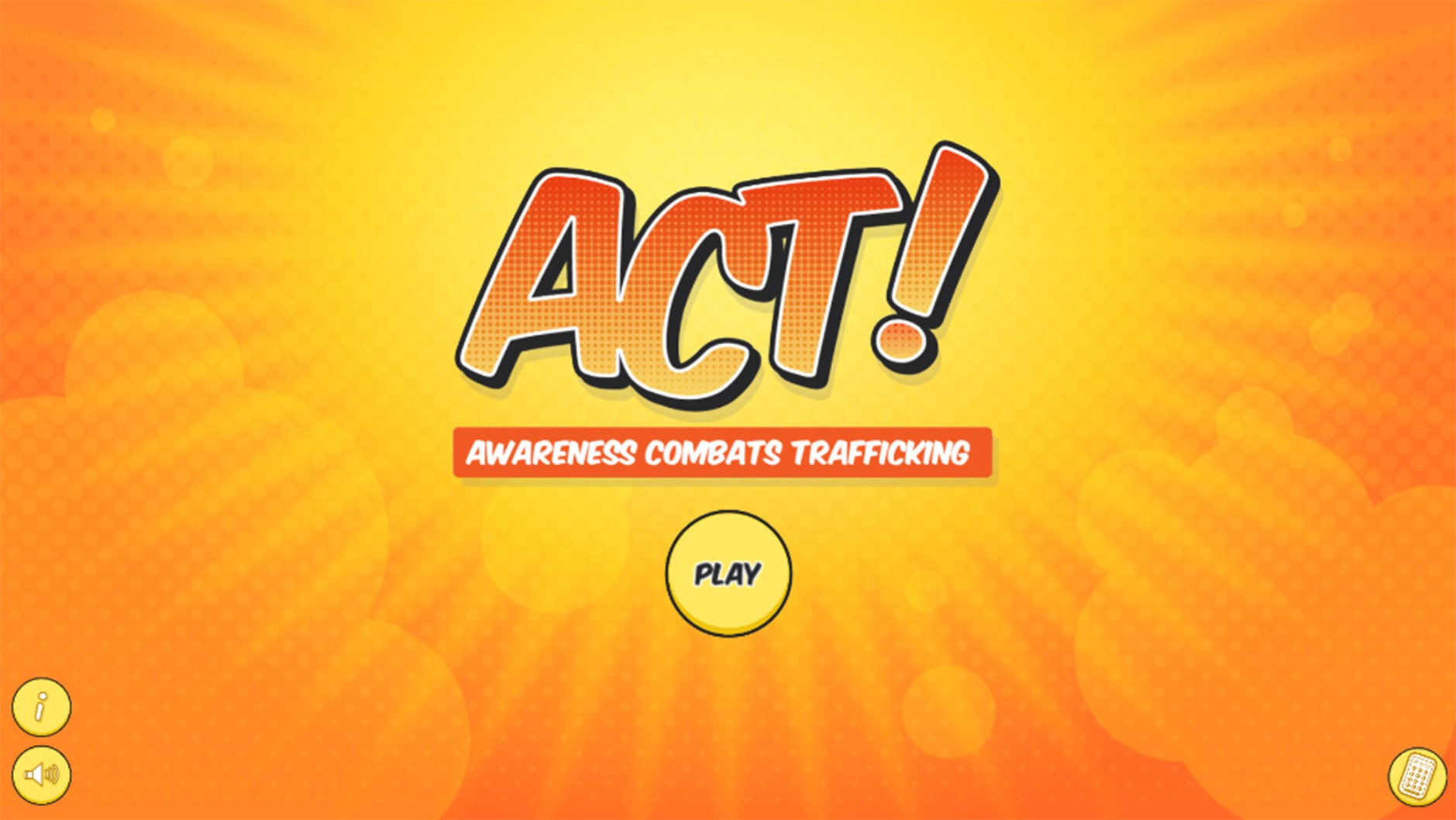
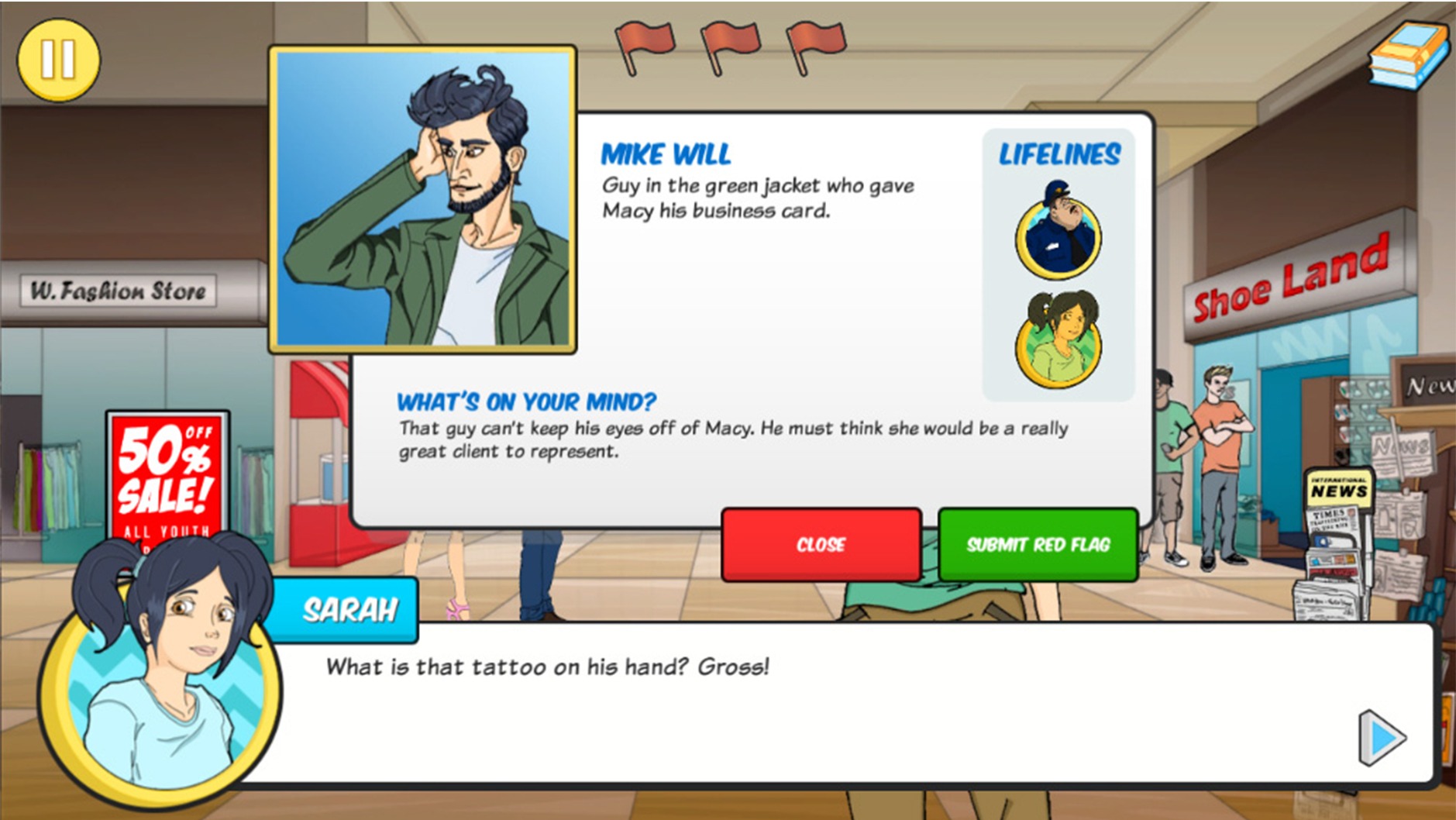
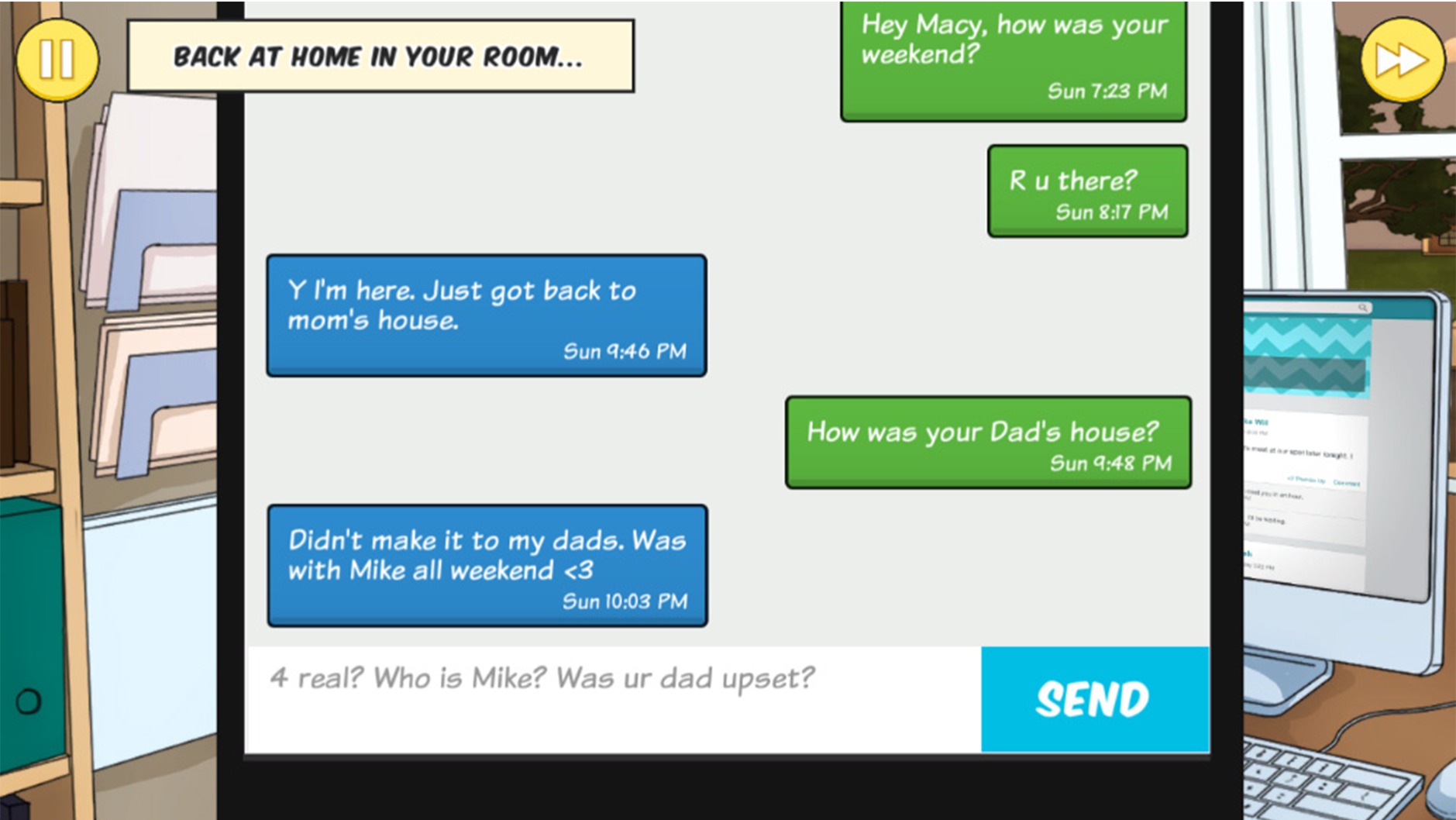
ECS and the Lifeboat Project teamed up to take action against human trafficking. Utilizing experience based on working with the Department of Defense for over 21 years, and expertise in vignette-based story-telling, the ECS team created Awareness Combats Trafficking (ACT), a mobile game to raise awareness that appealed to the highest at-risk population for human trafficking – young teens.
Running on smart phones and tablets, ACT was designed for these “digital natives”, who are estimated to spend an average of 63 hours a week on their mobile devices. The first installment of the game, Macy’s Story, presented an all too common occurrence where a young girl is tricked into being trafficked by a seemingly legitimate modeling scout. It was the player’s job, with the help of a trusted police officer and a mutual friend of the player and the victim, to identify red flags signifying that Macy may be in trouble.
ACT was presented at the Healthy School Summer Academy in Gainesville, Florida where it received rave reviews from students, educators and law enforcement officials. The goal of ECS and the Lifeboat Project was to implement this mobile game into the public education system for use in health and life skills classes and to offer it on the Google Play Marketplace and iTunes App Store.
01 / 06
Past performance · Medical · Services
Medical Modeling and Simulation Training (MMAST)
Delivering Global Training to Medical and Combat Teams
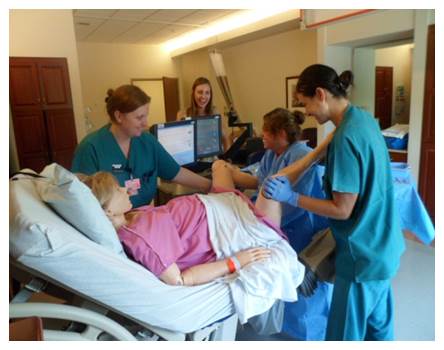
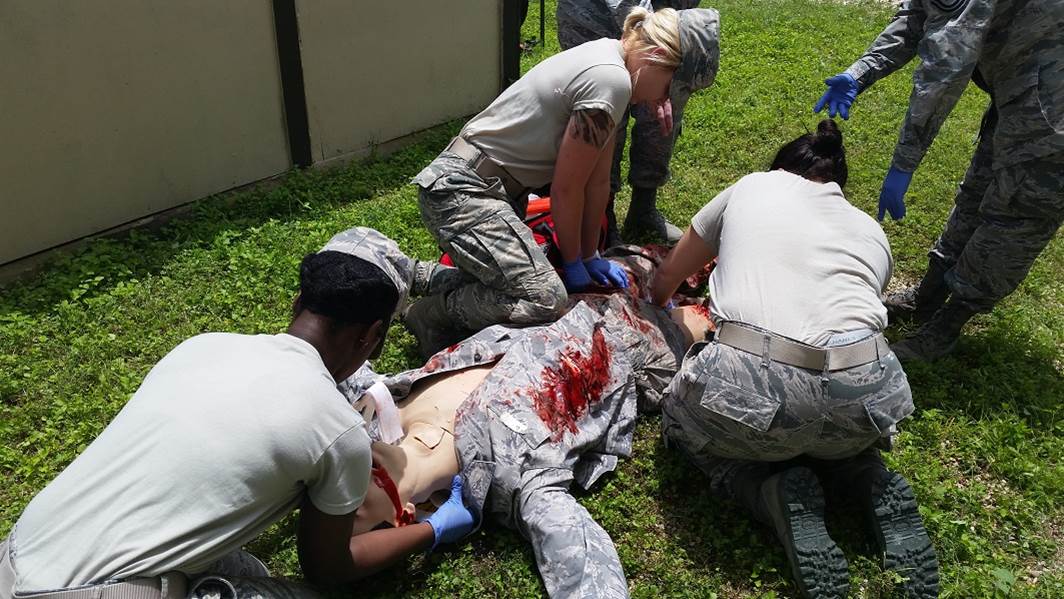
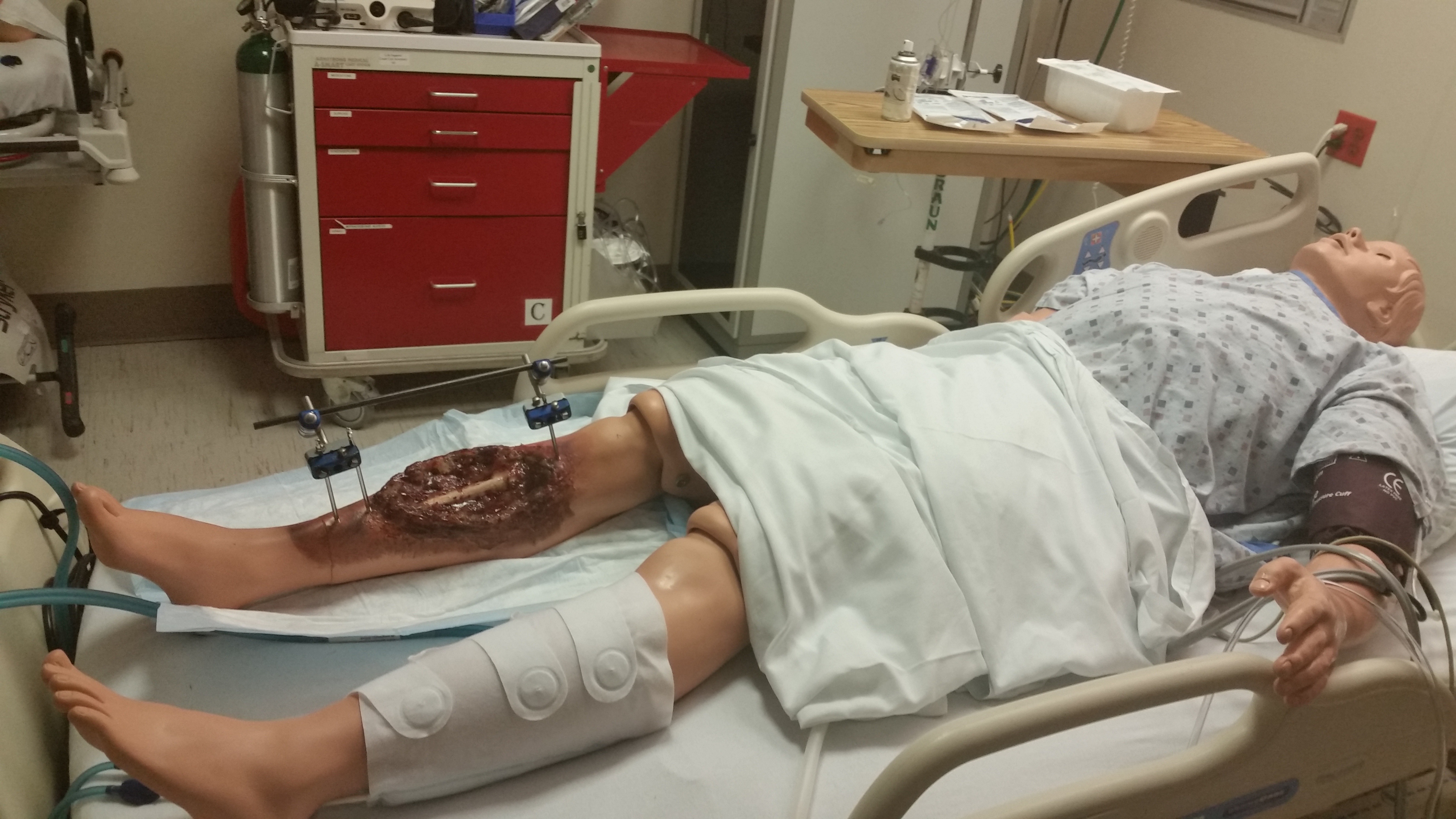
The U.S. Army’s simulation and training acquisition office, now PAE C2/CC2, expanded its Air Force Medical Modeling and Simulation Training (AFMMAST) contract with ECS to incorporate Navy Graduate Medical Education training as the Medical Modeling and Simulation Training (MMAST) program. Under this global training services contract, our team of experts provided support to the Air Force Medical Service (AFMS) and the Navy Medicine Education, Training and Logistics Command (now the Navy Medical Forces Support Command) from their co-located Central Program Office in San Antonio, Texas.
ECS developed advanced learning technologies to improve medical education and training for healthcare teams and patients to integrate the training needs of the U.S. Navy. Our experienced program management team managed contractor support at more than 46 Simulation Centers and Medical Treatment Facilities within the continental U.S. and outside of the continental U.S. (CONUS/OCONUS).
01 / 02
Past performance · Medical · R&D
Military Working Dog (MWD) Virtual Reality Casualty Care
Integrating Haptic Devices to Improve Human Performance and Training Effectiveness
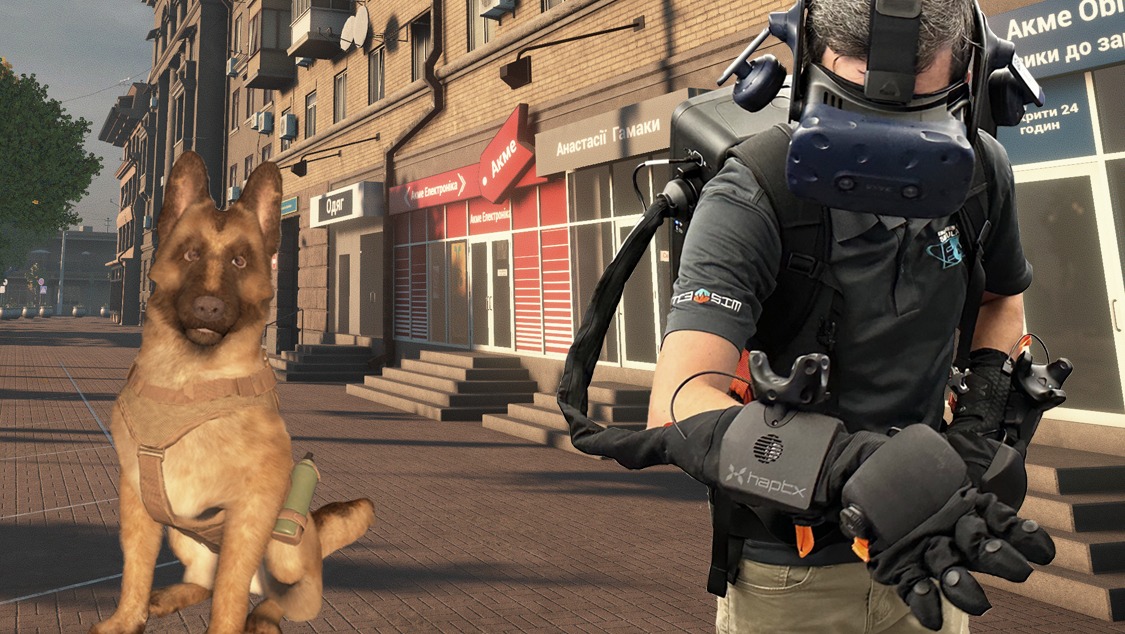
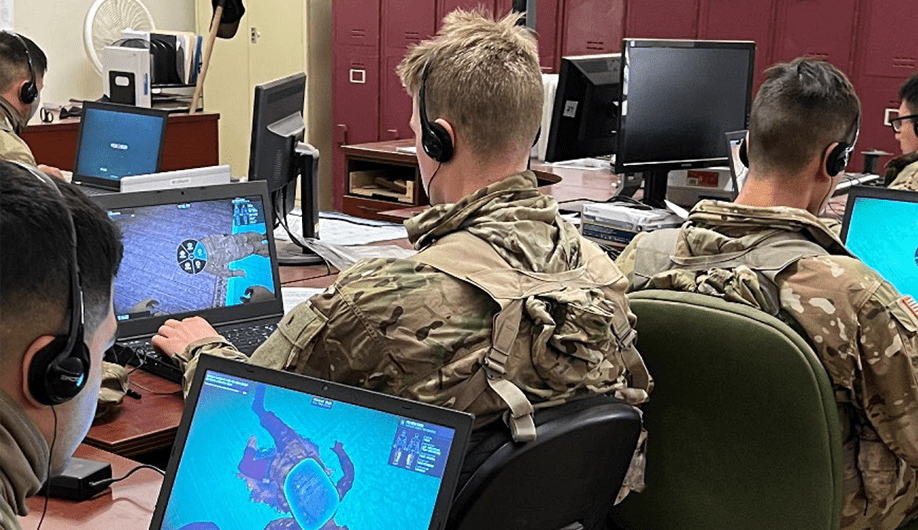
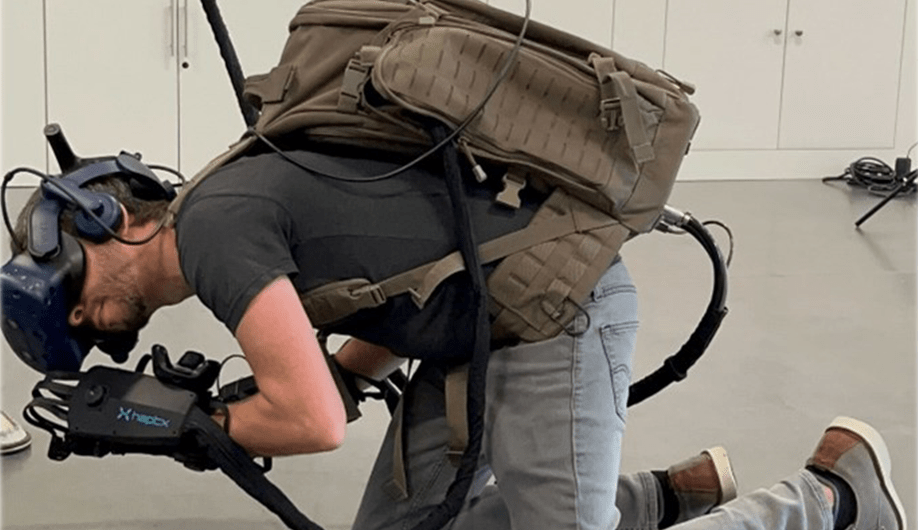
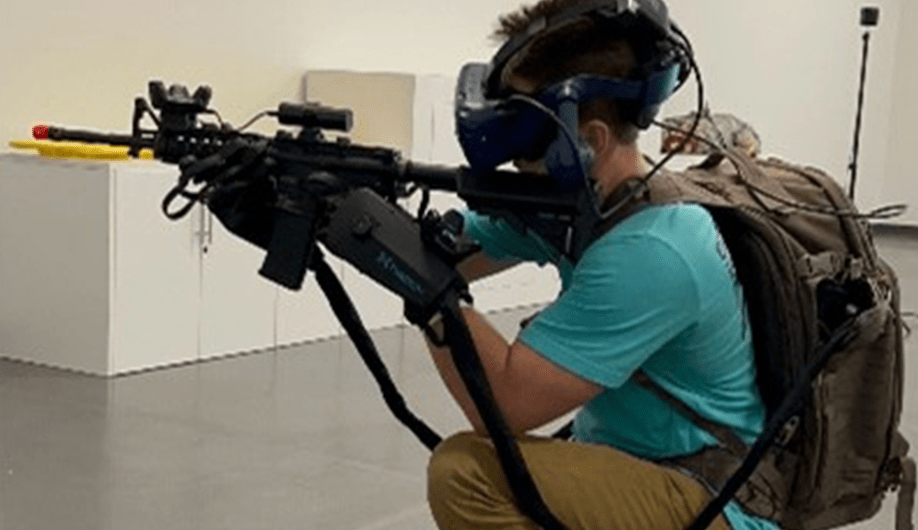
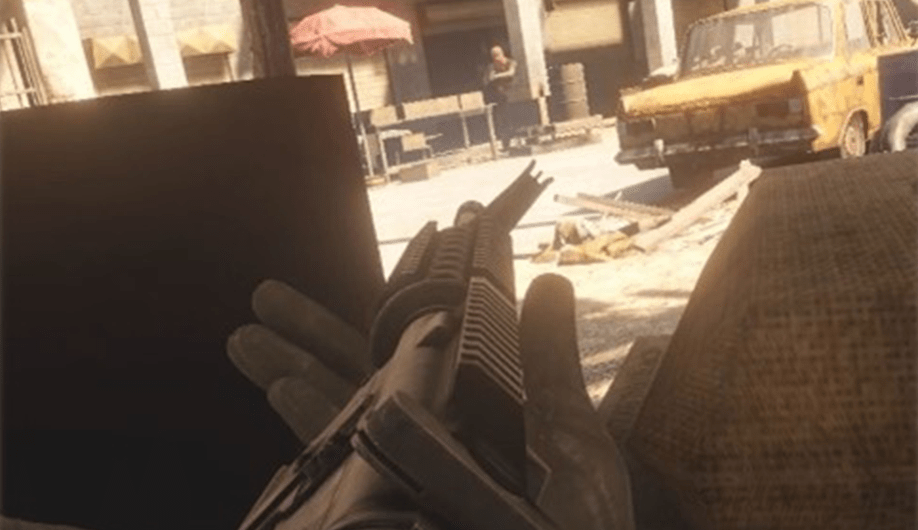
The Defense Health Agency (DHA) awarded ECS this Phase III Small Business Innovation Research (SBIR) project. The project consisted of designing and developing haptics-based virtual reality (VR) training systems to support medical-simulated training environments. This included combat medicine in the U.S. Army’s Synthetic Training Environment (STE) and expansion and commercialization to the broader healthcare communities.
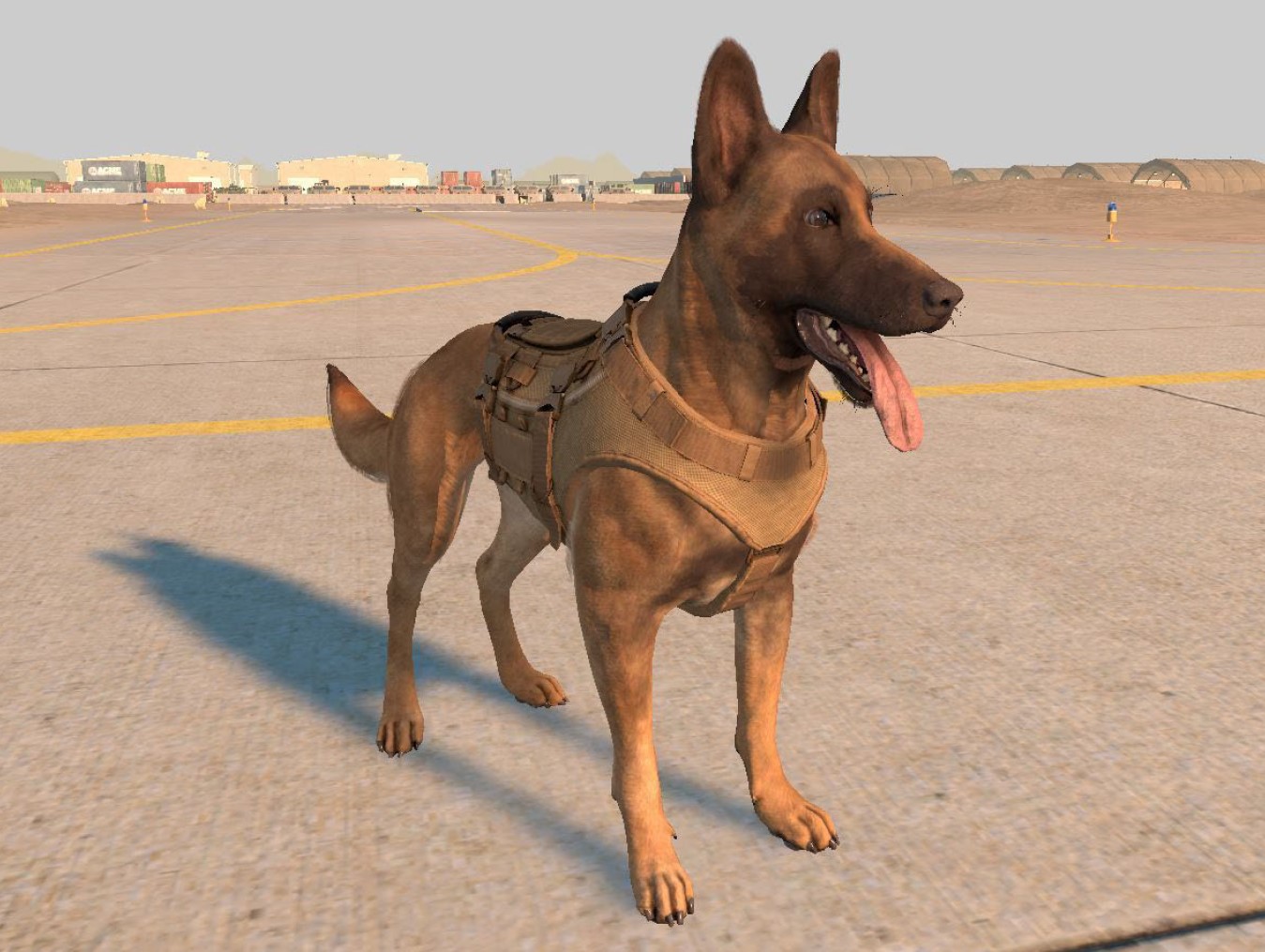
The focus was leveraging technology to train Military Working Dog (MWD) Handlers in K9 tactical combat casualty care. The aim was to recognize key behavior changes and intervene before any serious injury or incapacitation occurs. This use case is incredibly important for the safety of both the MWD and their handlers, and the technology played a vital role in ensuring their well-being. The K9 handlers were trained to perform lifesaving procedures that can help save the K9’s life. During the simulation, the virtual animal was designed to display the physical and behavioral changes that occur with each step, providing a realistic and immersive training experience. The handlers could fully immerse themselves in the simulation and use haptic feedback to assist the K9. This was incredibly helpful in training and preparing the K9 for real-life situations.
Key Features
- Multiple Breed selection
- Customizable fur color
- Integration with the HaptX system
- After-Action Review
01 / 04
Past performance · Medical · R&D
Modular Medical Environment (MME)
Testbed for Emerging Use Cases
The vision of the Army’s Synthetic Training Environment (STE) is to revolutionize United States Army training by merging live, virtual, constructive (LVC) and gaming platforms into an interoperable training experience that provides real-life immersion for combat training. Modular Medical Environment served as a testbed for integration of combat medicine training solutions and platforms, focusing on existing and emerging technology trends.
- Task 1: Assemble the Test Bed
- Task 2: Define Requirements and Establish Test Plans
- Task 3: Conduct Rapid Testing
- Task 4: Report Out on Test Data
- Task 5: Continually Research, Develop, and Evaluate Technology
- Task 6: Leverage Recent Affiliated Research Products as Use Case for Extensive Evaluation
- Task 7: Analyze and Summarize Findings for Applied Research Considerations
- Publishing Tactical Combat Casualty Care Simulation (TC3Sim) on iOS and Android available on www.tc3sim.com
- Scaling TC3Sim to multiplayer
- TC3Sim training effectiveness evaluation study at Joint Base San Antonio – Camp Bullis during the 68W Advanced Individual Training (AIT) culminating Field Training Exercise (FTX)
- Exploration of the capabilities of SenseGlove haptic gloves for Care Under Fire Training (CUF)
- Research on available haptic, XR, and physiology engine technologies and their applicability to TC3 and CUF Training
- Integration of Smart Surrogate Tourniquet with camera-based performance capture technology system for real-time performance capture of tourniquet application tasks
Follow-on work was planned to decrease the haptic technology “footprint,” simulate additional textures, and investigate both user acceptance and learning transfer.

01 / 01
Past performance · Serious games · Virtual simulation
NATO VOHQ Virtual Operations Headquarters
NATO Virtual Operations Headquarters (VOHQ)
To improve and expand the reach of operational training for all NATO forces CONUS and OCONUS.
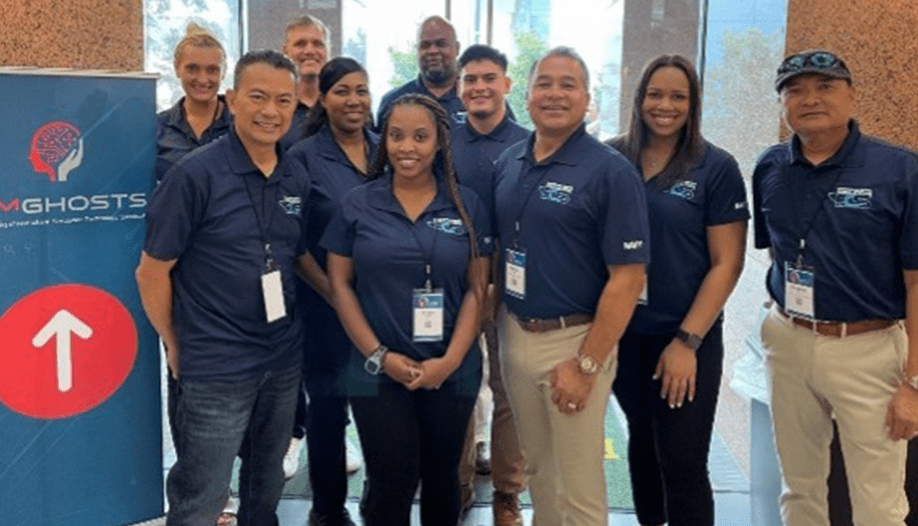
A persistent, online, virtual world available virtually anywhere at any time, NATO-Virtual Operations Headquarters (VOHQ) provided users with interactive content and resources. It provided NATO staff the capability to train together even when geographically dispersed. This function expanded the delivery of critical information and world class content to NATO staff worldwide.
The virtual environment included virtual tents representing areas typically found in Joint Operations Centers (JOC). Each tent was outfitted with access to shared databases and mappable content areas in a public collaborative space and a NATO Staff Advisor was available to answer frequently asked questions. There was a Reception tent with security checkpoint and unclassified databases; an Intel & Operations tent for private or group study, and small public meetings; and a Command tent for organized operational training and drills. In addition, there were private tents to book virtually for events ranging from one-on-one meetings to large briefings. Avatars had assigned roles with permissions to simulate real-life military ranks and access. The virtual HQ also included direct access to NATO virtual training courses and a content mapping system to display maps, documents, videos, or screen-share.
Past performance · Medical · Services
Navy Medical Modeling and Simulation Training (NMMAST) Program
Providing World-Class Training to Navy Healthcare Teams
The Navy Medical Modeling and Simulation Training (NMMAST) program’s mission is to identify, evaluate, validate, and oversee the use and implementation of new and emerging advanced learning technologies and methodologies to iteratively improve medical education and training for healthcare teams and patients for the purpose of improving overall health-related outcomes. Our dedicated team of Subject Matter Experts provided the NMMAST program centralization and standardization of simulation center operations, training, and acquisition of equipment used to support research and naval medical assets in 31 locations worldwide. The specific NMMAST services provided by ECS were focused on education, training, and Graduate Medical Education efforts that were based on NMMAST’s mission requirements and directives needed to enable the NMMAST to meet their mission critical objectives.
ECS provided technical support to design, develop, and deliver medical simulation training curriculum materials in multiple delivery modalities at Military Treatment Facilities and training sites within the continental United States. In addition, ECS provided guidance regarding enhancing the medical simulation curriculum to strengthen mission critical training for service members. By delivering strategic counsel to the Navy Surgeon General and Naval Medical Forces Support Command, our team delivered valuable subject matter expertise, cutting-edge information, and innovative medical simulation training tools. ECS has supported U.S. military service members since 1997 and brought direct familiarity to this task order. We were proud to work with the Navy to enhance its MMAST program to meet, and possibly exceed, mission critical objectives while potentially saving more lives.
Key Features
ECS provided 19 personnel in support of 16 Navy sites across the United States in the following areas:
- Program Management and Oversight
- Curriculum Execution and Oversight
- Organizational Assessment
- Simulation Program Management
- Technical Support
- Operational Training Delivery
- Course Development and Delivery
- High Fidelity 3D Immersive Simulation Environment
- Moulage Support
Past performance · Medical · R&D
Physiology Abstraction Model (PAM)
The field of mathematical modeling in human physiology has developed tremendously during the last decade and continues to develop. However, the medical simulation community faces the daunting task of creating and maintaining disparate physiology and pharmacology models across many proprietary systems.
To address this challenge in our own medical simulation programs, ECS developed a stand-alone physiology middleware called the Physiology Abstraction Model (PAM).
PAM facilitated the decoupling of physiology models from the simulation and served as an abstraction layer. This enabled the physiology engine to be centrally managed and to power multiple applications. PAM provided a standard interface and communication protocol between different components of a physiology model and any medical simulation using that model. PAM was implemented to drive casualties within VBS3, TC3Sim, and the Nexus Virtual Worlds platform.
With PAM, simulation fidelity could be tailored to each specific application by substituting body systems modules with different complexity. Medications and diseases could be applied or removed as needed by the training scenario. The result was a system that made no assumptions about the task at hand; it was a configurable physiology engine designed to support any application.
Features
- Re-usable layer of data
- Plug and Play

01 / 04
Past performance · Courseware · Serious games
Professional Education Center-ISR (PEC-ISR)
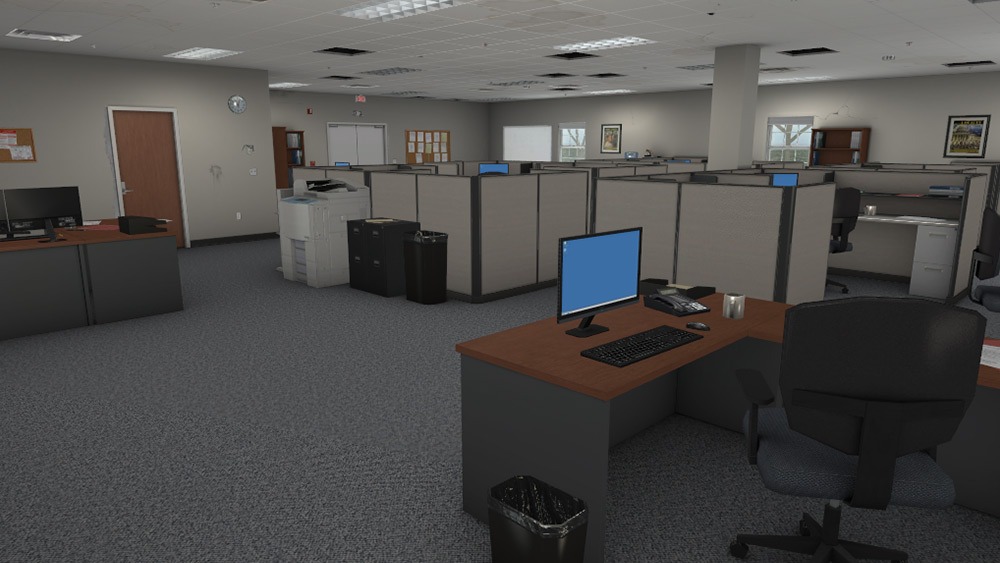
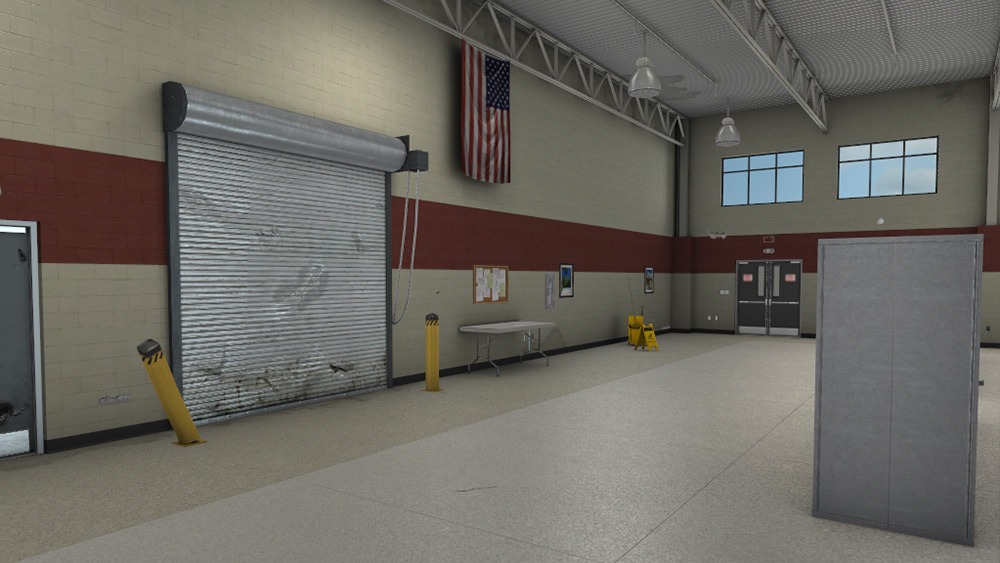
Professional Education Center-ISR brought together a Blended Courseware approach to training. The courseware and 3D Simulation was developed to facilitate both sustainment and introductory training for personnel responsible for the maintenance and sustainability of facilities throughout the U.S. Army. This product received the Silver Award in the Annual Horizon Interactive Awards.
01 / 03
Past performance · Serious games · Virtual simulation
Risk Assessment Trainer
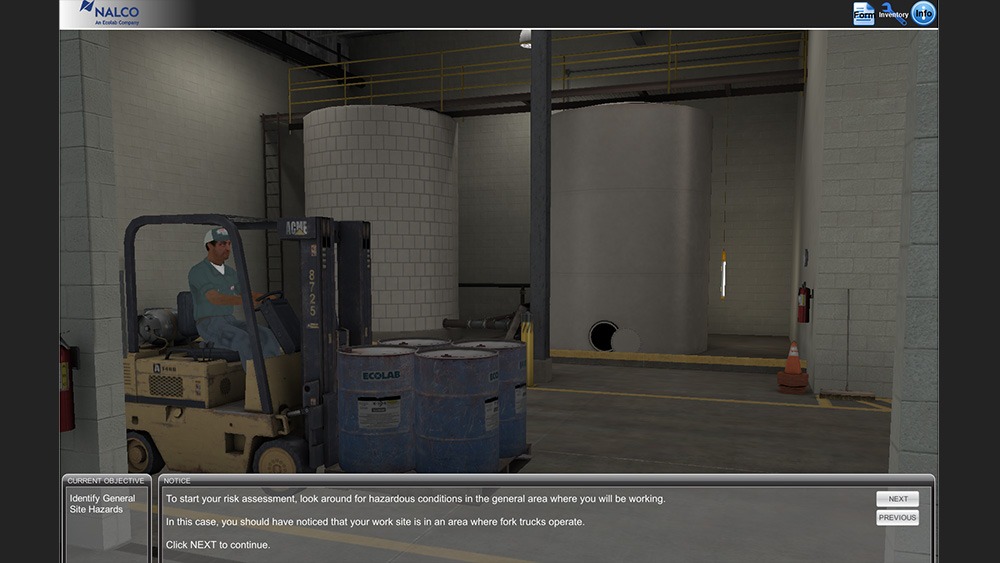
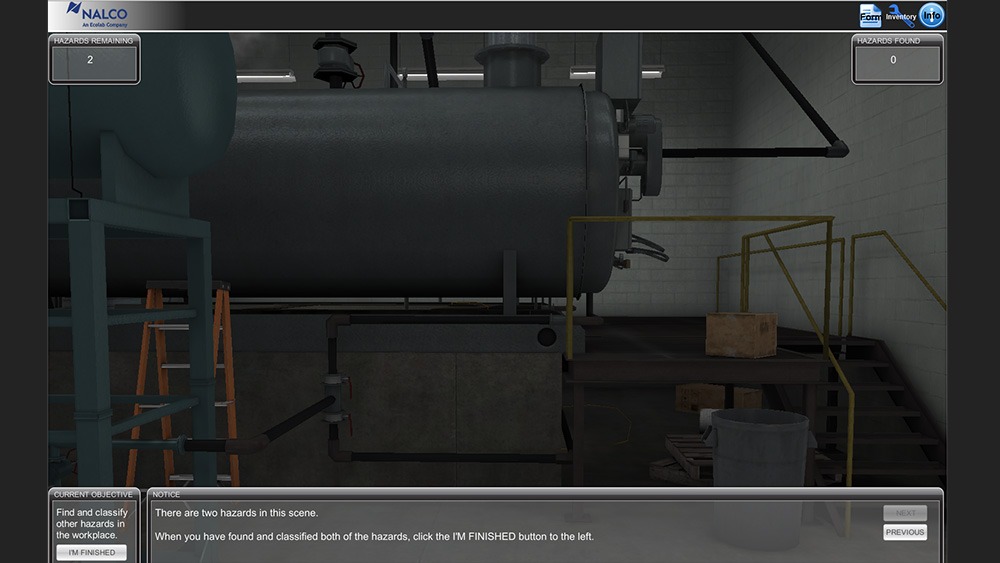
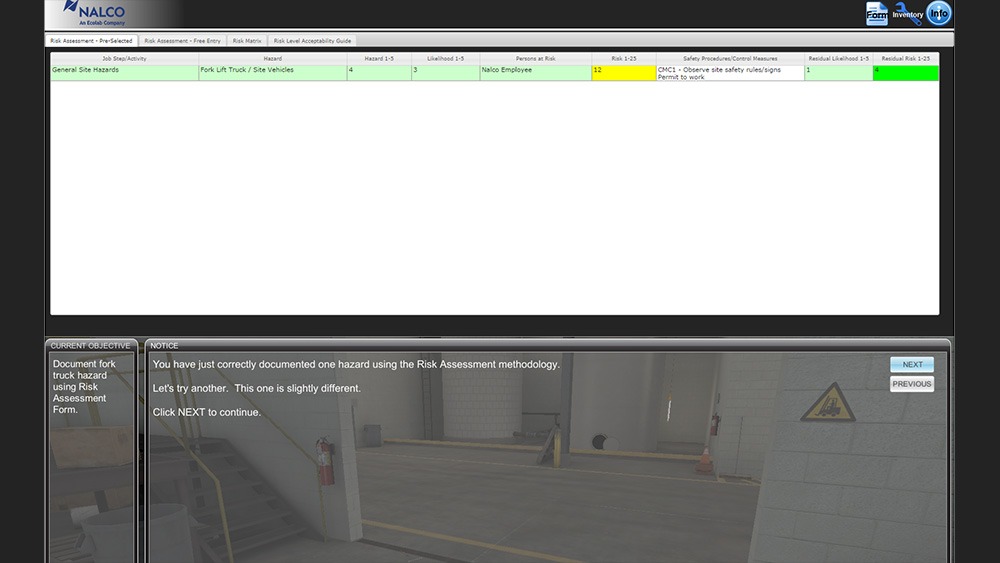
NALCO, a chemical provider for water treatment, pollution control, and energy conservation, was bought by Ecolab in 2011. During the integration of NALCO into Ecolab, it was determined that, of the two organizations, NALCO had a more comprehensive safety training program. Therefore, Ecolab asked NALCO to assist in enhancing a corporate-wide program focused initially on risk assessment/risk mitigation. NALCO turned to ECS to develop highly interactive simulation to meet a series of tasks and to augment their existing courseware curriculum.
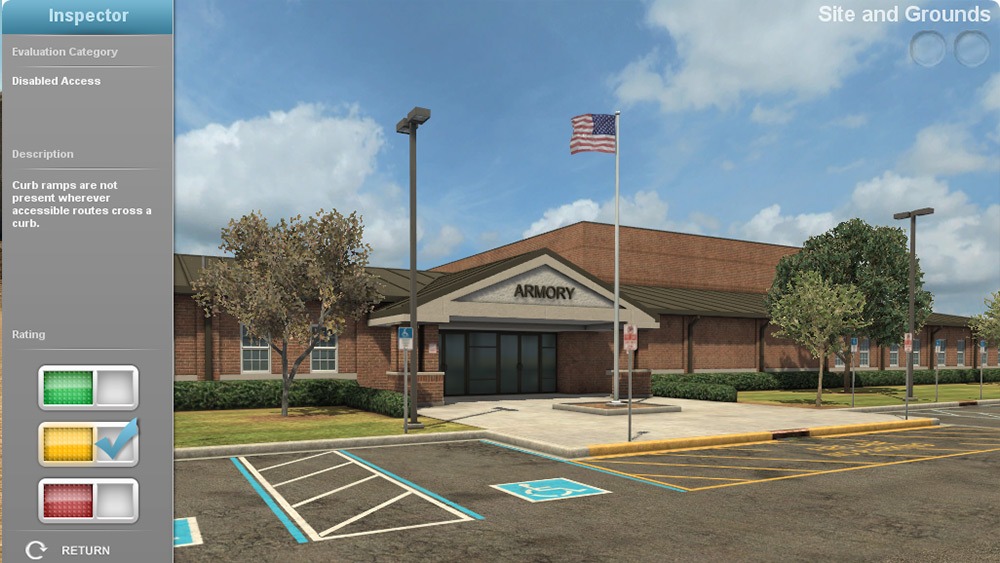
ECS worked closely with NALCO safety and risk assessment/mitigation staff members to identify those tasks that would best be suited for augmentation with 3D simulation. We created a series of 3D vignettes, and a culminating 3D simulation that not only enhanced the interactivity of the employee, but also enabled NALCO to assess all behaviors and decisions of the student within the simulation.

Past performance · Medical · R&D
SIMILE
SIMILE was a suite of performance assessment tools that allowed in-depth assessments of student performance against a defined set of learning objectives. This insight helped identify student deficiencies and provide feedback to both students and instructors.
SIMILE included a set of standards-based data models and protocols that could formally represent the complex interactions between events in a simulation and the associated learning objectives, task conditions, and standards for each series of lessons. These tools allowed teams to map simulation content to the various learning objectives a game or simulation was designed to achieve.
The SIMILE Workbench application provided a drag & drop user interface that allowed training developers to easily create “assessment models” that account for the different relationships between the student, other students, and the simulation. The Workbench provided the capability of creating or modifying assessment models without having to write code.
The SIMILE Assessment Engine listened to events defined within each assessment model, and used them to track a learner’s progress toward completion of tasks and objectives. To create the assessment models for SIMILE, we combined the tasks in a hierarchal manner to form more complex tasks, which aligned to one or more learning objectives. SIMILE then used this hierarchy to transpose tasks and learning objectives into “events” based on the operation or procedure and its associated performance criteria.
The SIMILE Assessment Engine listened to these events, and used them to track a student’s progress toward completion of defined tasks. When the actions were compared to the model, the system responded accordingly. The system recorded the student’s actions and output the recorded data, which was used to evaluate and report progress to the instructors as well as a Learning Management System, After Action Review System, or Intelligent Tutoring System.
01 / 04
Past performance · Medical · R&D
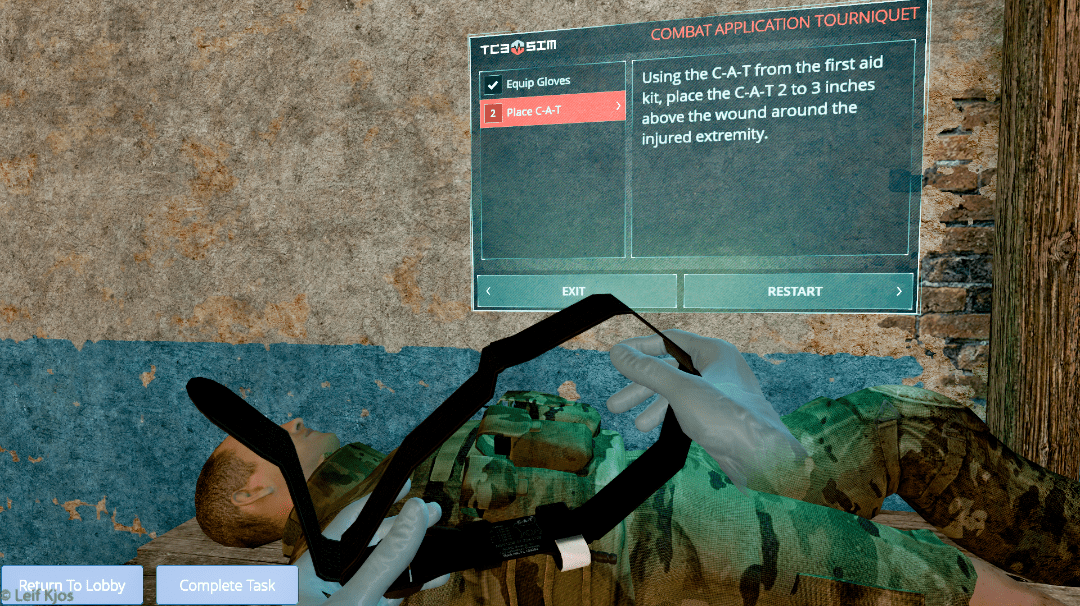
Tactical Combat Casualty Care Simulation (TC3Sim) Modernization
This multi-year project with the Army CCDC-SC STTC focused on research and development of emerging tools, techniques, and technologies that could further advance scenario-based military medical training. Since initial development of Tactical Combat Casualty Care Simulation (TC3Sim) in 2005, many technologies have become available that warranted further research to determine their applicability to training. For example, commercial game engines have become more powerful at a fraction of their previous costs. How would these new capabilities best be applied to support training and education?
A primary objective of this research was to develop and prototype technologies that demonstrate the ability to improve the efficiency for how people learn. ECS evaluated, implemented, and refined these technologies to assess their impact on learning. To establish a baseline for testing, ECS ported TC3Sim into a modern game engine (Unity3D) to expand options for delivery and future development.
This research and development also included a multi-modal study on the use of highly immersive technologies and systems, including cave environments, virtual reality (VR), augmented reality (AR), mixed reality (MR), and Haptics. By exploring enhanced TC3 military medical training in a variety of VR, AR, and MR simulation modalities, TC3Sim delivered a more comprehensive training experience with intuitive natural user interfaces combined with a realistic sense of touch and intuitive interactions.
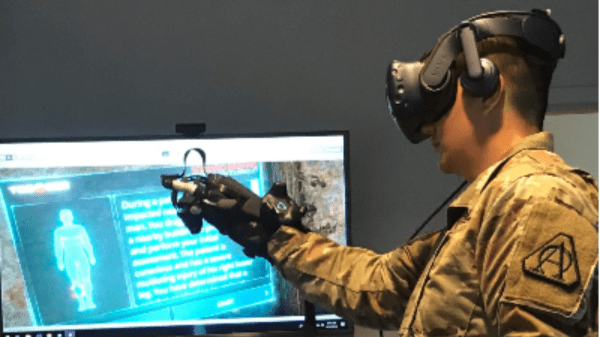
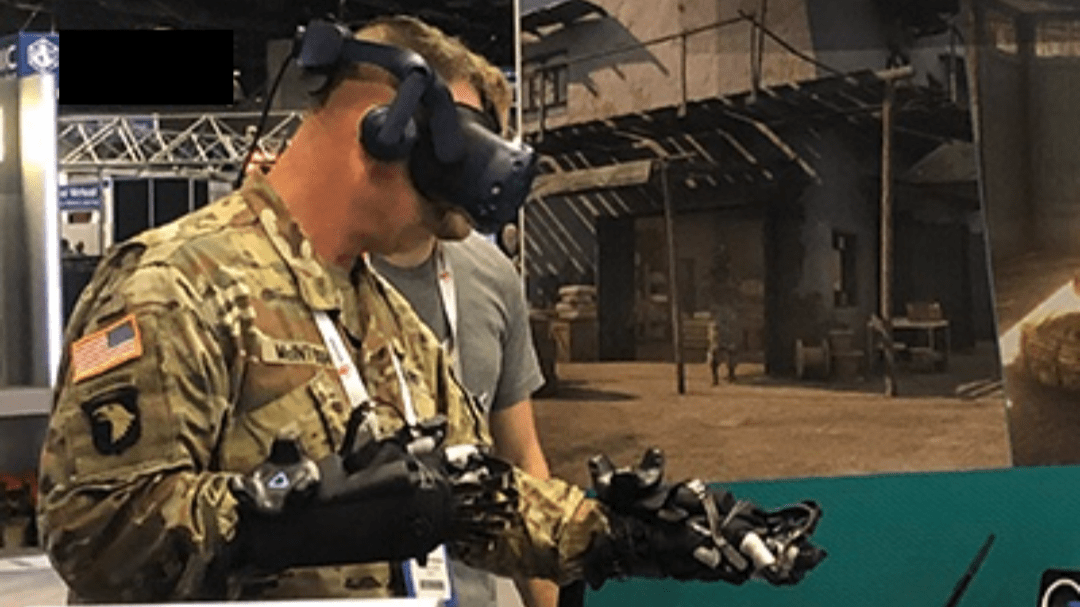
As part of this work, the ECS team developed multiple extended reality (XR) training scenarios that utilized haptics technology across a range of skill objectives and multiple hardware platforms. TC3Sim used these story-driven scenarios to teach and evaluate a combat medic’s knowledge of the required tactics, techniques, and procedures in a fully immersive virtual environment. Through the addition of haptics, Medics, Soldiers, First Responders, and healthcare professionals could interact with and feel the virtual environment. Trainees could shift their perspective from the typical VR experience of clicking a button on a controller to now interacting with a more natural approach of physically grasping an object or reaching out and touching a casualty with their hand. Trainees could bandage a wound, apply a tourniquet, and perform other highly tactile procedures while immediately feeling the surface, pressure, or resistance of their interactions. This transformational use of XR enhanced the performance of medical teams and set the foundation for extensive follow-on research toward Army objectives, including the emergence of the Synthetic Training Environment (STE).
01 / 05
Past performance · Medical · Virtual simulation
Tele-ICU
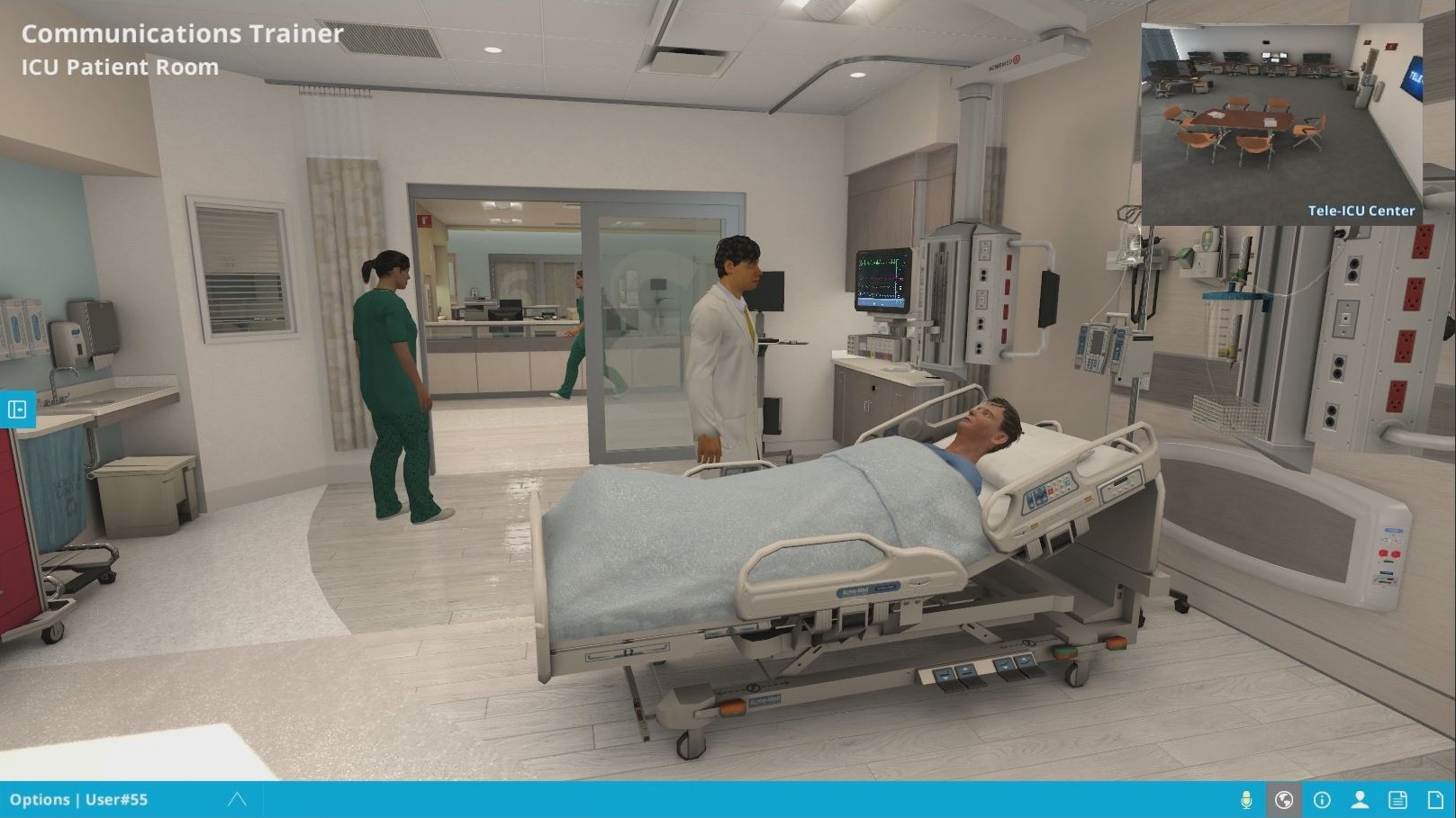
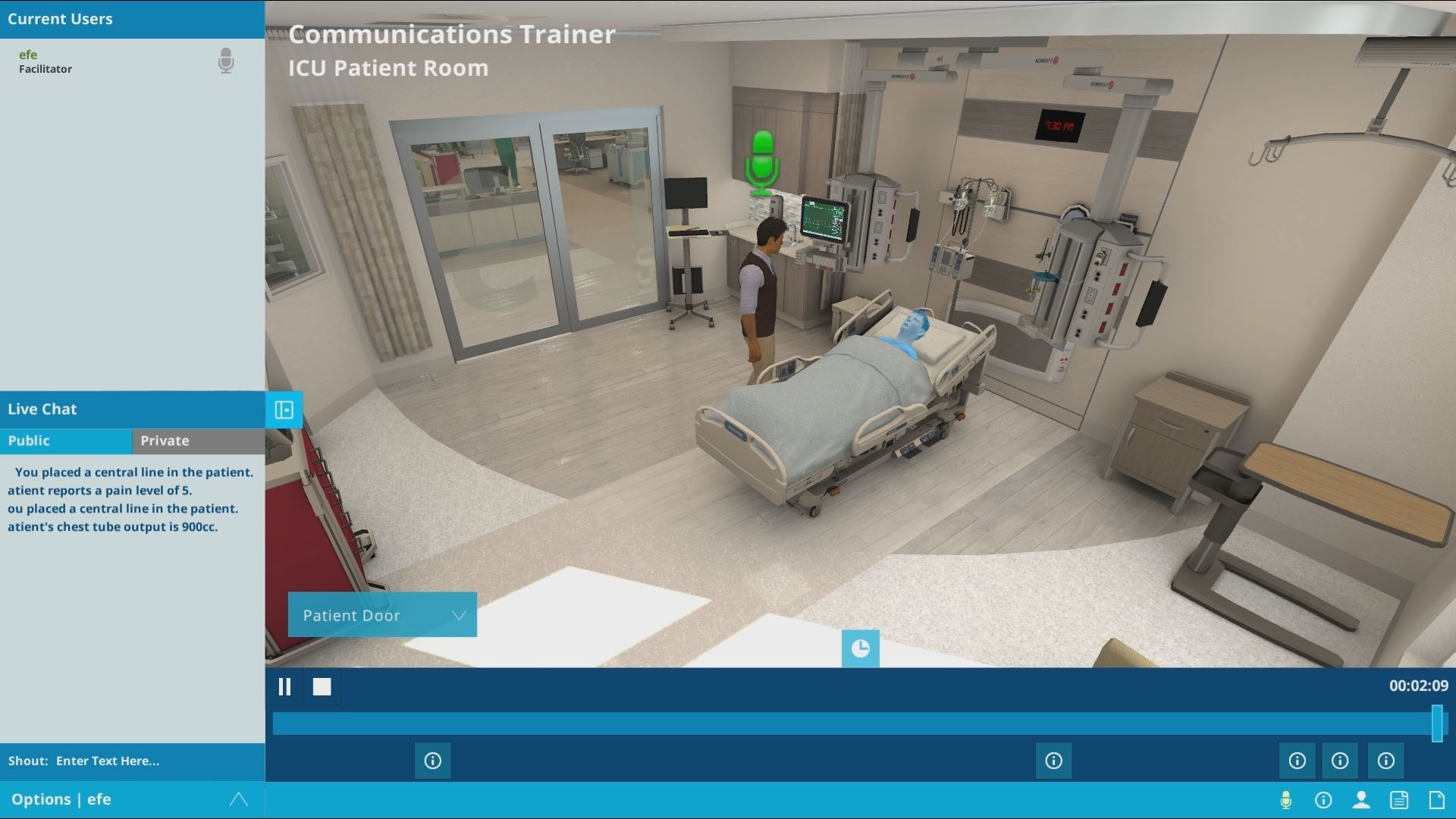
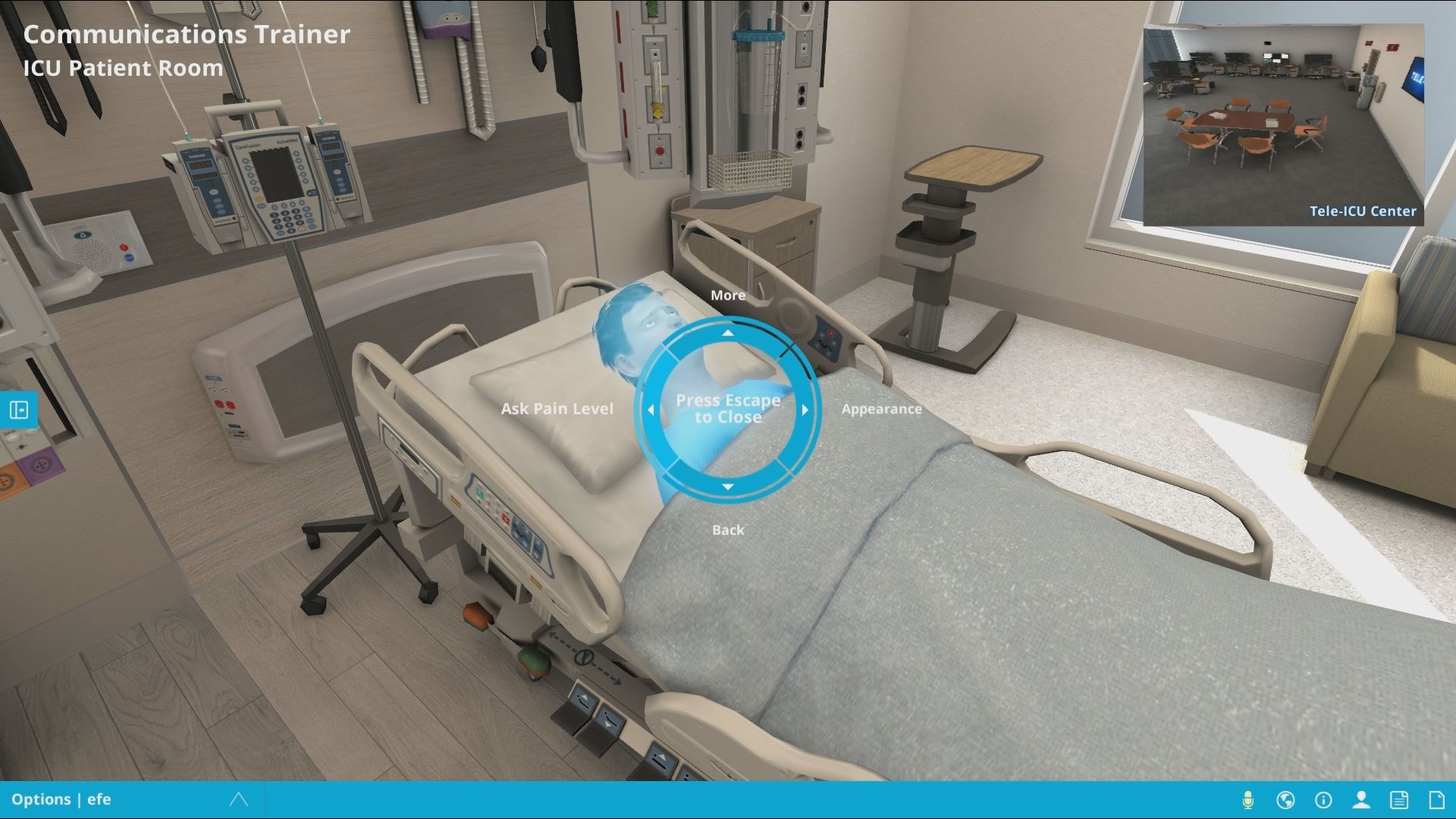
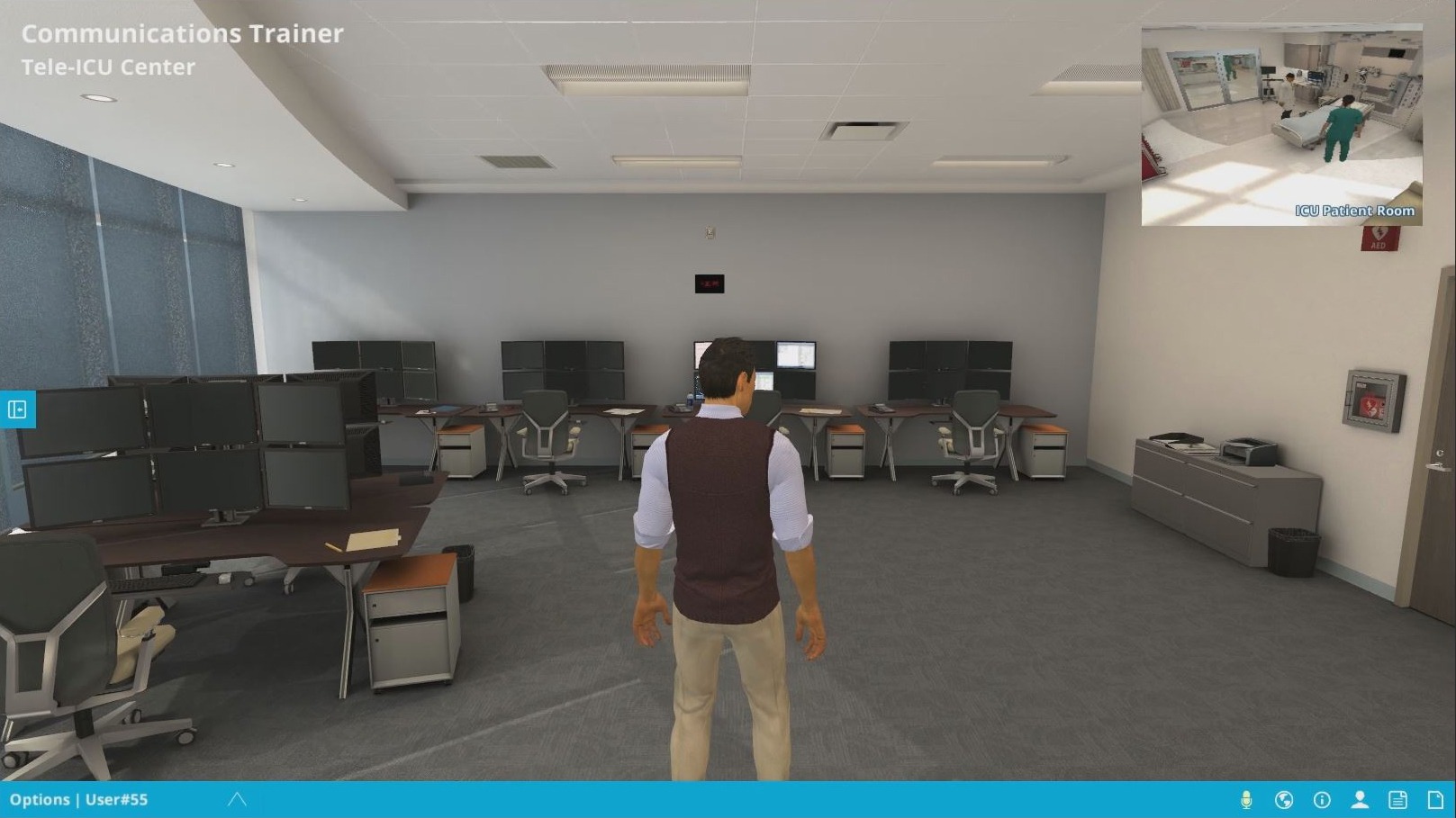
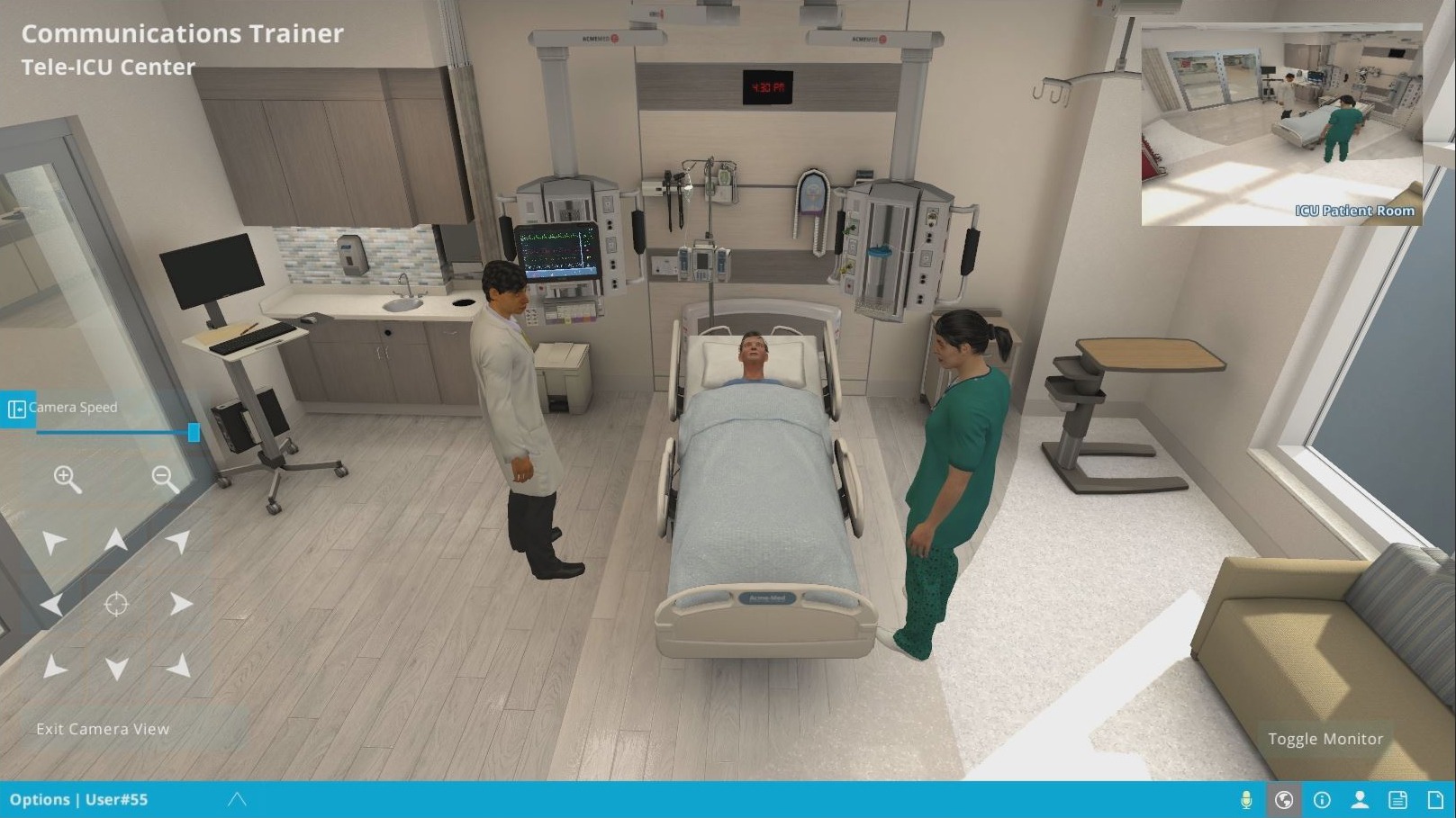
Tele-ICU was a multi-player environment designed to train individuals concurrently through team communication scenarios. The simulation focused on the complex decision making process required between bedside clinicians and remote critical care teams.
Together, teams checked patient vital signs, medications, labs, and statuses to treat the patient. Users had to respond with appropriate interventions depending on how the facilitator progressed the scenario. An event tracking system recorded quantitative exercise data, enabling replay and analysis of completed scenarios. Instructor-led collaborative feedback allowed users to analyze decisions and their outcomes.
01 / 05
Past performance · Serious games
Traffic Safety Challenge
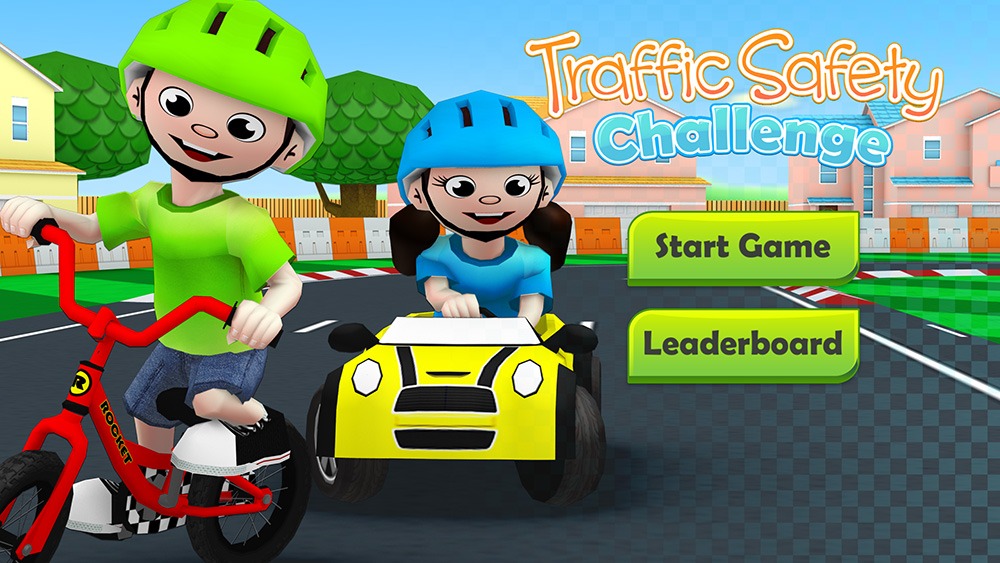
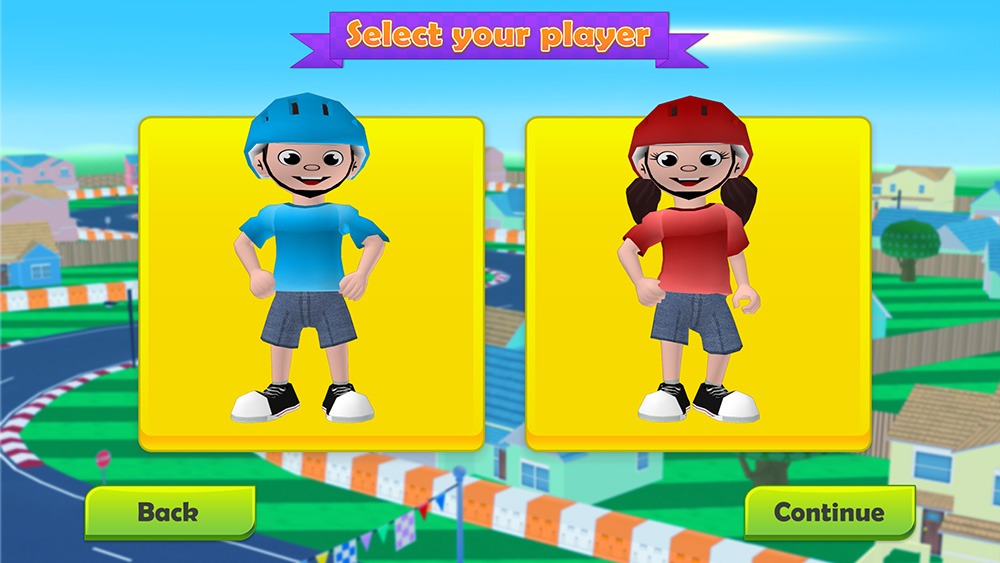
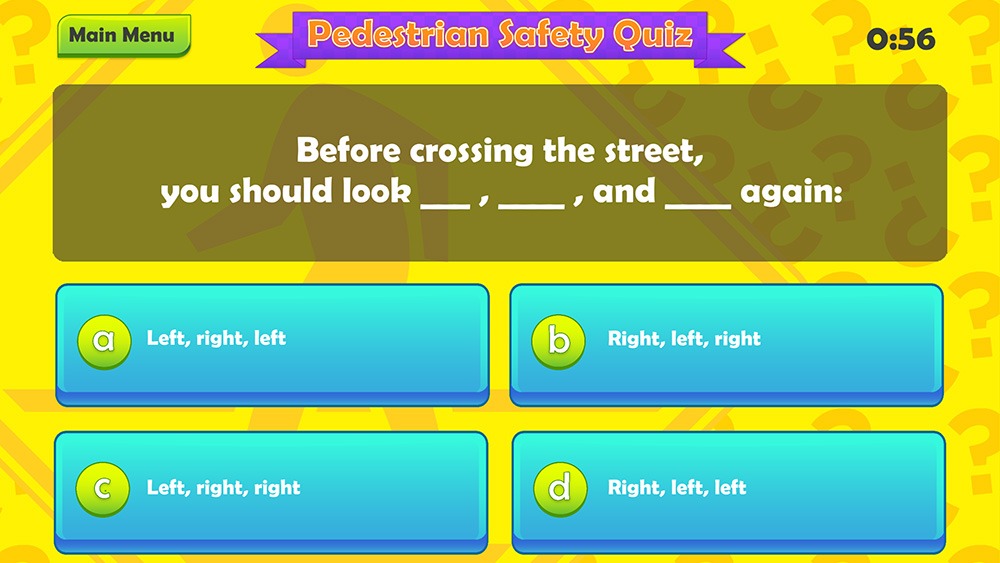
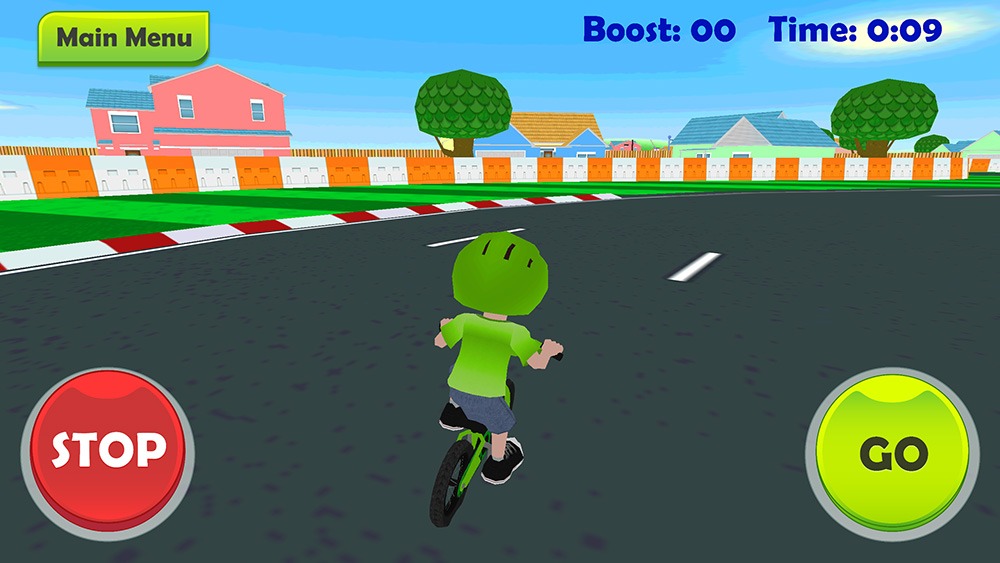
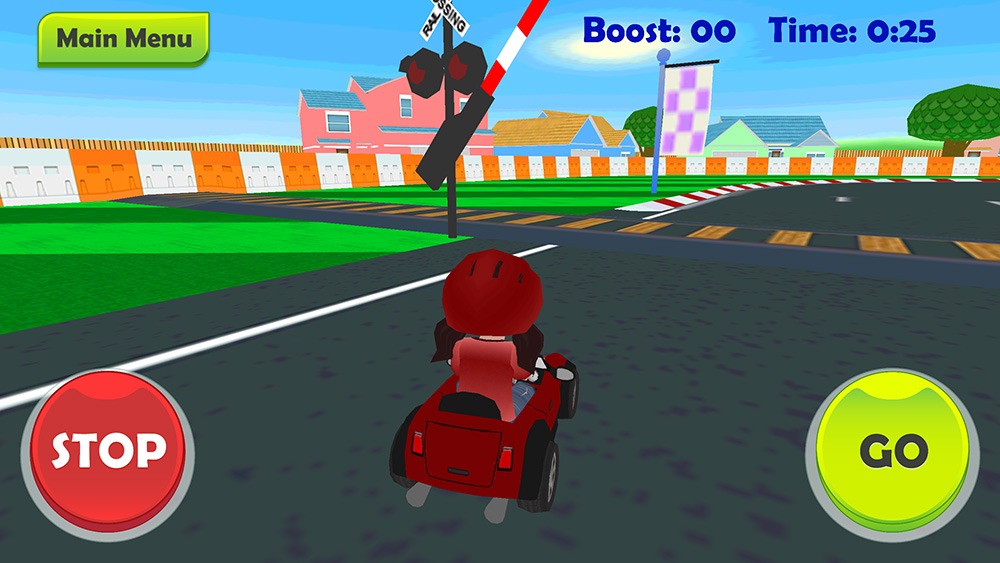
Radio Disney partnered with the Florida Department of Transportation (FDOT) for a state wide safety campaign to educate young children and teenagers the principles of pedestrian, bicycle, and traffic safety. This also included distracted driving. As part of their campaign they were seeking a digital method to augment their live events and engage their participants to learn. Radio Disney reached out to ECS to design and develop a tablet based mobile game that included aspects of both trivia and an arcade style racing game. The ECS development team helped to identify the ideal hardware platform, and finalized the design of the Traffic Safety Challenge game with the client. Working within a minimal budget and short schedule for the initial prototype, ECS was able to deliver a compelling game that exceeded the expectations of the client and was well received by the focus groups and initial fielding at live Traffic Safety events. Development continued in phases as the product grew.
Past performance · Medical · R&D
TraumaCon
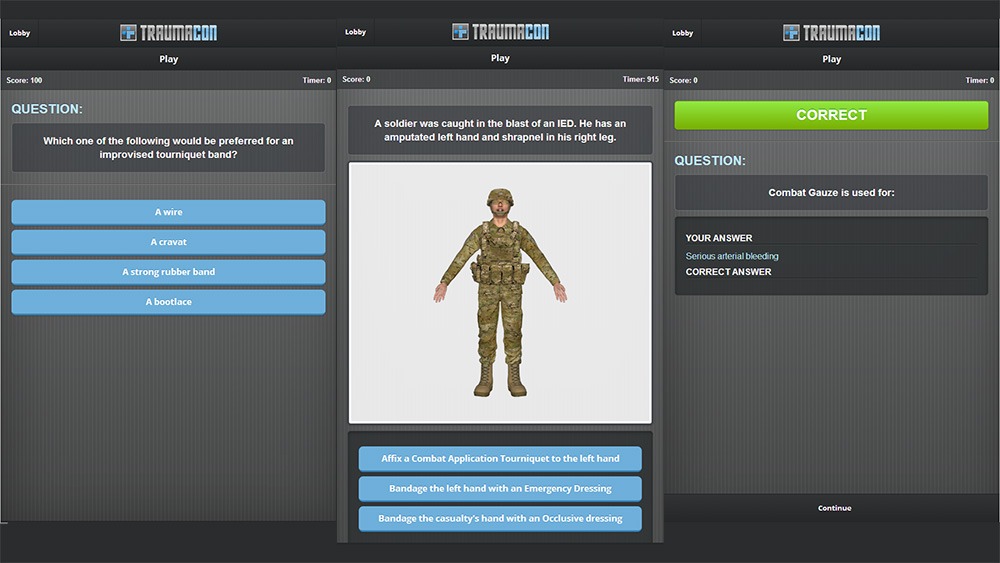
TraumaCon™ was a mobile training application that promoted student retention of Combat Lifesaver (CLS) course material. The application allowed students to independently learn or sustain skills, and was designed to be used during 5-10 minute intervals of time between existing CLS instruction. This capability augmented the program of instruction while providing students a challenging, game-based opportunity to review CLS material and sustain important skills.
TraumaCon™ consisted of two games available for a student to play, both of which could be played individually or as a group initiated by an instructor. The “Knowledge Challenge” game presented students with multiple choice questions in a trivia styled game based on the CLS curriculum. The “Casualty Challenge” game presented students with different scenarios that were based on the CLS curriculum. A student had to interact with a casualty to collect background information, and apply possible treatments.
TraumaCon™ assessed student comprehension of course materials for both games and provided immediate feedback to confirm correct actions and to notify a student when they have selected incorrect actions. Students were timed and scored based on performance. The instructor could also run reports that provided them detailed analysis regarding students’ performance.
01 / 03
Past performance · Logistics · Serious games
U.S. Air Force Air University Squadron Officers School (SOS)
Enhancing Strategic Training Solutions for USAF Officers
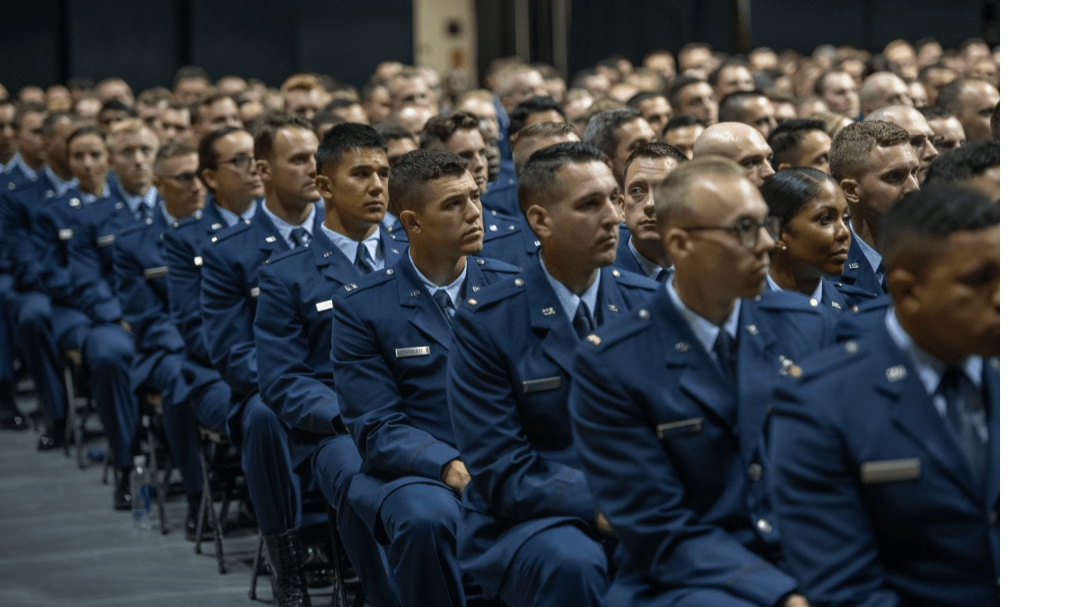
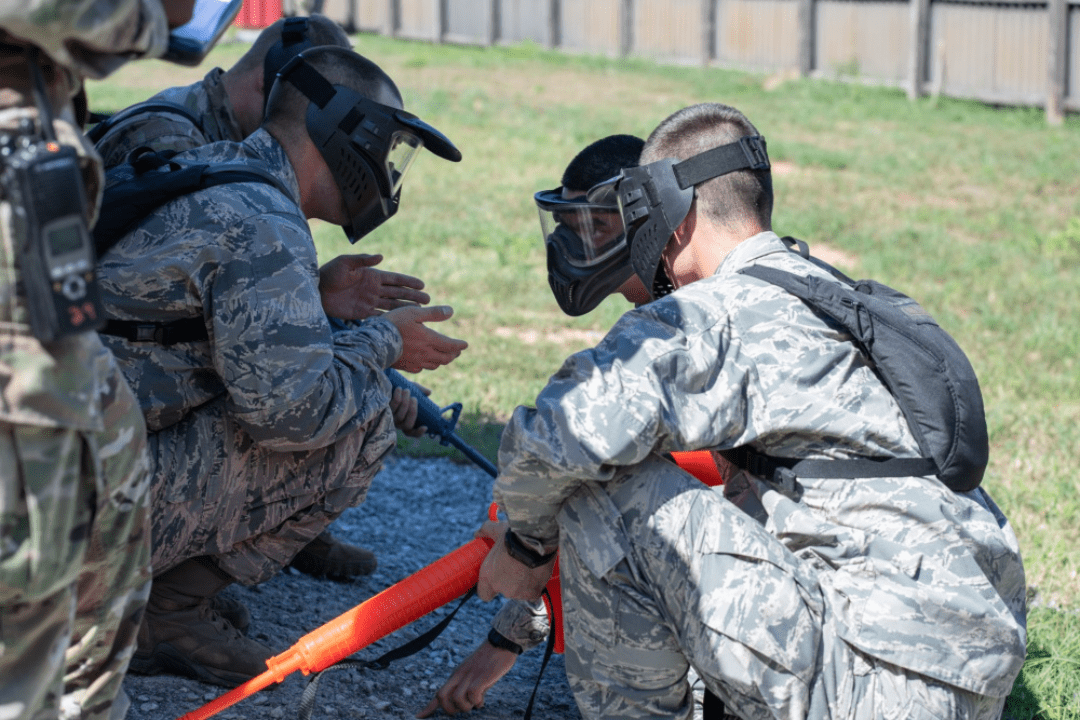
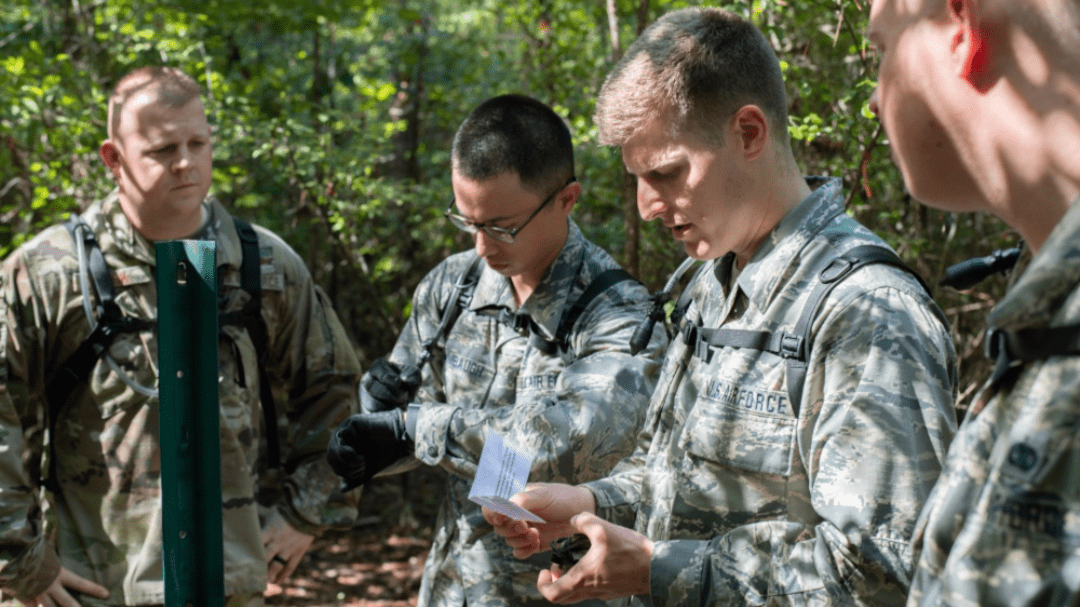
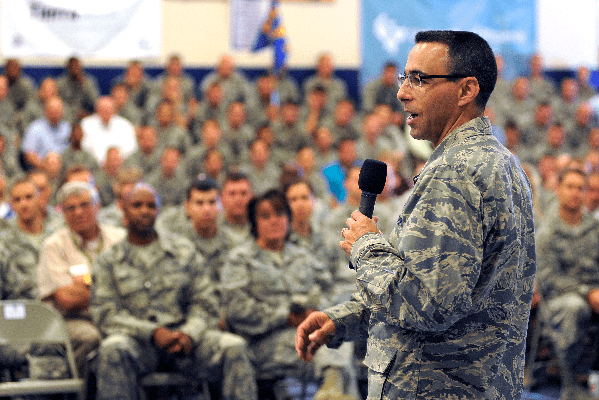
The Squadron Officer School (SOS) is a unique educational experience for U.S. Air Force (USAF) officers that helps to professionally develop solution-minded and courageous Airmen who are prepared to overcome challenges. ECS supported the SOS by developing coursework and subject matter content focusing on the areas of leadership, communication, strategic design, and multi-domain joint warfare.
Students engage in classroom and hands-on application events as well as virtual learning experiences that challenge their individual leadership awareness, foster innovative thinking, provide effective methods for conflict resolution and problem-solving collaboration. This type of training allows graduates to return to their units with the key elements of reasoning required to fly, fight, and win in today’s and tomorrow’s challenges.
01 / 01
Past performance · Courseware · Logistics
U.S. Air Force Profession of Arms Center of Excellence (PACE) Course
Providing Innovative Organic Learning for USAF Leadership
ECS provided training coursework for the Profession of Arms Center of Excellence (PACE) in support of the U.S. Air Force (USAF). This innovative project delivered organic learning and maintained the training initiatives of the Secretary of the Air Force (AF), Chief of Staff of the AF, and Chief Master Sergeant of the AF. These innovative training solutions targeted newly assigned members of the command team, such as AF Squadron Commanders, Superintendents, and First Sergeants, so that important concepts and principles are taught early and can be applied throughout their assignment.
This program included a high-level overview of Emotional Intelligence, Empathetic Listening, Team Building, and Followership. Hosted on an AF learning management system, it delivered stand-alone microlearning content, facilitator guides, and lesson plans to support an integrated multi-disciplinary solution for a Squadron Command Team Product Line. The PACE course included four 50-minute, online lessons, reinforced with additional stand-alone microlearning content that can be used following the initial course. Utilizing a structured framework, each of the lessons taught the necessary skills to inspire, change mindsets, motivate, and educate squadron leadership.
This type of project-based learning allowed the squadrons to train to their highest potential in order to successfully perform their missions throughout the world.
01 / 05
Past performance · Medical · Virtual simulation
Veterans Affairs Virtual Medical Center (VA-VMC)
Serving Veterans with State-of-Art Technology to Provide Accessible Healthcare Services
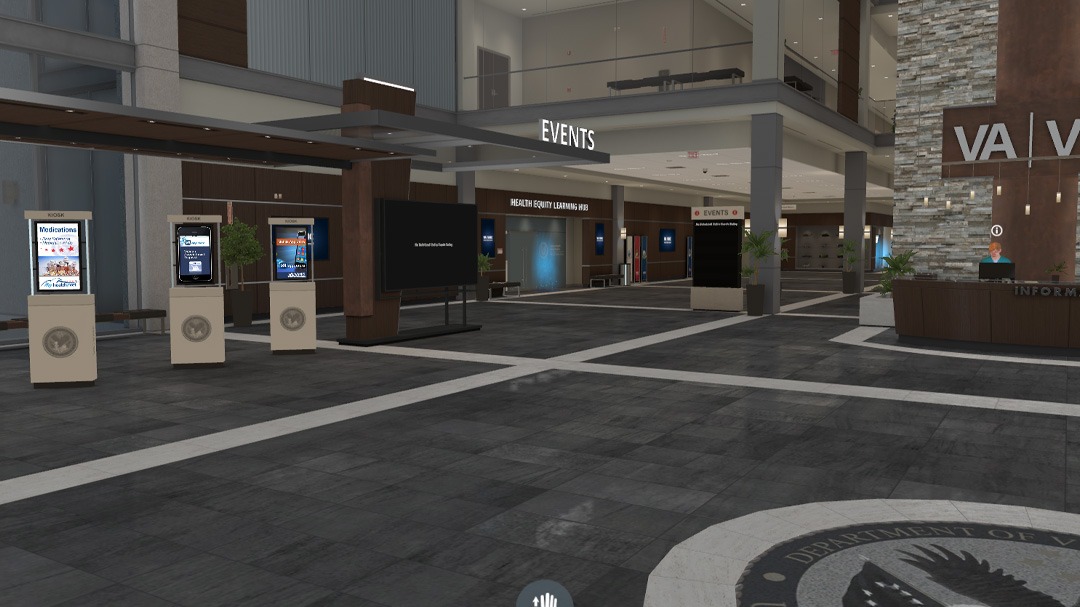
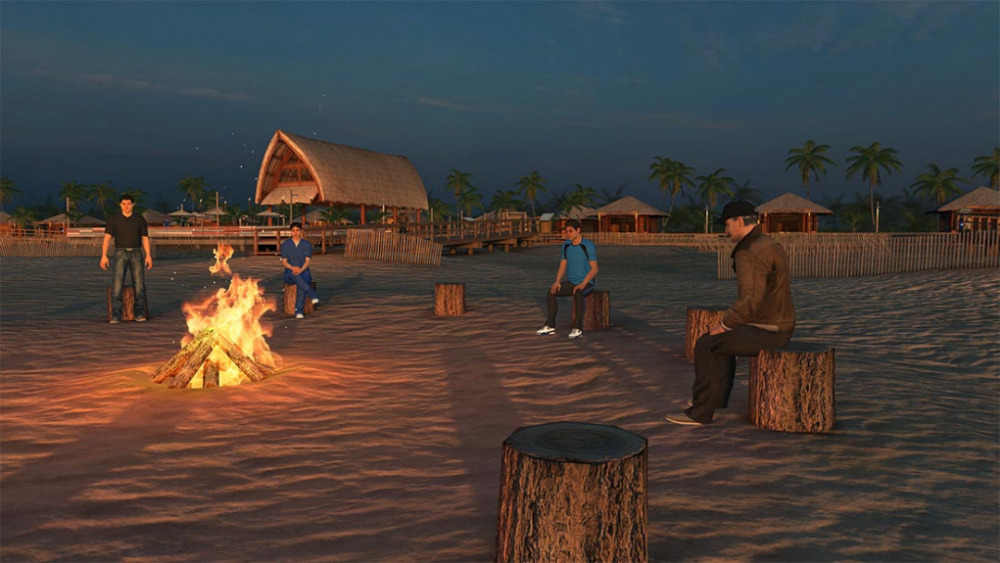
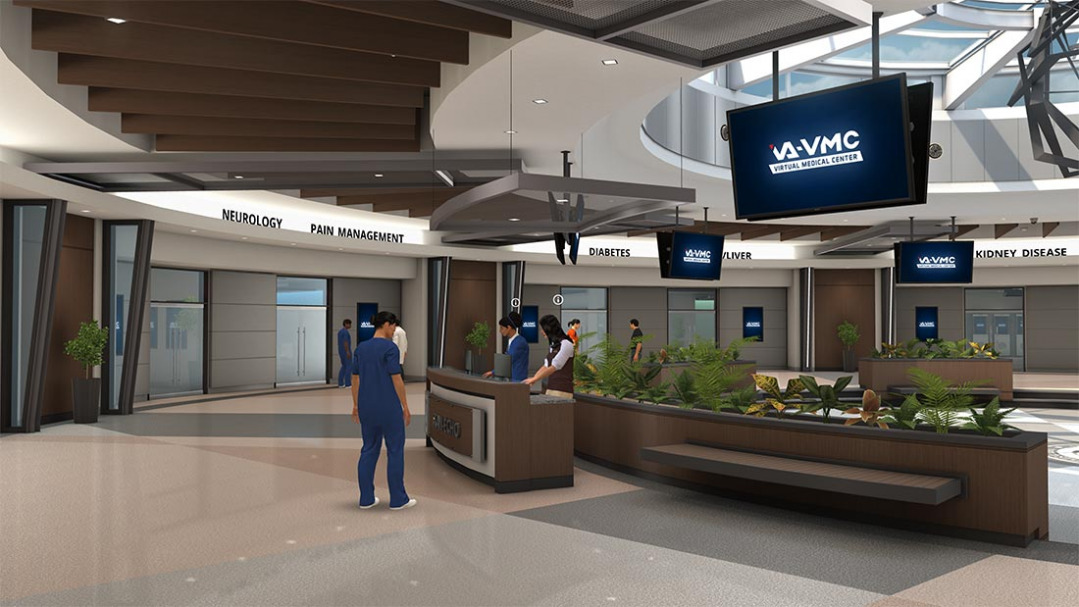
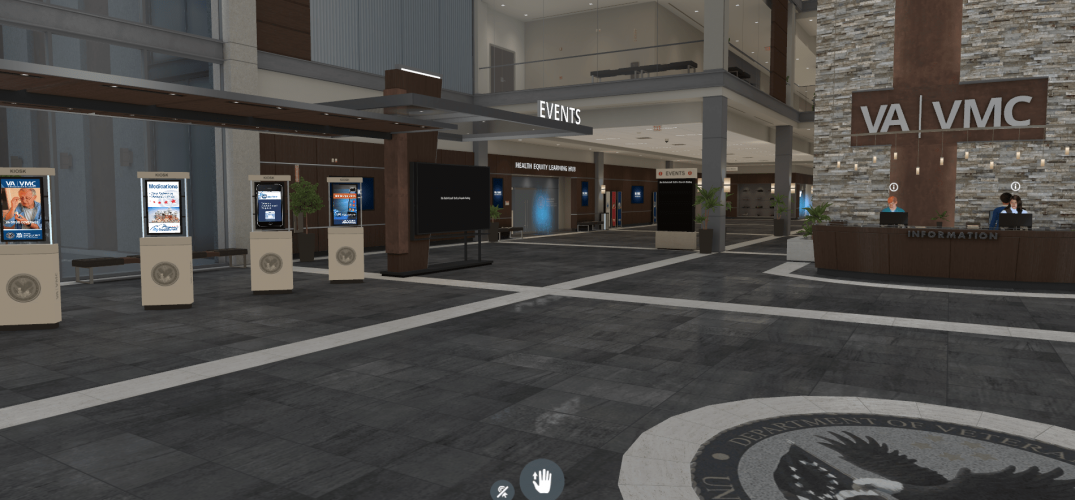
The Veterans Affairs (VA) Virtual Medical Center (VMC) was a continuously available virtual environment accessible to Providers, Veteran Patients, and their family members. It provided Veteran Patient access to validated medical materials and resources, improving healthcare information by connecting healthcare professionals and patients in a truly collaborative environment. Additionally, it provided VA Providers access to specialized medical reference materials and offered them a venue to communicate and collaborate in effective new ways. The VA-VMC provided two-way, real-time communication and care through meetings, scheduled events, conferences, and Virtual Medical Assistants. Specialized clinics were available to focus on the health issues that are of special concern to veterans. There were also Cybraries, Education Centers, and kiosks for any user to easily access a huge library of VA services, education, training, research, and wellness information. This geo-typical medical center improved accessibility, offered convenience of care, and met the growing demand for affordable health care services for U.S. Veterans who may be located anywhere throughout the world.
Key Features of the VA-VMC included
- Range of Environments – Multitude of environments to reflect clinical and non-clinical settings
- Content Management System – Integrated content management system allowed the VA to easily store, share and manage the VA curated and vetted content used in the virtual world
- Scheduled Meetings – Schedule public and private meetings that include presentations, screen sharing, and document sharing
- Massively Multiplayer – Capacity supporting up to 1,000 concurrent users, scalable to more with zone instancing and load balancing
- Conferences and Events – Schedule public or invitation-only conferences and events in conference rooms, auditoriums, or custom-designed facilities
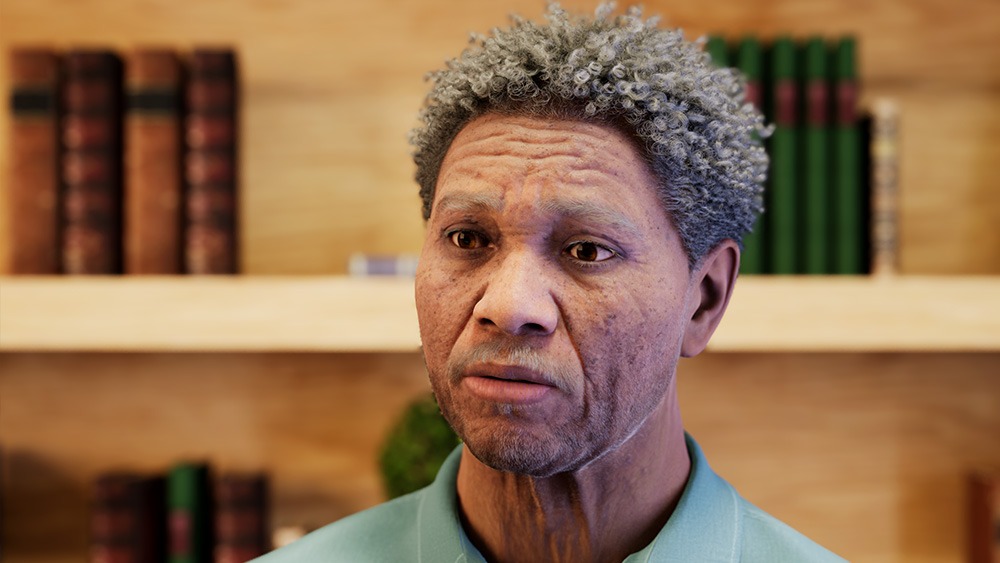
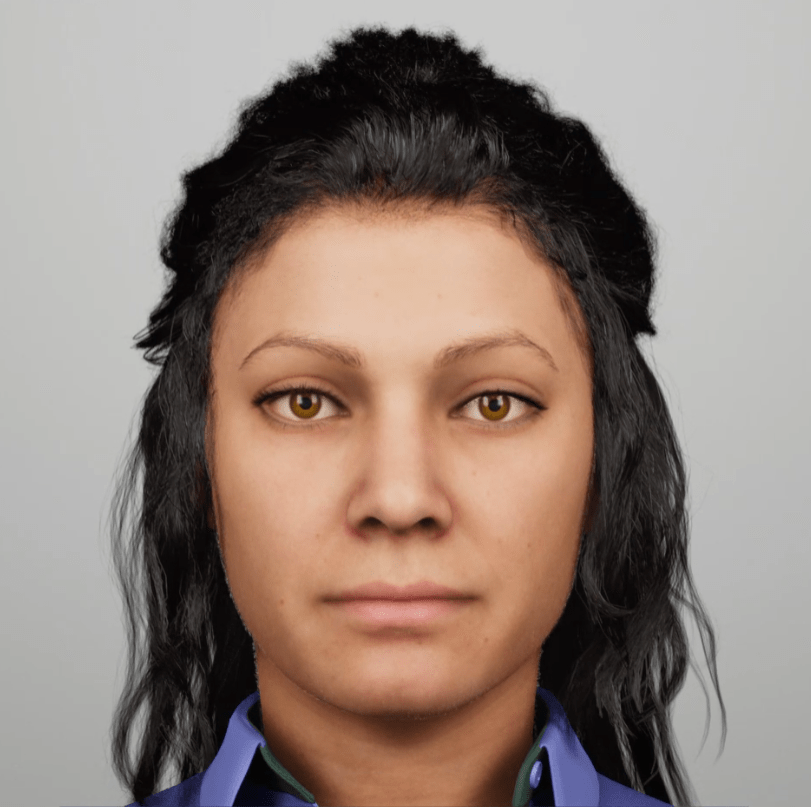
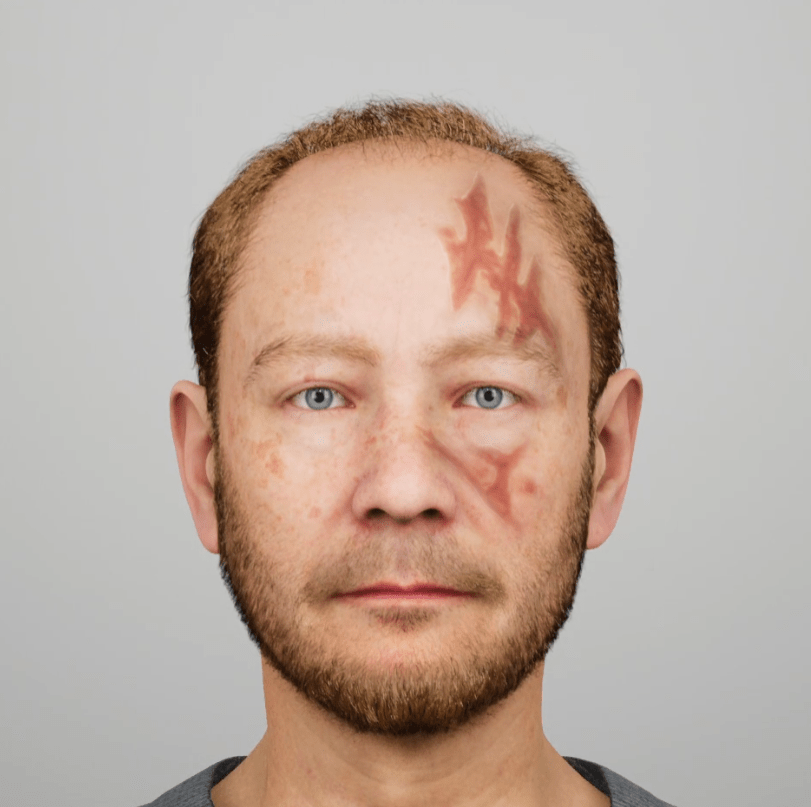
- Customizable Avatars – Users could customize their 3D avatars to enhance their immersion and participation through a sense of self-expression
- Instructor Tools – Use tools like presentations, shared documents, screen sharing, surveys, and more to improve learner engagement
- Social Tools – Connect with other users through private and group text chat, buddy lists, Voice-Over-IP (VOIP), and avatar emote animations
- Browser-Based – The 3D Virtual World ran directly within the browser without the need for any plugin or installation
The 24/7 availability of the VA-VMC enabled Veterans to connect when they otherwise might not be able. Many Veterans in rural areas live hours away from the nearest VA Medical Center or clinic.




01 / 07
Past performance · R&D · Soft skills
Virtual Empathy Soft-Skills Trainer (VESST)
Empathy Trainer Supporting Front-line Personnel
Technologies such as Virtual Reality (VR) and Immersive Training Environments (ITE) have long proven their effectiveness for training and therapy across many domains, including military, medicine, and aviation. This innovative, immersive technology may not typically be available or used to its full potential in supplying county-level front-line emergency workers training or mental health resources.
ECS addressed that by bringing over five years of development of multiple empathy trainer projects for various DoD and federal customers into a new product line, the Virtual Empathy Soft-Skills Trainer (VESST). VESST supported the development of a variety of soft-skills that front-line personnel must employ during challenging interactions or sensitive subject matter. These engaging lessons immersed the learner in intensive conversations set in realistic environments. The learner interacted with high-fidelity avatars that created a sense of realism by portraying nuanced and evocative responses. The avatars delivered immediate reactions to a learner’s choices, showing the consequences of bad decisions, and the benefits of using empathy, emotional intelligence, and interpersonal skills. The system provided After-Action Review and remediation upon completion of a scenario. This gave front-line personnel a safe space to navigate the challenges of identifying empathetic interactions, learn from their mistakes, and develop strategies for managing outcomes.
01 / 05
Past performance · Virtual simulation
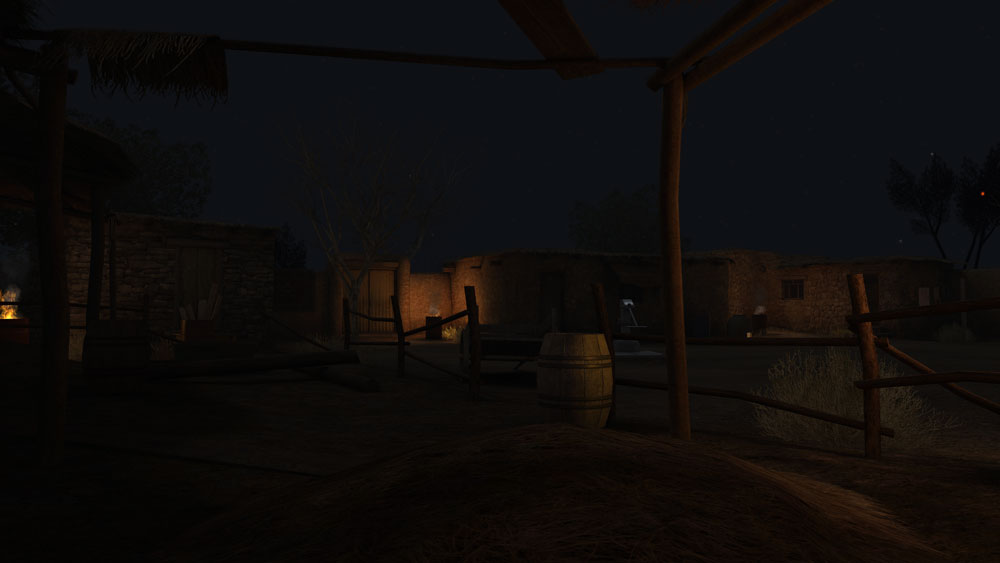
Virtual High School
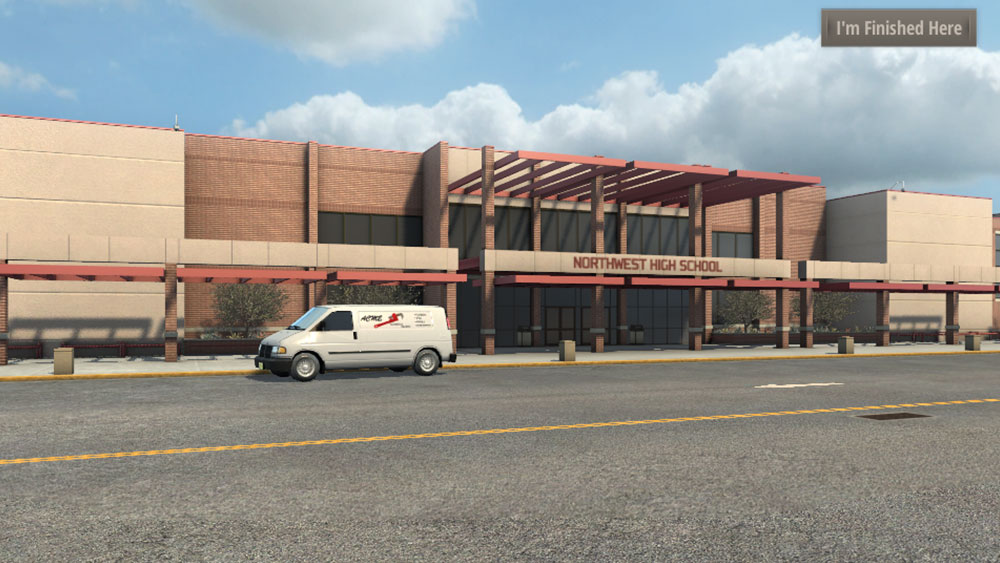
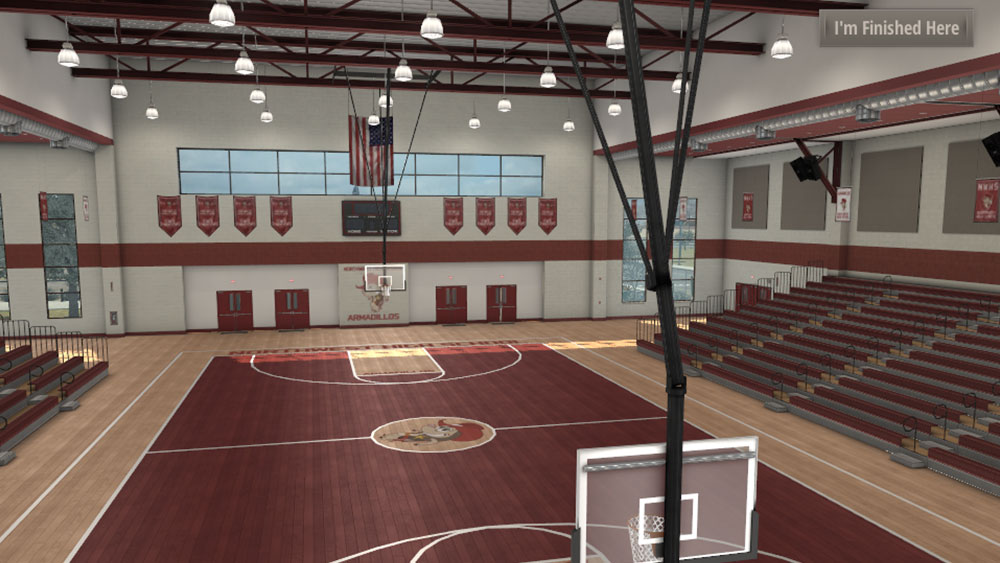
Developed for the U.S. Department of Homeland Security’s Automated Critical Asset Management System (ACAMS) training program, the Virtual High School provided a realistic, immersive environment where learners could assess potential vulnerabilities, evaluate risks, and practice critical infrastructure analysis. As part of a broader virtual field trip initiative, the environment enabled instructor-led exercises that delivered practical, repeatable training experiences while reducing the cost and logistical challenges associated with real-world site visits.
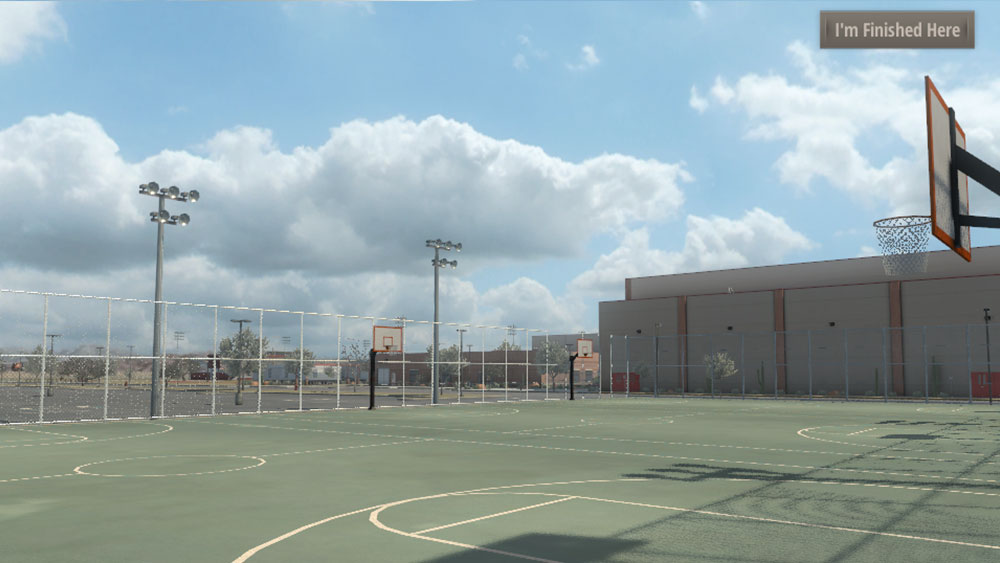
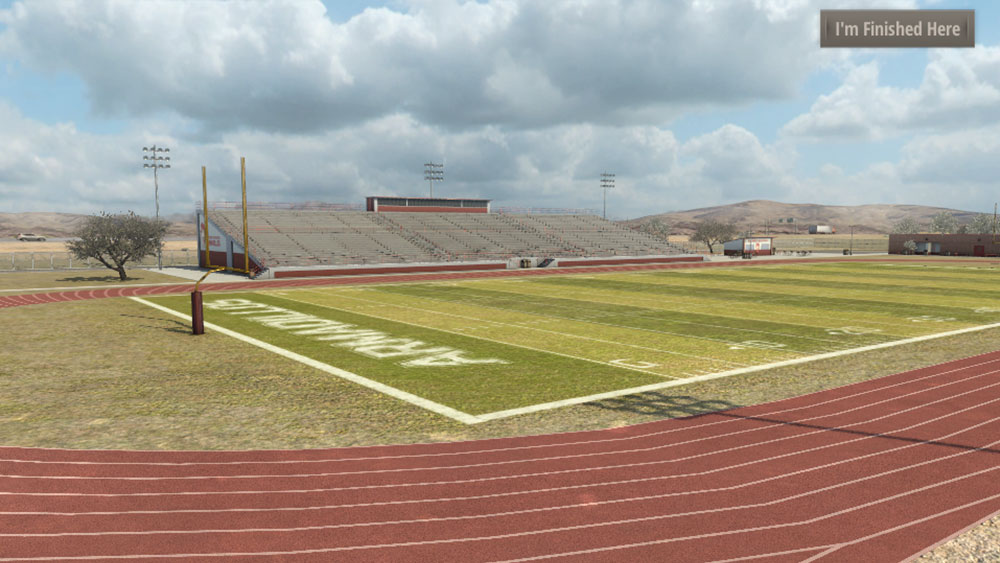
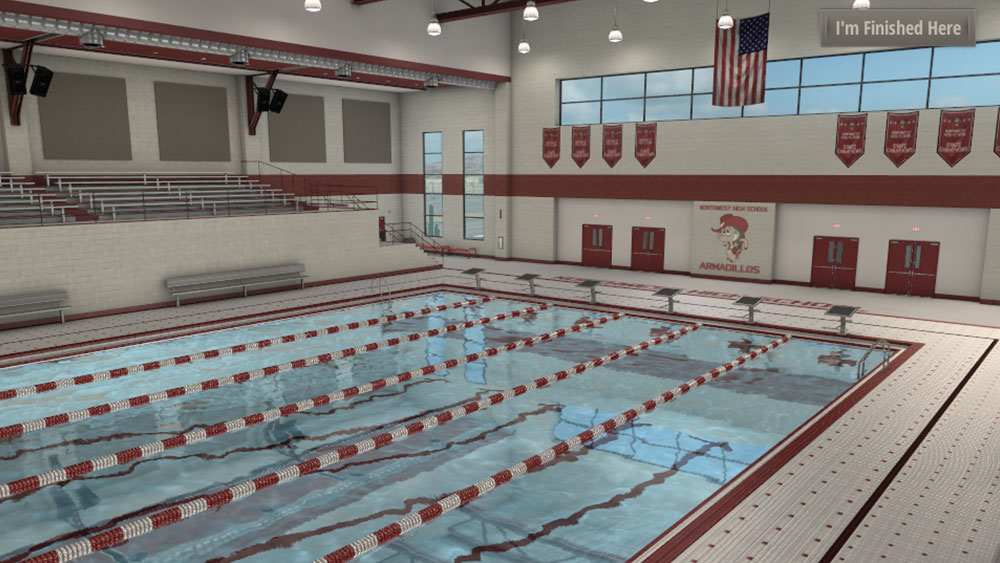
Northwest High School was a virtual representation of a large high school with characteristics typical of most large public or private schools and small colleges. Visitors could view a classroom, a science lab, the auditorium, the cafeteria, the gymnasium, the indoor swimming pool, the vocational skills shop, the day care center, the athletic stadium, and even several trailers used as temporary classrooms. They could also go behind the scenes to the large utility room.
The interior and exterior of Northwest High School were highly detailed, making the school an ideal setting in which to conduct engaging, immersive learning experiences. It was particularly appropriate for training staff and first responders to handle contingencies such as an active shooter, a bomb threat, the release of a hazardous material, and dangerous weather events.
Features
- Detailed interior and exterior enhance realism
- Entire campus and representative interior spaces accessible
- Suitable for individual or group learning activities
- Can be instrumented to simulate events and provide learning assessments
01 / 04
Past performance · Virtual simulation
Virtual Medical Simulation (vMedic)
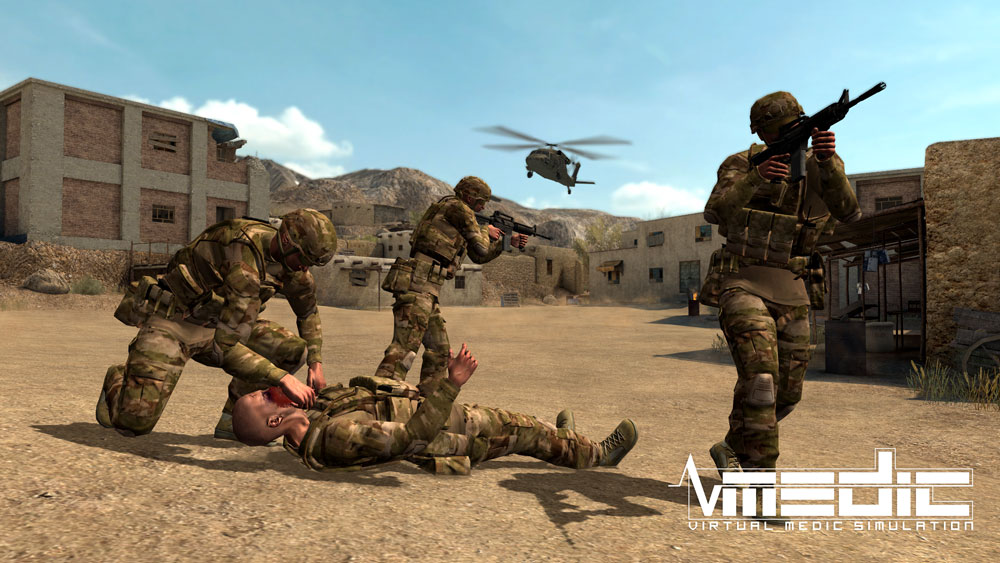
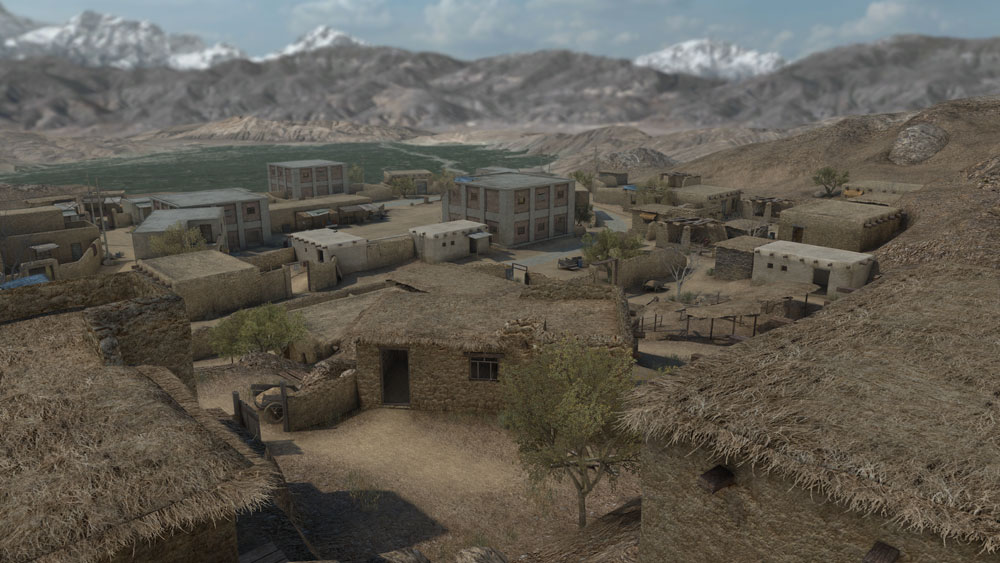
vMedic was a serious game platform developed to teach and reinforce the concepts of Tactical Combat Casualty Care. vMedic used game-engine based simulations and state-of-the-art instructional development strategies to support a student’s need to master a variety of competencies and to apply them in unique situations.
vMedic enabled single-player and multi-player vignettes where each user may select from a predetermined list of roles and avatars.
The different roles were able to collaborate with each other while treating the same casualty or while separately treating the injured.
Features
- Single- and multi-player
- Goal-oriented training exercises
- Ability to assess casualties
- Perform triage
- Provide initial treatment
- Prepare a casualty for evacuation
01 / 05
Past performance · Serious games · Virtual simulation
NATO Maritime Interdiction Operations (MIO)
Immersive team-based training for NATO maritime boarding and interdiction operations.
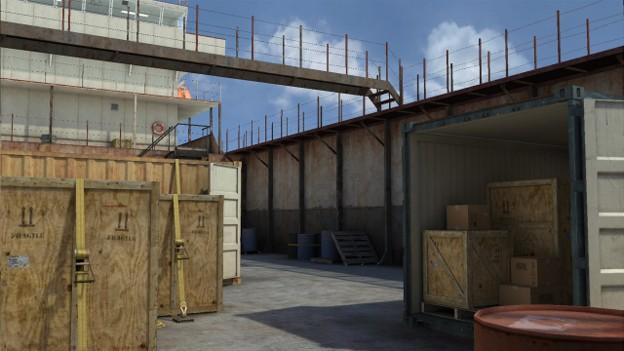
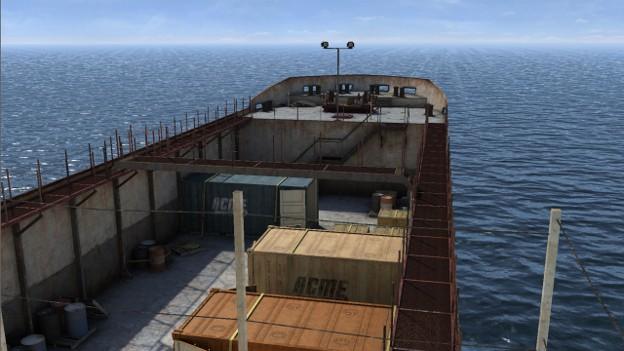
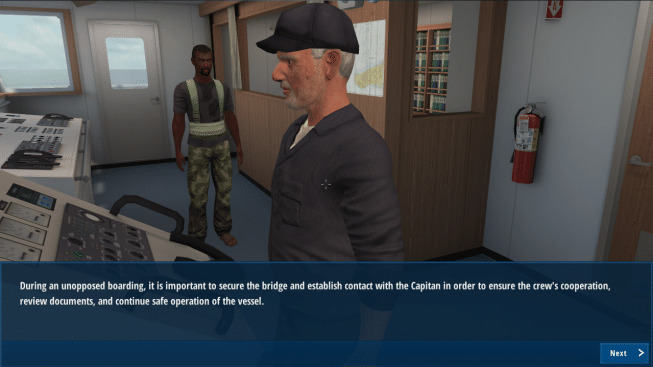
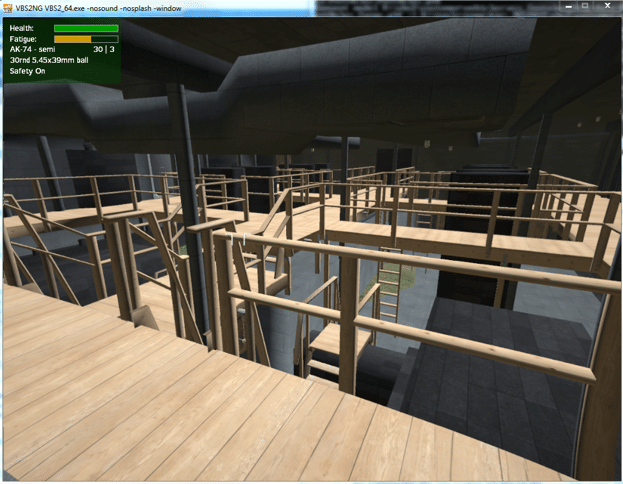
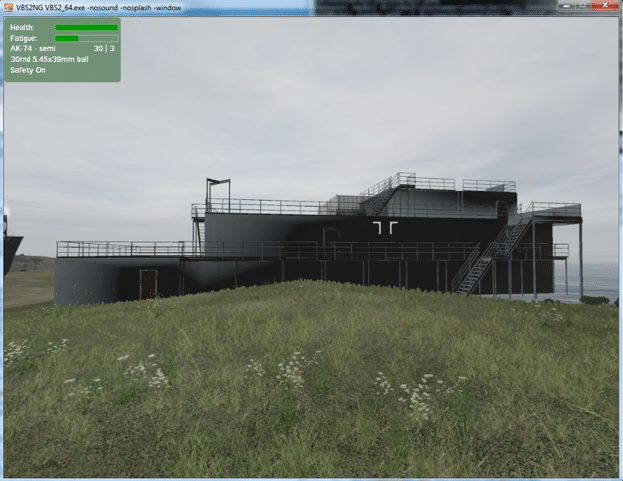
Developed for NATO Allied Command Transformation within the Nexus Virtual World platform, the Maritime Interdiction Operations (MIO) training experience explored the use of virtual worlds to enhance and extend the delivery of operational training for NATO personnel. The project supported mission preparation for maritime security operations, including Operation Active Endeavour in the Mediterranean and NATO’s anti-piracy efforts near the Horn of Africa.
The training combined instructor-led learning with immersive simulation. Following classroom instruction, participants entered a virtual operational environment where they conducted a team-based boarding and search mission aboard a suspect merchant vessel. Trainees practiced crew control procedures, personnel identification, vessel search techniques, and the detection of weapons, contraband, and improvised explosive device (IED) components while operating under mission-driven objectives.
Performance was tracked throughout the exercise, enabling learners to demonstrate mastery of critical tasks and providing a realistic, repeatable training experience prior to live exercises at the NATO Maritime Interdiction Operational Training Center (NMIOTC).
NATO-MIO also won the prestigious People’s Choice Award at the 2010 Serious Games Showcase & Challenge.
01 / 06
Past performance · Serious games · Virtual simulation
Ship On Land Virtual Environment (SOLVE)
A virtual training environment for maritime boarding, search, and seizure mission familiarization and sustainment training.
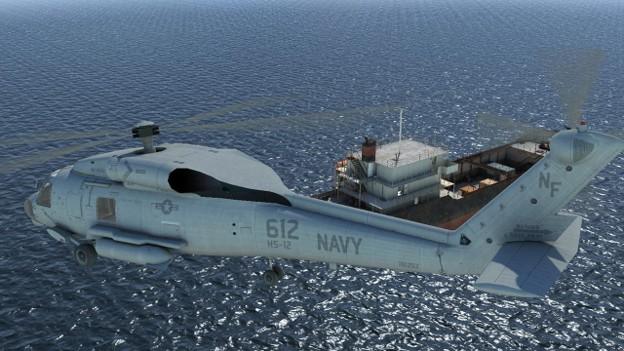
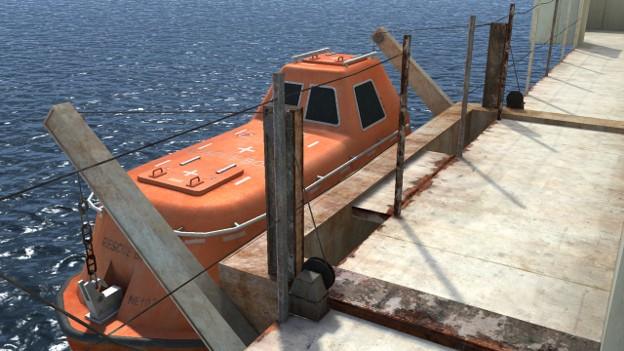
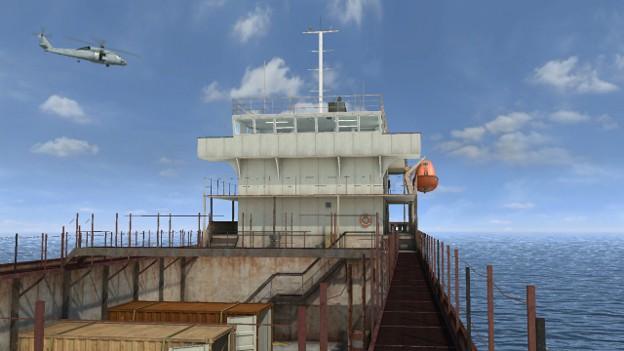
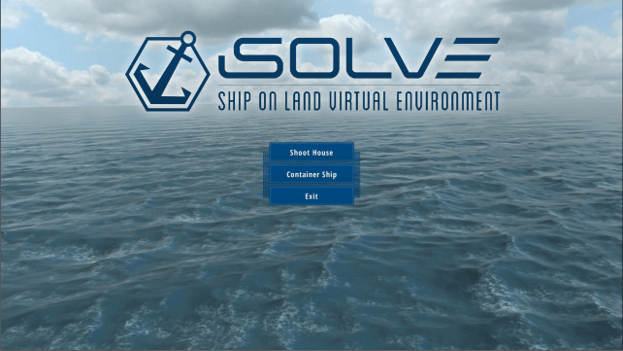
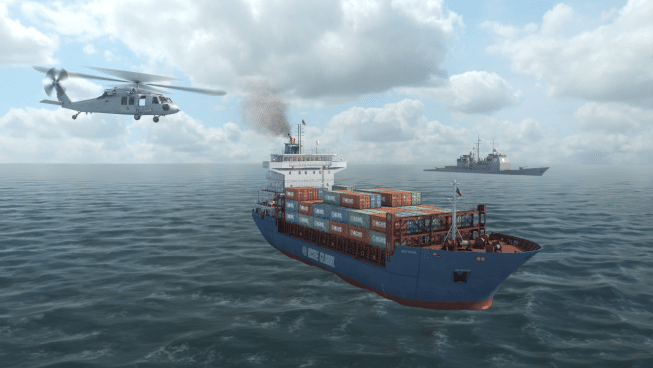
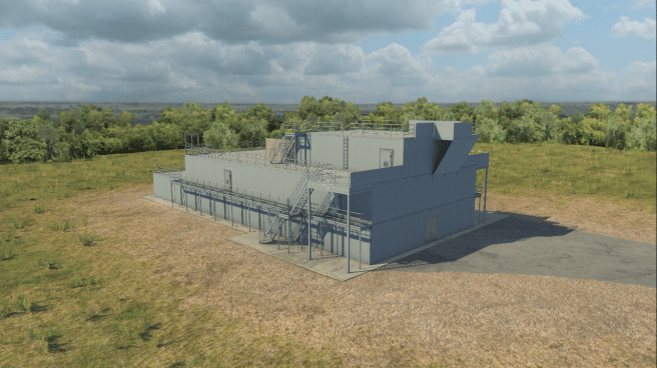
Developed for the U.S. Marine Corps, the Ship On Land Virtual Environment (SOLVE) provided a realistic virtual representation of both the Joint Maritime Training System (JMTS) Ship on Land trainer and a commercial container vessel. Created as a lightweight, portable serious game, the system enabled trainees to explore, rehearse, and visualize boarding operations in a safe and repeatable environment.
The simulation was designed to support site familiarization, instructor-led classroom activities, and sustainment training beyond the classroom. Users could navigate vessel interiors and exteriors from multiple perspectives while gaining familiarity with ship layouts, key operational areas, and potential points of interest prior to live training events.
SOLVE also supported Visit, Board, Search, and Seizure (VBSS) mission rehearsal by allowing learners to observe operations from the perspectives of raid team members, mission commanders, and helicopter-borne sniper/observer positions. The virtual environment enabled teams to visualize boarding procedures, room-clearing operations, overwatch activities, and mission coordination tasks while reinforcing critical decision-making and communication skills.
As a proof-of-concept and training prototype, the project demonstrated how game-based simulation could enhance maritime training readiness while extending access to training resources beyond dedicated facilities. The final environment was also ported to the VBS2 platform to support future training and integration opportunities.

01 / 05
Past performance · Virtual simulation
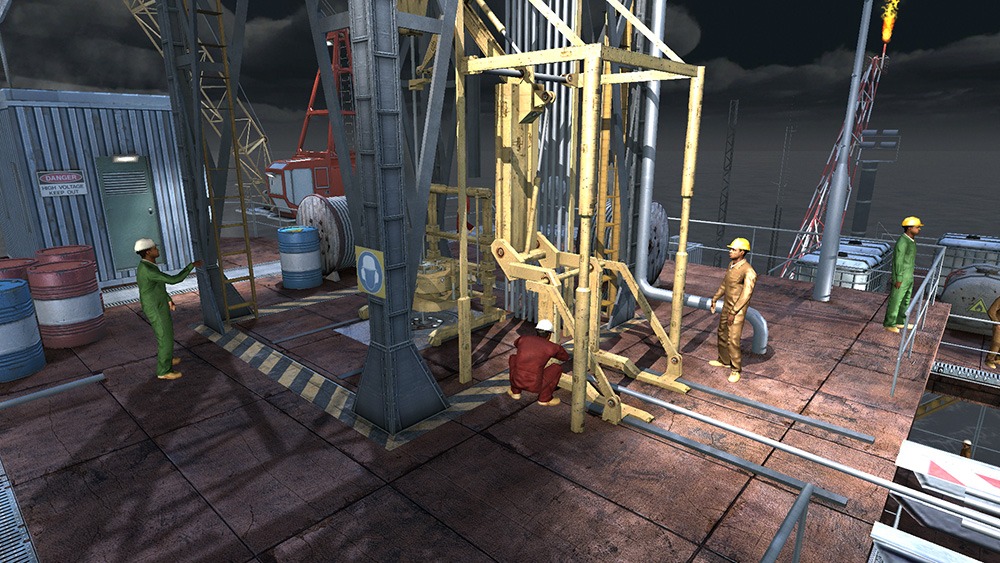
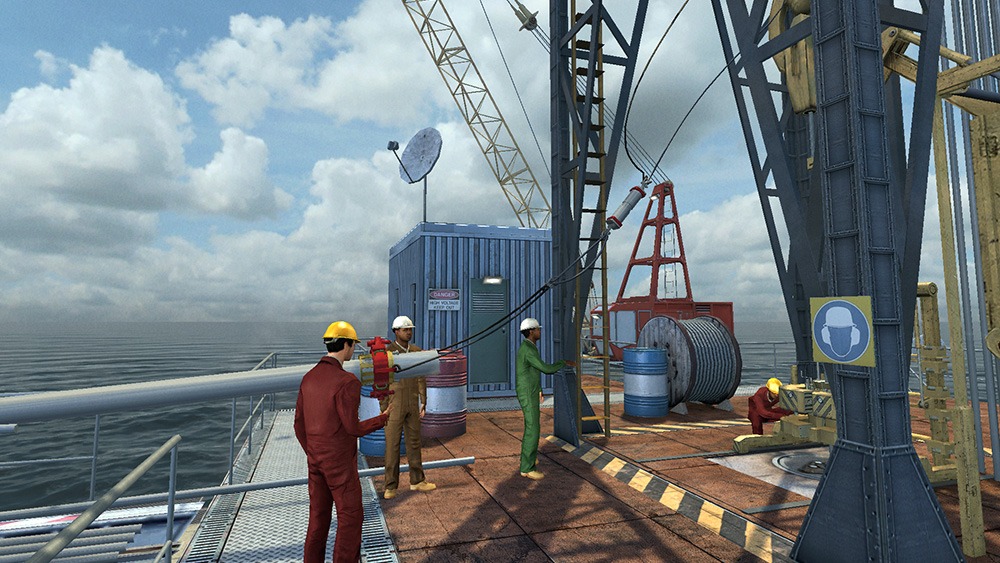
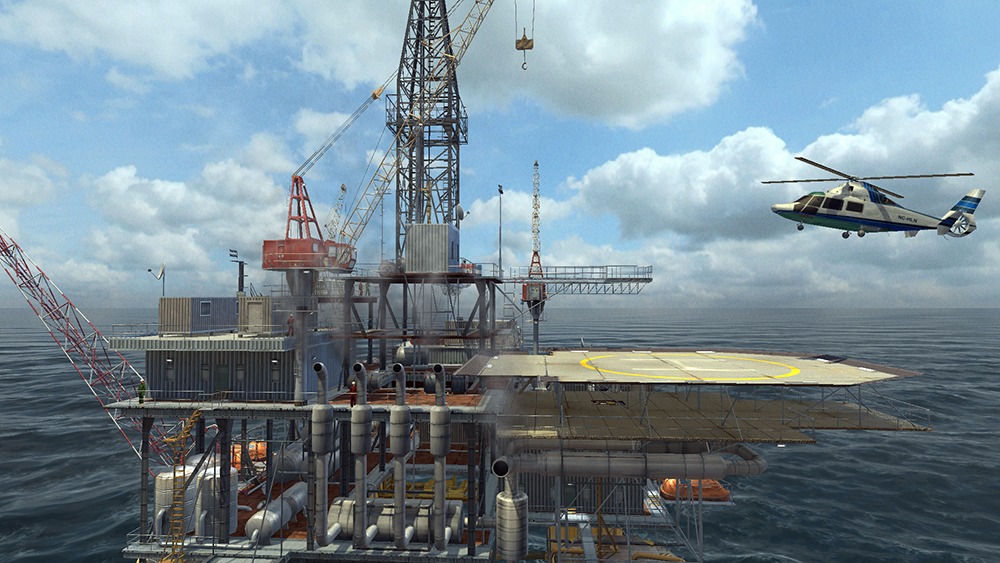
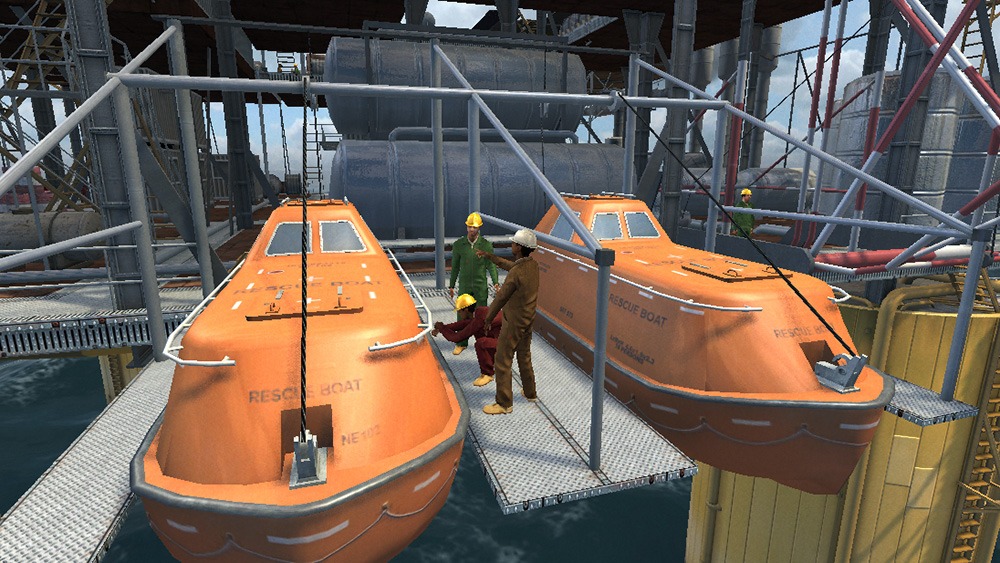
Virtual Oil Platform
The Oil & Gas Industry was facing the same workforce issues as many others – experienced workers were retiring faster than new employees could be brought up to speed to support the tremendous growth in the industry. Along with the retirements goes the knowledge of first hand skills on how to deal with all of the possible challenges that can occur on a rig or platform. This transition of the workforce is called the “Great Crew Change”.
These new employees have grown up in the digital era, and therefore, learn differently than previous generations. These “digital natives” are used to obtaining the knowledge, skills, and abilities essential to a successful workspace through a digital medium. That is where ECS came in, with its Virtual Oil Rig, or Platform. This robust Virtual World platform was used from Workforce Development, where rig familiarization and onboarding can occur, to competency-based learning for HSE, crisis response, maintenance, and procedural training. ECS’ Virtual Oil Rig/Platform could also augment existing classroom and OJT programs.
Features
- Practice a role by exercising with simulated players
- Work with live players to mitigate a simulated incident with up to 200 participants
- No software install required
- Real-time instructor support tools
- Create your own scenarios
01 / 05
Past performance · Virtual simulation
Virtual Reservoir
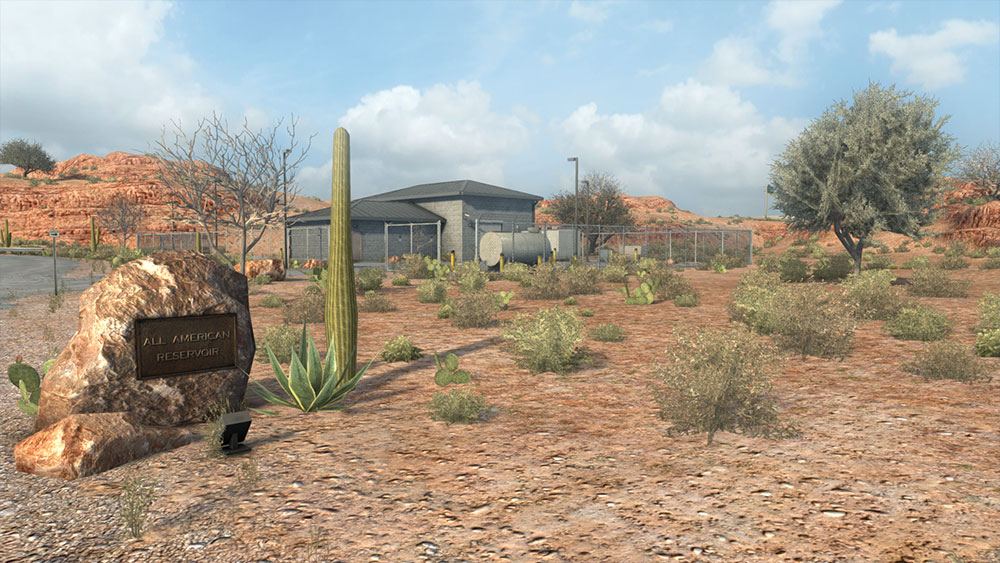
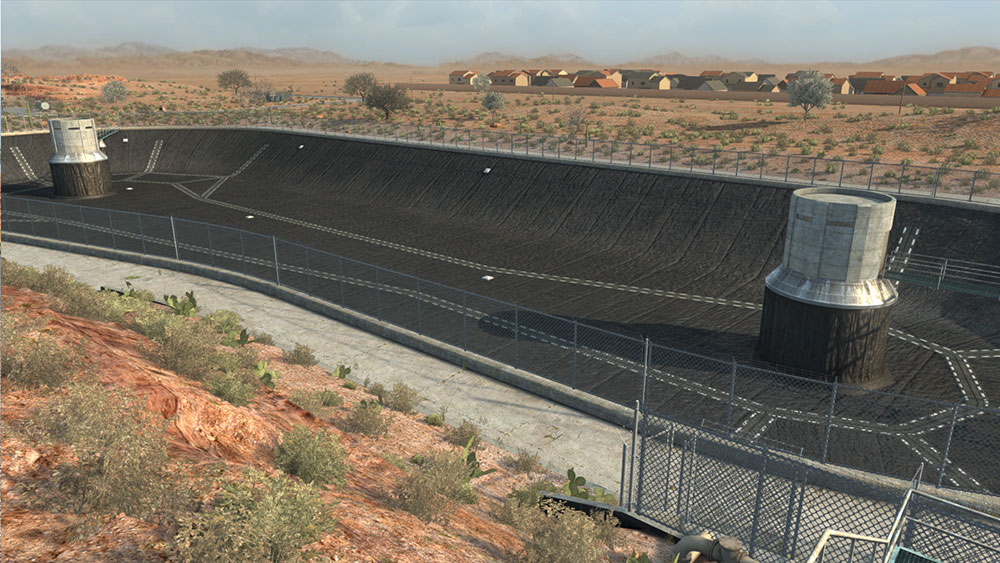
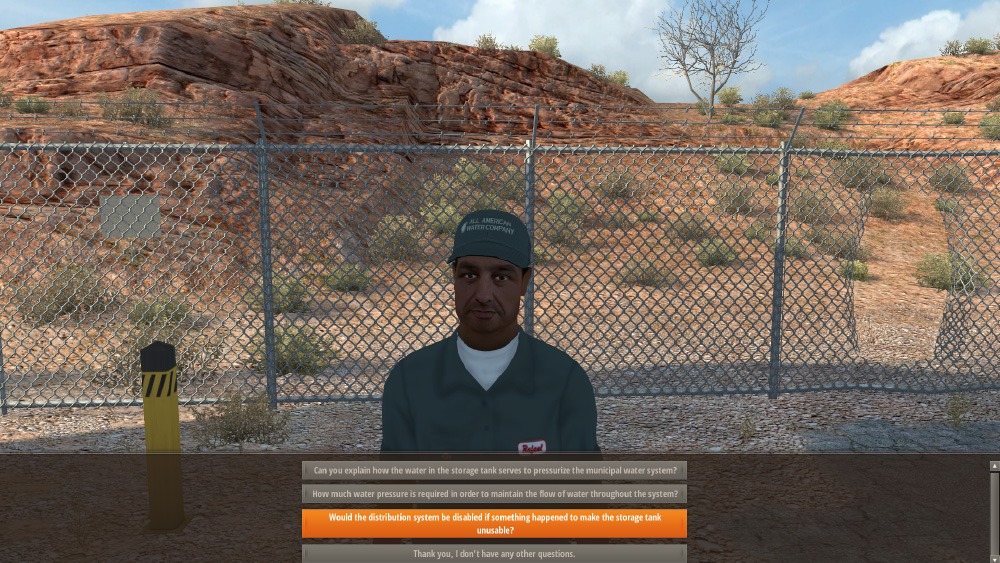
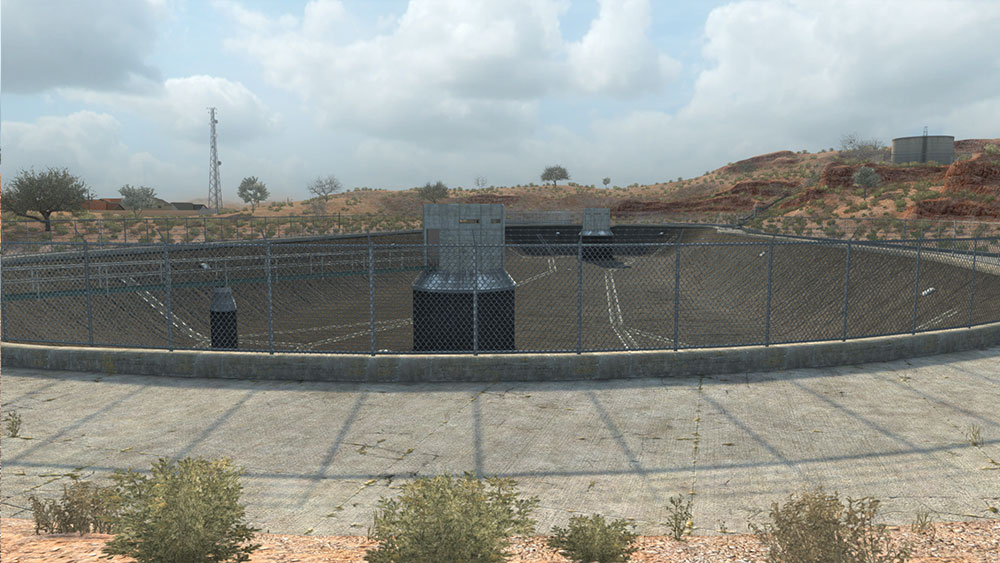
Developed for the U.S. Department of Homeland Security’s Automated Critical Asset Management System (ACAMS) training program, the Virtual Reservoir provided a realistic, immersive environment where learners could assess potential vulnerabilities, evaluate risks, and practice critical infrastructure analysis. As part of a broader virtual field trip initiative, the environment enabled instructor-led exercises that delivered practical, repeatable training experiences while reducing the cost and logistical challenges associated with real-world site visits.
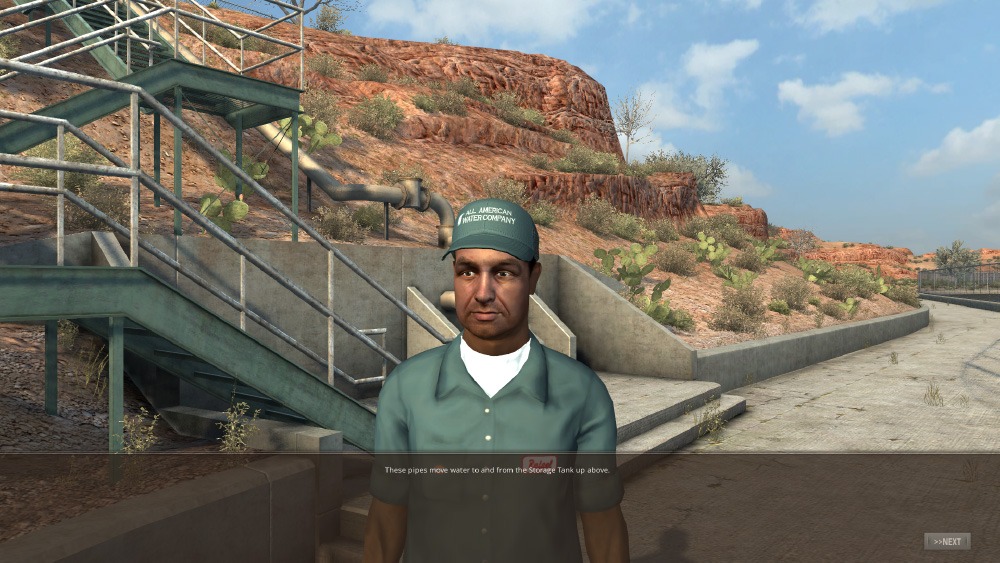
The All-American Reservoir replicated in the virtual world a reservoir facility that might support any small city or large suburban community. It had characteristics that could be generalized to represent those of any public or privately owned utility. Visitors could enter the Administration Building, the control center, the maintenance area, and the underground pumping station. They could also go to the reservoir basin, the large water tank, and the electrical power substation.
Exceptional attention to detail throughout made the All-American Reservoir an ideal setting in which to conduct engaging, immersive learning experiences. It was particularly appropriate for training staff about security, intrusion prevention and detection, emergency response, handling of hazardous materials, and coordination with first responders.
Features
- Entire facility, including all interior spaces, accessible
- Suitable for individual or group learning activities
- Can be instrumented to simulate events and provide learning assessments
Past performance · Virtual simulation
Virtual Staff Trainer
To improve accessibility and convenience of care for Veterans and to meet the growing demand for affordable health care services.
When clients needed to create customized scenarios that incorporate industry-specific standard operating procedures, they could use our Virtual Staff Trainer (VST).
Our VST platform was available virtually so teams could train individually or as a unit almost anywhere. With the ability to train working alongside artificial intelligence, collaborating with real team members, or as a part of a multi-agency response, VST supported up to 200 simultaneous participants at a time and allowed for real-time adaptation of the scenarios to reflect the user’s actions. It also included specialized player roles, and fully integrated mapping and data support by county, city, or state. VST assessed user performance and automatically provided an After-Action Review, allowing managers to build a comprehensive profile of resources and capabilities.
01 / 05
Past performance · Virtual simulation
Weatherford Tubular Visualization
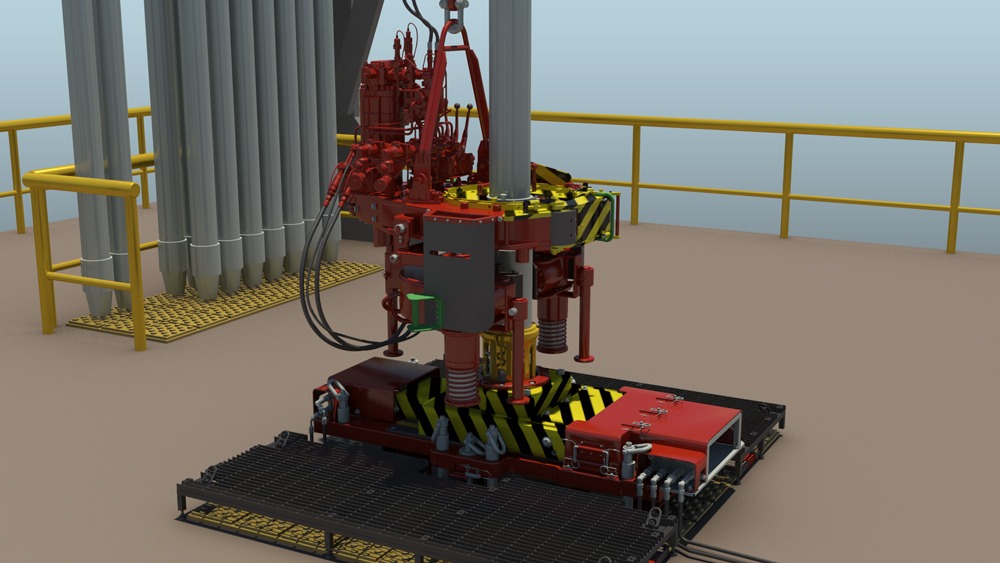
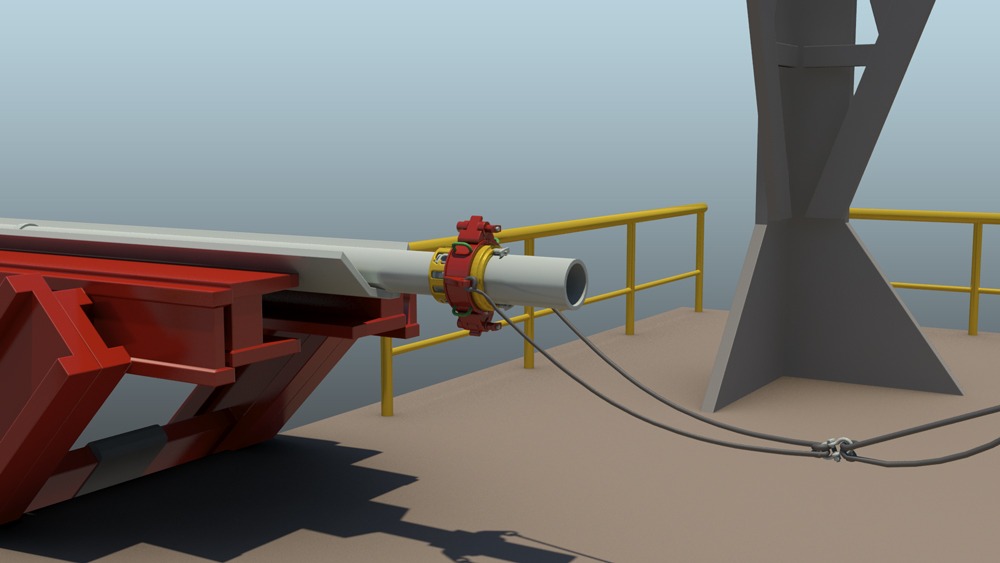
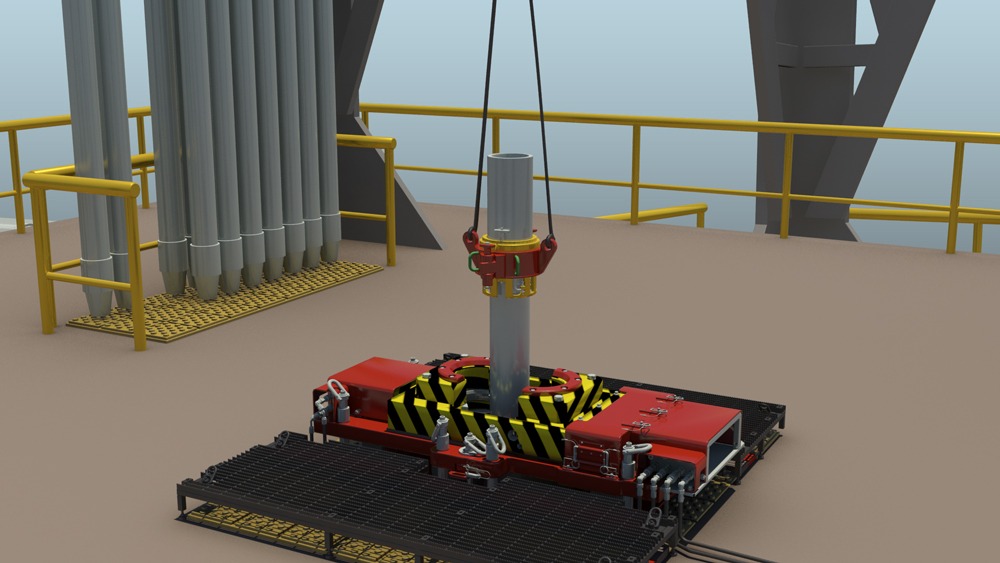
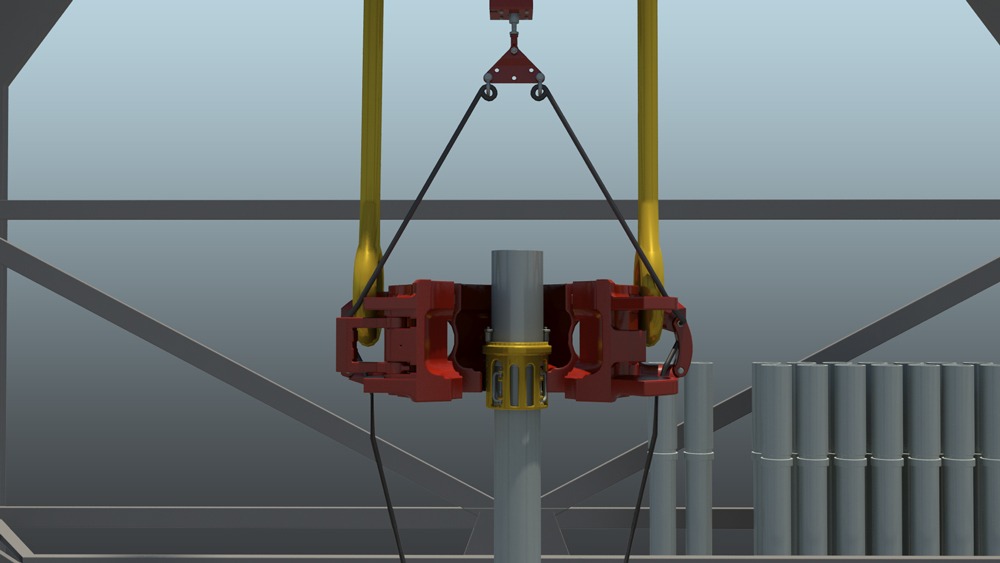
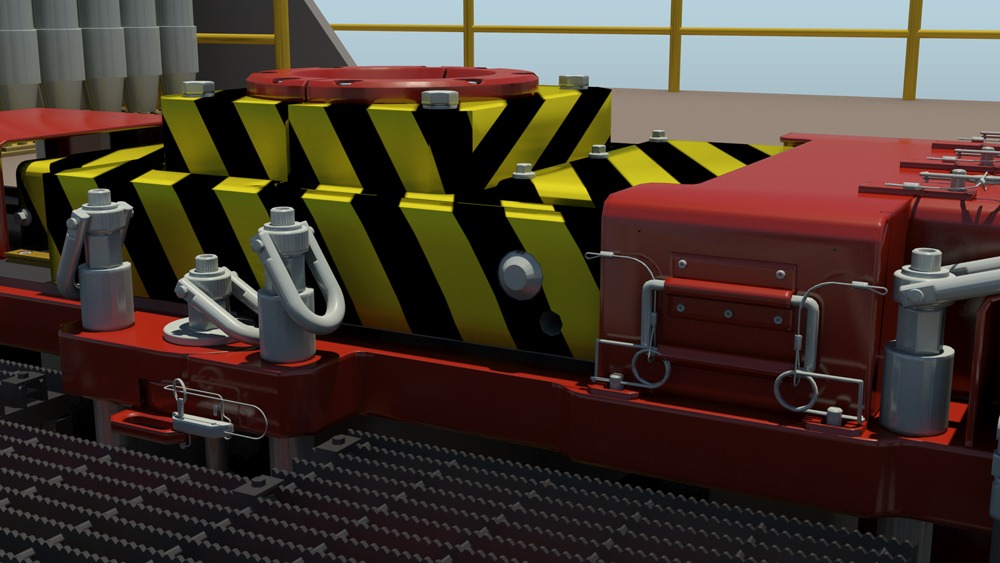
The Weatherford Tubular organization partnered with ECS to develop a 3D visualization of some new technology that they developed for one of their Exploration and Production (E&P) clients. The purpose of the animation was to serve as a safety tool for international oil rig personnel, in addition to informing client leadership of the capabilities of Weatherford’s technology.
After receiving pictures and CAD documents from Weatherford, ECS worked closely with their Subject Matter Experts to determine those tasks that needed to be highlighted with increased fidelity in the simulation. Through spiral development, ECS worked closely with Weatherford to ensure that the end product met, or exceeded all expectations.